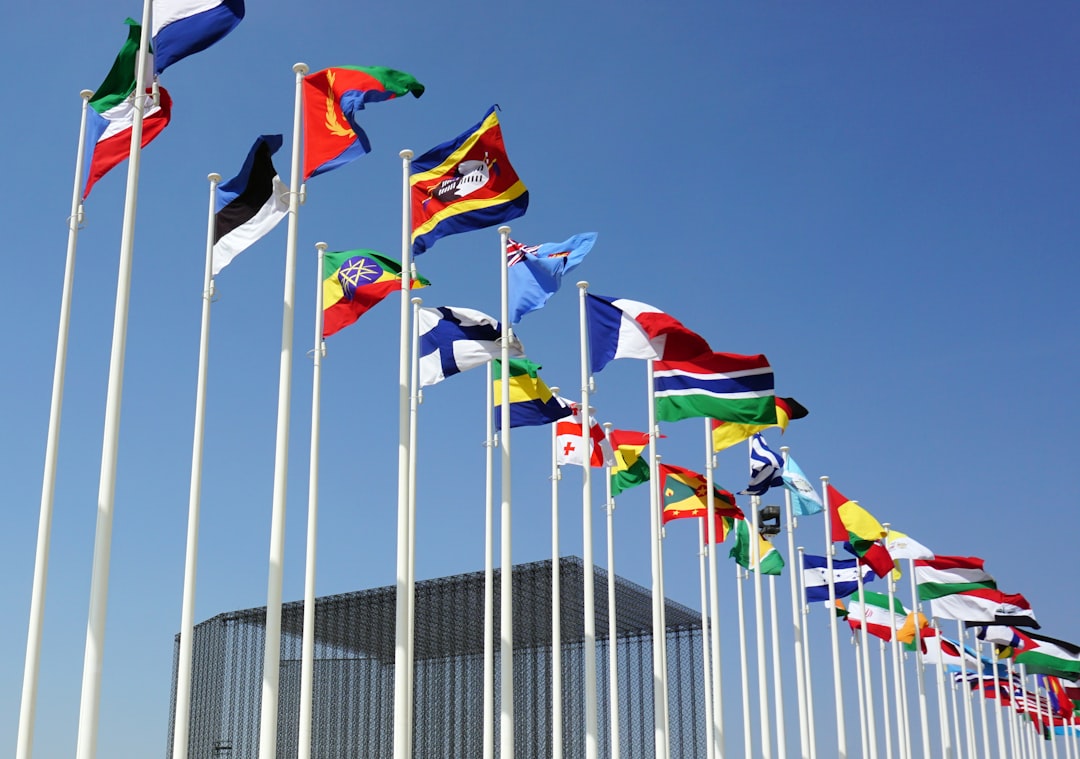
The arithmetic of the United Nations General Assembly on Thursday was simple enough. A resolution needs a two-thirds majority of those voting, excluding abstentions, to pass. The question was whether the United States could hold together a coalition of 140 or 141 countries—the number that backed earlier resolutions condemning Russia’s invasion of Ukraine—to suspend Moscow from the Human Rights Council.
That earlier vote count is the key number in this story. In March, 140 nations voted for a resolution blaming Russia for the humanitarian crisis. A second resolution, demanding a ceasefire, got 141 votes. Those are large majorities. But they are not automatic guarantees. A suspension vote is a different, more punitive thing. It directly kicks a permanent member of the Security Council out of a major UN body. Some countries that condemned the invasion may balk at that step.
The trigger for this vote was specific: the discovery of hundreds of bodies in towns near Kyiv. That is the event that turned diplomatic pressure into a concrete action. Before those bodies were found, Western nations had condemned Russia’s invasion, passed resolutions, and imposed sanctions. After the bodies were found, the United States moved to suspend Russia from the council. The timeline is blunt. Bodies found. Vote called.
The Human Rights Council itself is a 47-member body based in Geneva. It has long been a target of US criticism. The report notes the US has been a vocal critic of the council’s membership, pointing out that countries with poor human rights records have sat on it. That history makes the US push to suspend Russia from this particular council somewhat layered. The US is using a body it has often attacked to punish a country it is now confronting.
Russia has denied any wrongdoing in Ukraine. Its allies, including China, opposed the earlier resolutions. Those votes were lopsided—140 against a handful of opponents—but they show the line of division. The same line is expected to hold on the suspension question. China’s response has been more muted than Russia’s, but it voted against the March resolutions. It is likely to oppose suspension.
The vote itself is a test of the UN’s ability to act against one of its own powerful members. The General Assembly has no veto. Unlike the Security Council, where Russia could block any action, the Assembly operates on majority rule. That is why the US chose this forum. It is the only UN body where Russia cannot simply kill a measure.
But a two-thirds majority is a high bar. Some countries may abstain, which does not count as a vote for or against. Abstentions lower the total number of votes cast, making it easier to reach the two-thirds threshold. But they also signal a lack of full commitment. The US needs not just votes, but active votes.
The resolution to suspend Russia was initiated by the United States. That is a direct challenge. The US is putting its own diplomatic weight behind the measure. If it passes, Russia will be removed from the council, at least temporarily. If it fails, the US will have suffered a public setback at the UN, and Russia will have gained a propaganda victory.
The numbers from March are not a guarantee. They are a baseline. The question now is whether the discovery of those hundreds of bodies in Kyiv’s suburbs has shifted enough votes to turn 140 into the 97 or so needed for a two-thirds majority. That is the arithmetic of Thursday’s vote.