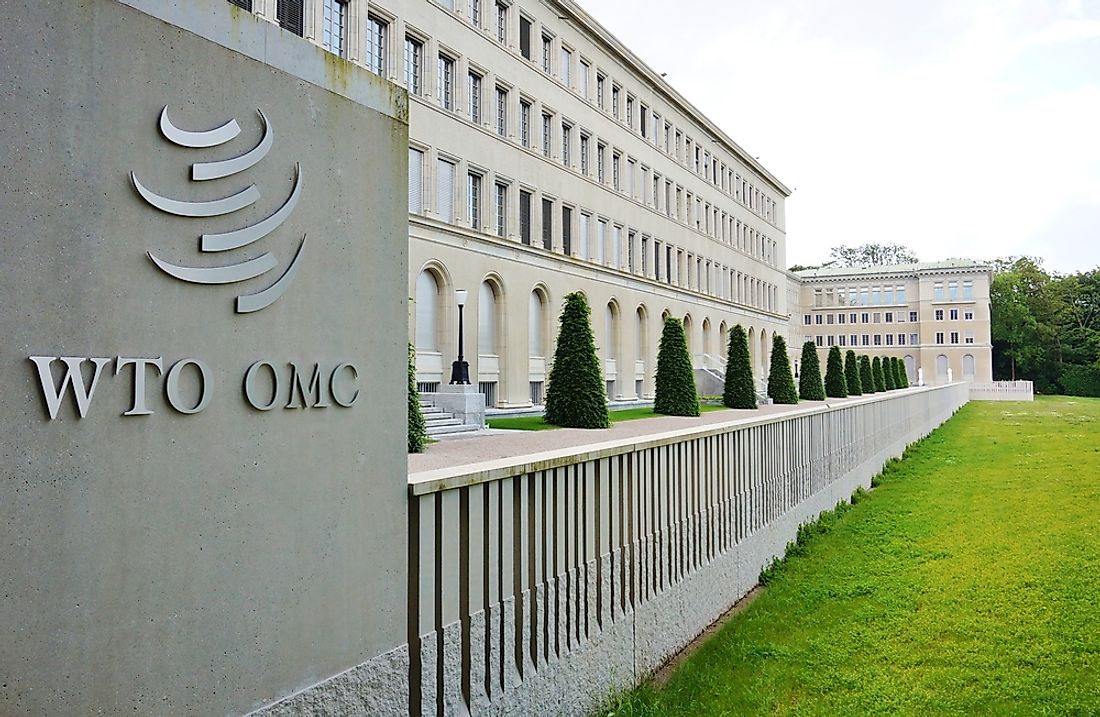
Economic specialists are offering a technical reading of the global outlook, with the head of the World Trade Organization (WTO) warning that several major economies face a “real” risk of entering a recession. Speaking in Nusa Dua, Indonesia, WTO Director-General Ngozi Okonjo-Iweala cited the crisis in Ukraine, rising food and gasoline prices, and surging inflation as factors contributing to a cloudy view of the world economy.
Analysts Focus on Recession Risks and Trade Slowdown
According to Okonjo-Iweala, the recession risk is not universal but concentrated in key countries. “It may not happen everywhere, but several key countries risk sliding into recession,” she said. The WTO chief noted that a downturn in wealthy nations would have a disproportionate impact on developing nations and emerging markets, which depend on exports to those larger economies for their own recovery.
The WTO’s own projections underscore the slowdown. While the organization had initially predicted a 3.5% increase in global trade for this year, its latest forecast for 2023 global trade growth stands at just 1.0%. This sharp downgrade reflects the multiple headwinds facing the global trading system.
Policy Responses: Food Export Restrictions and Trade Reform
In response to rising food export restrictions that harm developing nations by raising food prices, Okonjo-Iweala has urged G20 leaders to gradually lift these restrictions. She argued that such measures, while intended to protect domestic supplies, ultimately exacerbate global food insecurity and price volatility for poorer countries.
On the institutional front, the WTO’s dispute settlement system has been paralyzed since 2019, when the administration of former U.S. President Donald Trump blocked the appointment of judges for an appeals body that arbitrates international trade disputes. Okonjo-Iweala expressed her “very hopeful” optimism for a breakthrough on this issue. She noted that the trade ministers of the G7 advanced economies agreed in a meeting in September to work toward having a functioning WTO dispute settlement system by 2024. “The Americans are consulting actively with other members at an informal level,” she said, adding that the increased U.S. engagement will help and speed up the progress on reform from 2023.
U.S.-China Dialogue as a Potential Catalyst
On the fringes of the G20 summit, President Joe Biden and Chinese President Xi Jinping met to repair their poor bilateral relations, one of the many concerns weighing on the prospects for a global recovery. Okonjo-Iweala welcomed the dialogue. “It’s always beneficial when the two largest economies in the world talk to one another, as was observed at the US-China summit,” she said. “Certainly with respect to trade, it’s very helpful.” The WTO head expressed hope that the resumption of U.S.-China leaders’ dialogue, including WTO reform talks scheduled for 2023, could represent a breakthrough in resolving issues that have hampered global trade governance.
Looking ahead, analysts will be watching for concrete outcomes from the G20 commitments on food export restrictions and the U.S.-China engagement. The key question is whether the political will expressed at the summit can translate into tangible progress on WTO dispute settlement reform and a relaxation of trade barriers before the projected 1.0% growth figure for 2023 materializes. The trajectory of inflation, energy prices, and the conflict in Ukraine will remain central factors in determining whether the recession risk identified by the WTO chief becomes a reality for the world’s largest economies.