Navigating Estate Administration and Probate After a Loss
Families in England and Wales must follow specific legal steps during estate administration, including probate, to manage a deceased relative’s estate properly. Understanding how these procedures function helps relatives manage personal affairs during a challenging time.
The Legal Foundation of Probate and Court Jurisdiction
According to Wikipedia, probate is the judicial process in common law jurisdictions where a will is validated in court or the estate is settled according to intestacy laws. The granting of probate is the first step in administering the estate of a deceased person. A probate court decides the legal validity of a testator’s will and grants its approval to the executor. Probate courts in England and Wales have jurisdiction over estates, wills, trusts, and other sensitive matters, according to East Village Magazine.
During this judicial process, a will may be contested concurrently by interested parties. The probated will becomes a legal instrument that the executor can enforce in law courts if necessary. This system ensures that the true last testament of the deceased is formally recognized and executed under the rule of law.
Roles of Executors and Administrators in Estate Management
An executor is a person appointed by a will to act on behalf of the estate of the will-maker, according to Wikipedia. The appointment only becomes effective after the death of the testator. If a named individual wishes to decline the position, they can renounce the role and must quickly notify the probate court. Executors step into the shoes of the deceased to wind up personal affairs, which may include filing lawsuits, making claims for wrongful death, paying off creditors, or selling assets.
In England and Wales, a professional executor may be named in the will, such as a solicitor or a financial institution. Wikipedia notes that professional executors may charge the estate for their services, which can add costs for families. Families can arrange for a professional executor to renounce their role or reserve their power so that remaining executors carry out duties without them. When a person dies without a will, the legal personal representative is known as the administrator, who is commonly the closest relative unless they renounce that right.
Frameworks and Timelines for Families
Managing the legal steps of estate administration requires careful organization following a relative’s death. This structured approach assists relatives in addressing the various duties required by the jurisdiction.
The core responsibilities of estate management involve resolving all claims and distributing property under a will or intestacy laws. Executors must pay off creditors, sell assets not particularly gifted in the will, and distribute the estate according to the will. By understanding these legal steps and utilizing available guidance frameworks, families can navigate estate administration with clarity.
Contesting a Will During Probate
According to Wikipedia, a will may be contested concurrently through the probate process. This means that while the court is validating the will and granting probate to the executor, interested parties have the opportunity to challenge the document’s legal validity. The probate court must decide the legal validity of the testator’s will before granting its approval to the executor.
If a will is successfully contested, the court may invalidate the document or specific provisions within it. In such cases, the estate would then be settled according to the laws of intestacy that apply in the jurisdiction where the deceased resided at the time of their death, as if no valid will existed. The probated will only becomes a legal instrument that the executor can enforce in law courts after the court has resolved any challenges and formally accepted the will as the true last testament of the deceased.
Renunciation, Reservation, and Appointment of Professional Executors and Administrators
When an individual named in a will decides not to act as executor, the Wikipedia entry explains that they “can decline or renounce the position, and if so should quickly notify the probate court accordingly.” This prompt notification is required so the court can appoint an alternative personal representative without delaying the probate process.
In England and Wales, a “professional executor” such as a solicitor, bank or other financial institution may be named in the will. According to the same source, professional executors “will charge the estate for carrying out duties related to the administration of the estate,” which can increase the costs borne by the family. The source also notes two options for dealing with a professional executor: they may “renounce their role, meaning they will have no part in dealing with the estate,” or they may “reserve their power, which means the remaining executors will carry out the related duties, but without the involvement of the professional executor.”
If the deceased left no will, Wikipedia states that the legal personal representative is known as the “administrator,” “commonly the closest relative.” The administrator, like an executor, must also “renounce their right” if they are unwilling or unable to act, allowing the court to appoint another qualified person to manage the estate.
Legal Validation of Wills Through the Probate Process
According to Wikipedia, probate serves as the judicial process through which a will is formally validated in a court of law. This validation confirms the document as the true last testament of the deceased, making it a legally enforceable instrument. Without this court-sanctioned approval, the will cannot be used to guide the distribution of assets or the settlement of the estate.
The role of the probate court is to determine the legal validity of the testator’s will before granting approval to the executor. As noted in the source material, “A probate court decides the legal validity of a testator’s (deceased person’s) will and grants its approval, also known as granting probate, to the executor.” Only after this legal validation can the executor gain the authority to act on behalf of the estate, including the power to dispose of assets according to the will’s terms.
This formal recognition through probate ensures that the deceased’s final wishes are upheld under the rule of law, providing clarity and legitimacy to the entire estate administration process. The probated will then becomes a legal instrument that may be enforced by the executor in the law courts if necessary, safeguarding the rights of beneficiaries and protecting the integrity of the testator’s intentions.
Sources
- Probate
- Meet the Candidates: Genesee County Probate Judge – East Village Magazine
- Georgia’s Ballot Has Three Constitutional Amendments You Should Know About
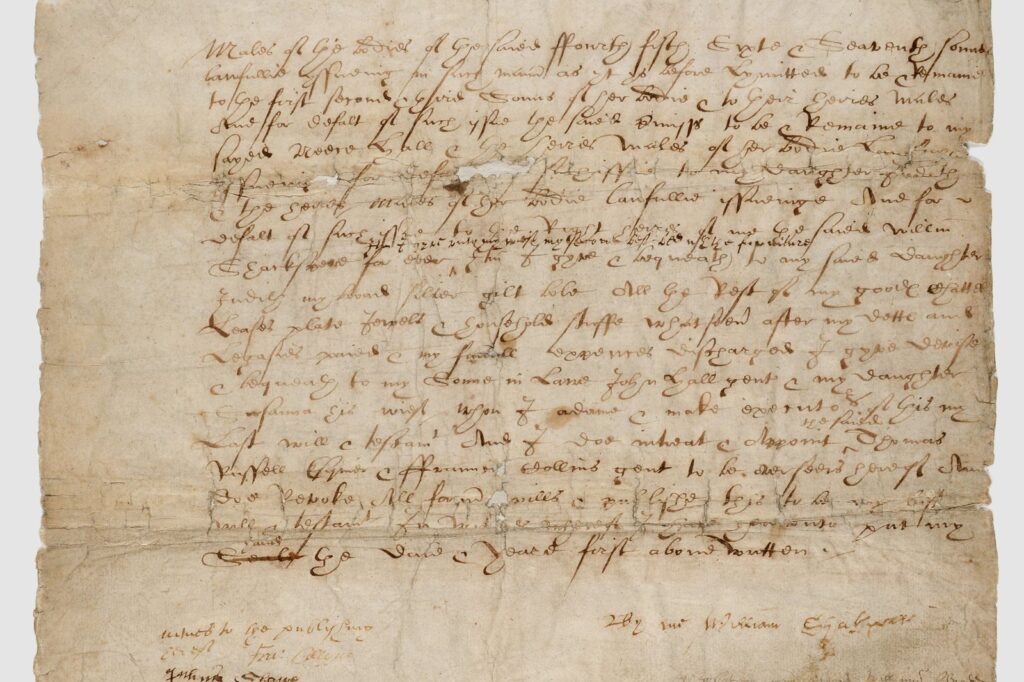
Photo: William Shakespeare and unknown scribe (Public domain)