
For many Vermonters, the approach of winter brings a familiar anxiety — not just about snow and ice, but about the cost of keeping the heat on. This year, that worry feels sharper. Fuel prices have climbed, and households across the state are bracing for higher bills.
In response, Button Up Vermont has returned with a clear message: preparation now can mean relief later. The campaign, which began on October first, is not a one-time alert but a sustained effort to reach homeowners through October with practical tools and support.
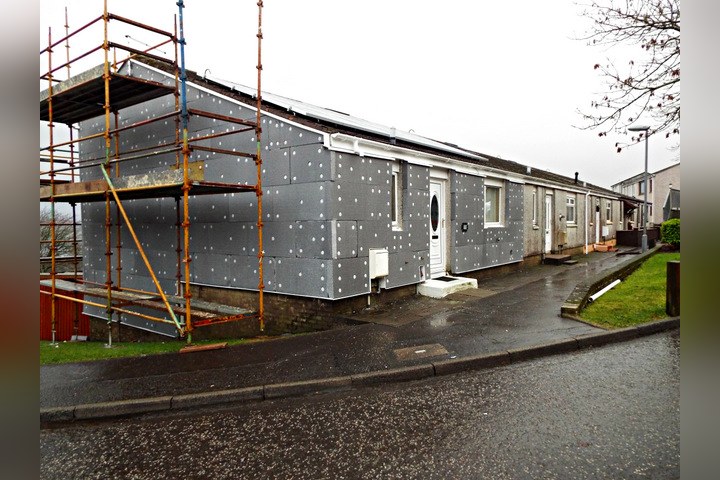
At its heart, the initiative connects residents with contractors from the Efficiency Excellence Network. These professionals specialize in weatherization — a range of upgrades that go beyond simply adding insulation. They seal air leaks, improve ventilation, manage moisture, and tune heating systems to run more efficiently.
The goal is not only to cut energy use but to create homes that feel steadier, quieter, and healthier inside, especially during the long months when windows stay shut and furnaces run constantly. For those who prefer to take on projects themselves, the state offers a tangible incentive: a cash rebate of one hundred dollars for DIY weatherization work.
This is not a loan or a tax credit — it is direct money returned after completing eligible improvements such as sealing gaps around doors and windows, adding attic insulation, or installing weatherstripping. The amount is fixed, but the impact can grow depending on what homeowners choose to do. For homeowners who hire professionals, the benefits extend beyond immediate comfort.
Comprehensive weatherization can reduce drafts that make rooms feel chilly even when the thermostat is high. It can improve indoor air quality by controlling sources of moisture and ensuring proper ventilation — factors that matter for respiratory health, particularly for children and older adults. It can also help heating systems last longer by reducing the strain caused by trying to overcome heat loss through poorly sealed envelopes.
The campaign emphasizes timing. Contractors’ books tend to fill quickly once cold weather sets in, so October is presented as the ideal window to schedule assessments and begin work.
Waiting until November or December may mean longer waits or missed opportunities to lock in current rebate levels before seasonal demand drives up contractor availability — and potentially, costs. Officials estimate that the financial return on these upgrades can be substantial over time. For homes heated with oil, the average annual savings after comprehensive weatherization exceeds three hundred and eighty dollars.
For propane-heated homes, the average annual savings is more than three hundred and fifty dollars. These figures are based on today’s fuel prices and reflect reduced consumption, not just lower rates.
Actual savings will vary depending on home size, current efficiency, and household habits, but the state presents them as a realistic benchmark for what is achievable. Looking ahead, the success of Button Up Vermont will depend on reach and participation. The webinars and October events are designed to answer questions, dispel myths about cost and complexity, and show real examples of what weatherization looks like in different home types — from historic farmhouses to modern ranch styles.
As the heating season deepens, the true measure will be how many Vermonters feel not just warmer, but less burdened by the cost of staying that way.




