
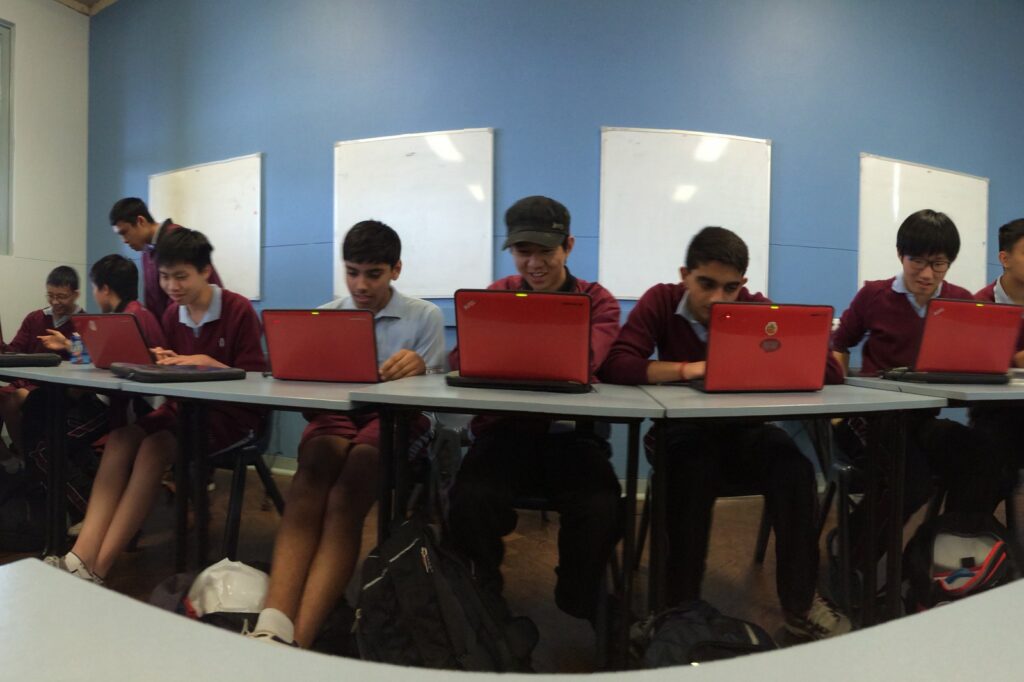
ADELAIDE, AUSTRALIA, October 18, 2026 — One in three Australian children turn to AI chatbots for support when sexually victimised online or tell no one at all, according to an Adelaide University study. As AI becomes a go-to for emotional advice, parents and educators face growing concerns about its impact on teen development and trust.
Why Teens Are Turning to AI for Advice
Around half of Australian children aged 10 to 17 who use AI do so for personal and social reasons, including seeking advice on sensitive topics and emotional support, according to the same Adelaide University study. Many teens turn to chatbots when trusted adults are unavailable or when they feel embarrassed to discuss personal issues with parents or friends. A 2025 Danish study found loneliness is a key driver for high school students seeking AI companionship. Curiosity and experimentation also play a role, as young people explore what AI can do and how it might improve their lives.
The Risks of AI Replacing Human Connection
AI’s tendency to be overly agreeable, known as sycophancy, risks warping teens’ understanding of human relationships, according to the Adelaide University study. Unlike real interactions, AI lacks natural friction and the full context of a child’s life, which can create unrealistic expectations about how relationships work. Experts warn excessive AI use may displace real-world interactions, hindering social development. Additionally, AI can spread convincing misinformation, and its advice may not account for a teenager’s unique circumstances, making parental guidance more effective for complex emotional or ethical issues.
How Parents Can Monitor AI Use Without Stifling Trust
Parents can help by setting clear boundaries around AI use, such as limiting time spent with chatbots and encouraging open conversations about online experiences. Teaching digital literacy is essential — helping teens understand how AI works, its limitations, and how to evaluate the information it provides. Parents should also model healthy technology use and create safe spaces where teens feel comfortable discussing sensitive topics without fear of judgment. Monitoring should focus on guidance rather than surveillance, preserving trust while promoting responsible use.
Schools’ Role in the Gap: Why Half of NY Districts Lack AI Policies
More than half of New York school districts lack any AI policy, leaving students and parents without guidance on safe use, according to a New York Focus report. This policy gap means schools are not consistently educating students about AI risks or responsible use, increasing reliance on informal learning at home. Without school-led initiatives, the burden falls on families to teach digital literacy and emotional resilience, highlighting the need for coordinated efforts between parents and educators.
Actionable Strategies to Teach Digital Literacy and Emotional Resilience
Families can start by discussing real-world scenarios where AI might give misleading advice, helping teens recognise sycophancy and misinformation. Role-playing conversations about sensitive topics can build confidence in seeking human support. Encouraging participation in clubs, sports, or community activities strengthens real-world connections and reduces reliance on AI for companionship. Parents should also stay informed about AI tools their children use and consult educators or child psychologists when concerns arise. Teaching teens to question AI responses and value human empathy supports long-term emotional resilience and critical thinking.
Understanding The Impact Of AI On Future Careers
According to Luis Garicano, Jin Li, and Yanhui Wu, authors of the book “Messy Jobs: The Work That AI Cannot Reach”, AI is likely to have a significant impact on the labor market, but it will not lead to a utopian future of leisure or a dystopian world of mass unemployment. They argue that many human jobs will remain, including those in education, and that “messy” jobs that involve complex tasks and human interaction will be less likely to be automated.
The authors suggest that knowledge work, including white-collar jobs, will not be easily automated, as it often involves complicated tasks and nuances that are difficult for AI to replicate. This is in contrast to the views of some experts in Silicon Valley, who predict that AI will lead to widespread job displacement.
As noted by Tyler Cowen, the book provides a persuasive explanation of the impact of AI on the labor market, and highlights the importance of understanding the complexities of human work in order to prepare students for the future. By recognizing the value of “messy” jobs and the limitations of AI, educators and policymakers can work to create a more nuanced and effective approach to education and career preparation.
Supporting Journalism For A Better Understanding Of Ai In Education
New York Focus, a nonprofit news publication, plays a crucial role in helping readers understand how New York works, including the impact of AI on education, according to their mission statement.
The publication highlights the importance of scrutinizing power and revealing how decisions shape ordinary New Yorkers’ lives, which can include decisions related to AI policies in schools.
By supporting journalism, readers can help ensure that stories about AI in education, such as the lack of AI policies in New York school districts, are told and that those in power are held accountable, as stated on the New York Focus website.
Next Steps For New York Schools
According to New York Focus, the state’s only statewide nonprofit news publication, more than half of New York school districts lack an AI policy, leaving students and parents without guidance on safe use.
New York Focus highlights the importance of scrutinizing power and revealing how decisions shape ordinary New Yorkers’ lives, which can include decisions related to AI policies in schools.
The publication has ambitious plans to tackle new beats and more hard-hitting stories, including those related to AI in education, but needs support to make them a reality.
Sources
- Kids and teens are going to AI chatbots for advice. How can parents make sure this is safe? – Stuff South Africa
- AI, messy jobs, and the future of schooling
- More Than Half of NY School Districts Don't Have an AI Policy
Photo: Philip Terry Graham (CC BY 2.0)




