Parents, take note: the end of daylight saving time (DST) on November 1 means more than an extra hour of sleep. It’s a shift that can disrupt children’s circadian rhythms, leaving families scrambling to adjust. Here’s how to ease the transition and maintain healthy sleep habits.
How DST Impacts Children’s Sleep Patterns
When clocks fall back, the sudden change can misalign external schedules with children’s internal circadian rhythms. According to the National Sleep Foundation, this mismatch is particularly pronounced in kids, whose sleep schedules are more sensitive to time shifts. The result? Groggy mornings, fussy evenings, and a potential dip in overall well-being.
The Historical Tug-of-War Over Time Changes
DST has a complicated history. First widely adopted in the early 20th century, it was standardized in the U.S. by the Uniform Time Act of 1966, which set uniform transition dates. Despite this, debates persist. The U.S. briefly experimented with year-round DST in 1974 under President Nixon, but the move was unpopular, and standard time was restored within months. Today, organizations like the National Sleep Foundation advocate for permanent standard time, arguing it better aligns with human biology.
Science-Backed Strategies for a Smooth Transition
Adjusting to the time change doesn’t have to be a nightmare. Start by shifting your child’s bedtime 15 minutes earlier each night leading up to the change. This gradual approach helps their body clock adapt without shock. Exposure to natural light in the morning is another powerful tool, as it signals to the brain that it’s time to wake up. Conversely, reducing screen time before bed can improve sleep quality by minimizing blue light exposure, which interferes with melatonin production.
Practical Tips for Families
Consistency is key. Maintain regular sleep routines, even on weekends, to reinforce healthy habits. For younger children, consider using a visual schedule to help them understand the new bedtime. If your child struggles with the transition, consult a pediatrician for personalized advice. And remember, the shift is temporary—by mid-March, DST returns, bringing brighter evenings back into the mix.
The Bottom Line
The end of DST can disrupt children’s sleep, but with gradual adjustments and consistent routines, families can navigate the change smoothly. As debates over permanent standard time continue, parents have science-backed tools to help their kids thrive through the transition.
Impact On Children’s Daily Routines
According to the Uniform Time Act of 1966, the start and end dates of daylight saving time are set, which can affect children’s daily routines. The act states that daylight saving time begins on the second Sunday of March and ends on the first Sunday of November. This means that children will experience a time change twice a year, which can disrupt their schedules and sleep patterns.
The time change can also impact children’s morning commutes and after-school activities. With the clocks falling back, sunrise and sunset will occur roughly one hour earlier, resulting in brighter skies for morning commutes but earlier darkness in the evening. This can affect the timing of after-school activities, such as sports or clubs, and require adjustments to ensure children’s safety and well-being.
Furthermore, the National Sleep Foundation and other organizations advocate for permanent standard time, citing its benefits for human biology. They argue that the time change can result in a mismatch between the outside world and internal clocks, leading to negative impacts on children’s physical and mental health. By understanding the impact of daylight saving time on children’s daily routines, parents and caregivers can take steps to mitigate its effects and promote healthy sleep habits and lifestyles.
Don’t Forget to Reset Your Household Clocks
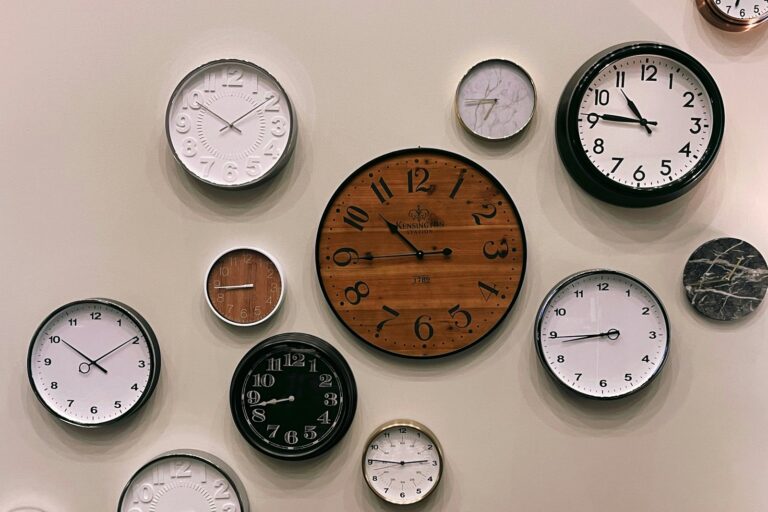
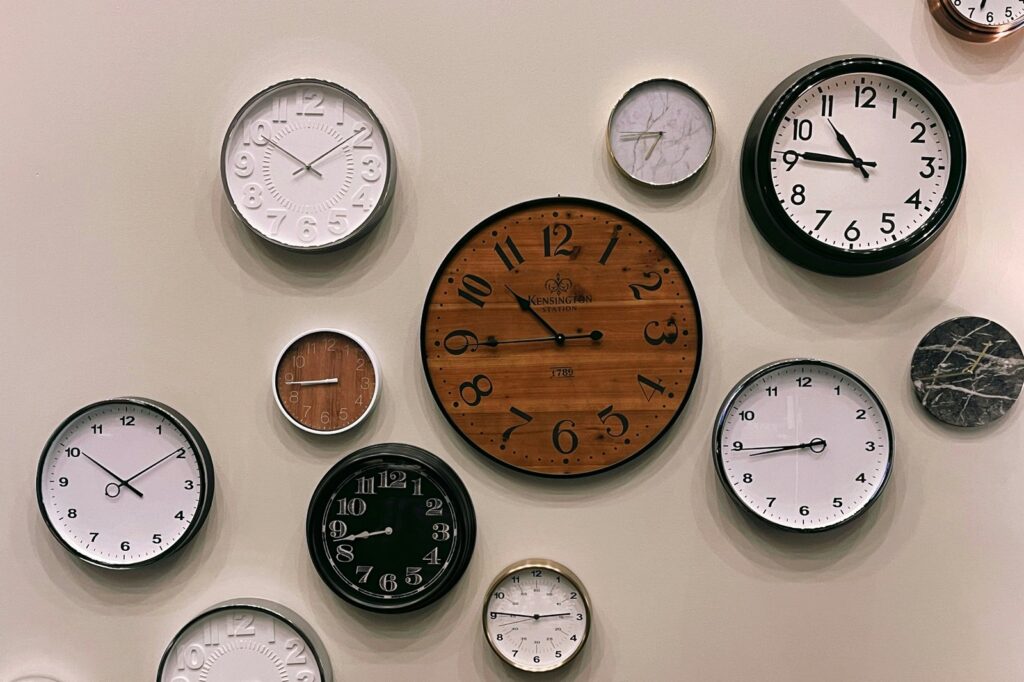
When daylight saving time ends on Sunday, Nov. 1, 2026, at 2 a.m. local time, clocks “fall back” one hour to 1 a.m., giving most families an extra hour of sleep overnight. While smartphones, computers, and many smart‑home devices will update automatically, analog wall clocks, car dashboards, microwaves, ovens, and other non‑networked appliances must be turned back manually before bedtime on Saturday, Oct. 31.
This manual step is more than a convenience—it prevents scheduling mishaps that can throw off bedtime routines, school drop‑offs, and after‑school activities. A mis‑set clock can inadvertently shift a child’s lights‑out time, undermining the gradual 15‑minute bedtime adjustments recommended for a smoother transition.
In addition to the clock change, sunrise and sunset will occur roughly one hour earlier after the “fall back.” The earlier daylight can make morning commutes brighter, but evenings will grow dark sooner, which may affect outdoor play or extracurricular practices that rely on natural light. Parents can plan for this shift by scheduling indoor activities later in the day or using supplemental lighting to maintain a consistent evening environment.
Historical Context of DST and Its Adoption
The practice of daylight saving time (DST) has roots that stretch back to the early 20th century. The first implementation of DST was by Port Arthur and Fort William in Ontario, Canada, in 1908, though it was only local and not nationwide. The first nation-wide implementations were by the German and Austro-Hungarian Empires, both starting on 30 April 1916. The idea was initially proposed in a satirical letter by Benjamin Franklin in 1784, but it was not until 1895 that George Hudson made the first realistic proposal to change clocks by two hours every spring. The proposal was not implemented until 1928. In 1907, William Willett proposed British Summer Time as a way to save energy, and it was eventually implemented in 1916.
In the United States, DST was formally introduced in 1918, but its application was inconsistent until the Uniform Time Act of 1966, which established a permanent system of uniform DST, including the dates and times for twice-yearly transitions. The U.S. briefly experimented with year-round DST in 1974 under President Richard Nixon, but the move was unpopular, and standard time was restored within months. As of 2023, around 34 percent of the world’s countries use DST, primarily in Europe and North America, with some countries observing it only in some regions.
Sources
- Daylight saving time
- Daylight Saving Time Ends Soon. Here's When the Clocks Go Back an Hour – CNET
- When daylight saving time ends in 2026: Date clocks 'fall back' one hour
Photo: Jon Tyson / Unsplash (Unsplash License)