
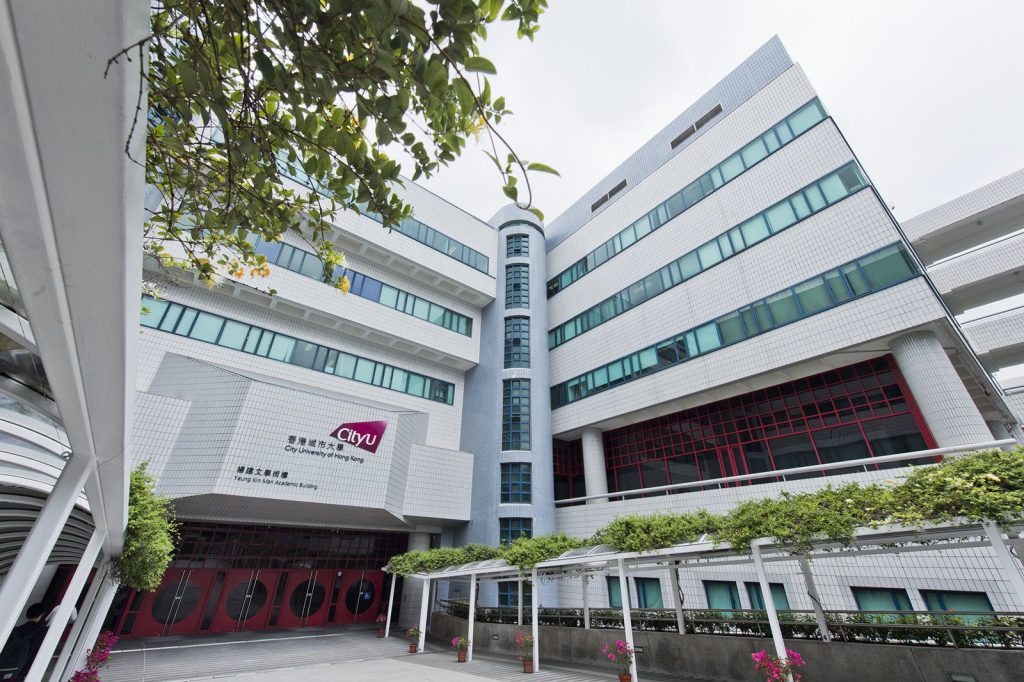
City University of Hong Kong has a new assistant professor in its school of energy and environment. Her name is Chen Peipei. She used to work at the University of Cambridge.
She left a research associate role there to build her own lab. The move became official in May.
Chen took up a presidential assistant professorship. For her, the draw was straightforward: research budgets and PhD student quotas. She said those resources are becoming rare in Britain.
“For scientists, having funds and a team to carry out research is hugely appealing,” she said. “In Britain, a teaching position rarely comes with research start-up funds.
New faculty members are mostly expected to teach, leaving little time to develop their own research.” Her move is not an isolated case. It fits a pattern. Early-career scientific talent is shifting away from British academia.
Shrinking research funding is part of it. A complex geopolitical climate is eroding the appeal of once-prestigious institutions. Chen’s own words make the calculus plain: opportunity versus constraint.
British universities are in a financial crisis. A recent survey from Universities UK makes the scale clear.
Nearly one third of 48 responding member institutions cut academic research activity in the past three years. That number more than doubled from 14 percent reported in 2024. Staffing is a primary cost-saving target.
The same survey found 79 percent of universities pursued voluntary redundancies or put hiring freezes in place over the past three years. Job-cut plans have been announced across the country in the last two months.
The universities of Dundee, Sussex, Nottingham, Glasgow and Aberdeen all have such plans. Another survey of about 460 junior researchers in physics and astronomy painted a grim picture. The details of that survey were not fully reported, but the trend line is clear.
Chen described CityU as supportive of young faculty. That is the contrast she drew. In Britain, a teaching position rarely comes with research start-up funds.
New faculty members are mostly expected to teach. That leaves little time to develop their own research.
The result is a brain drain. Scientists who want to build teams and chase big questions go where the money is. Hong Kong is one of those places.
CityU is one of those institutions. Chen now has her own laboratory.
She has access to research budgets. She has PhD student recruitment quotas. Those are the tools she needed.
Cambridge could not offer them. British academia, as a system, is struggling to keep its early-career talent. The broader shift matters.
It is not just about one scientist. It is about a structural problem.
British universities are cutting research. They are cutting staff. They are freezing hiring.
The appeal of prestigious institutions is fading. Geopolitical complexity adds another layer.
Scientists like Chen are making rational choices. They go where the resources are. That is the story.
It is a story of budgets, quotas, and the slow erosion of a system that once attracted the world’s best.




