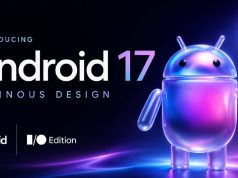
Google’s upcoming Android 17 update is being positioned as a high-stakes bet on visual identity and AI dominance. The company previewed the release at an event called The Android Show, where teasers and leaks pointed to a redesign dubbed ‘Luminous Design.’ This is not a minor tweak. The overhaul brings more color, blur, transparency, and glowing interface elements to the platform. For a company that has sometimes played it safe with Android’s look, this is a swing.
The core question is whether users will care. Android has long offered deep customization, but the base interface has remained relatively static for years. Luminous Design risks alienating users who prefer that clean, utilitarian look. It also risks looking derivative—glow and blur are already staples in competing operating systems. Google is betting that the visual refresh will feel fresh, not gimmicky. The fact that the company has framed this year as one of its most significant for Android suggests internal confidence is high. But confidence does not guarantee adoption.
The deeper bet is on Gemini AI, branded Gemini Intelligence. Google plans to push more agentic, on-device AI features across Pixel devices and the wider Android ecosystem. The rumored next-generation Gemini model promises gains in reasoning, speed, and multimodal capability. This is where the real stakes lie. If the AI features feel genuinely useful—not just a chatbot bolted onto the settings menu—they could drive upgrades. If they feel half-baked or overly reliant on cloud connectivity, they will become a footnote. Apple is already pushing its own on-device AI narrative. Google cannot afford to stumble here.
Then there is the rumor of ‘Aluminium OS,’ a unified platform that would merge Android and ChromeOS across phones, tablets, laptops, and desktops. This is not a new idea. Microsoft tried it with Windows 10X and abandoned it. Google itself has been inching toward this for years, with ChromeOS gaining Android app support and Android tablets getting desktop modes. A formal merger would be a massive engineering lift. It would also risk diluting both platforms. ChromeOS is lean and lightweight. Android is sprawling and app-heavy. Squeezing them into one codebase could produce a compromise that satisfies nobody.
Android XR and smart-glasses ambitions are also expected to surface at the event. Google has tried this before. Google Glass failed. The market for augmented reality has since matured, but it remains niche. Competing with Meta’s Ray-Ban partnership and Apple’s Vision Pro will require more than a reference design. It will require a clear use case that ordinary people actually want to wear on their faces. That bar is high.
Other features in the pipeline include motion-based assistance, native app locking, new gesture controls, and expanded customization. These are sensible additions. Native app locking alone addresses a long-standing user demand. But none of them are headline-grabbing. The narrative weight of Android 17 rests on Luminous Design and Gemini Intelligence. If those two pillars hold, the update could be remembered as a turning point. If they crack, it will be remembered as the year Google tried to do too much at once.
Many specifics remain unconfirmed until the official release. That is typical. But the breadth of the rumors—visual redesign, AI overhaul, platform merger, XR hardware—signals a company that believes it must move fast. The risk is that speed produces fragmentation rather than cohesion. Android 17 will either be the release that pulls Google’s ecosystem together or the one that reveals how far apart the pieces still are.