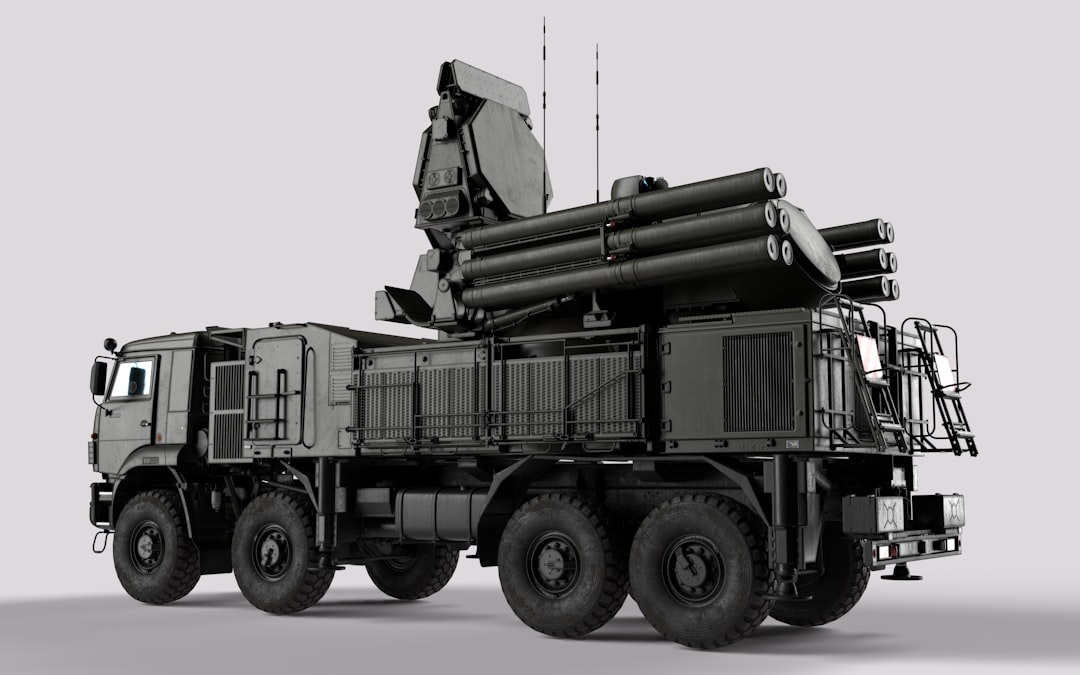
Iran fired ballistic missiles at northern Israel on June 7, the first direct military strike between the two nations since a ceasefire was signed in April. The attack shattered two months of relative calm. The Israel Defense Forces intercepted the incoming missiles. No casualties were reported on the Israeli side.
The missiles were a response to Israeli military actions targeting Iranian interests in Beirut. That is the official account. The exchange of fire that followed was brief. Hostilities have since paused. But the ceasefire — the one that ended the Twelve-Day War in June 2025, the one that was seen as a major breakthrough in Middle Eastern tensions — has effectively been broken.
President Trump scrambled to contain the damage. He urged Tehran and Jerusalem to stand down and return to the negotiating table. That is where the story stands now: a ceasefire in tatters, a president scrambling, and global markets in shock.
What the attack tells us
The missile strike is not a random escalation. It is a direct, retaliatory action. Iran targeted Israeli military interests in northern Israel. Israel had earlier targeted Iranian interests in Beirut. This is a cycle of tit-for-tat violence that the April ceasefire was supposed to stop. It did not.
The Twelve-Day War in June 2025 had kept the region on edge for nearly a year. The ceasefire was fragile from the start. Both sides maintained their alliances and their rivalries. The complex web of alliances and rivalries that underpins this conflict remains intact. The ceasefire papered over it. The missiles tore through the paper.
Global markets reacted instantly. Oil prices surged more than 4% intraday. That is a direct measure of how seriously investors take this escalation. Middle Eastern oil routes are at risk. Supply chains are at risk. The price jump reflects real fear, not speculation.
Bitcoin tumbled below $63,000. Investors fled to safe-haven assets. Gold, bonds, the usual flight. The message is clear: the market sees this as a genuine crisis, not a brief flare-up.
No casualties, but a broken ceasefire
The successful interception of the missiles is a tactical victory for Israel. No casualties, no damage to military assets. But that is not the point. The point is that Iran launched ballistic missiles at Israel. That is a direct military strike. It is the first since the ceasefire was put in place.
The April ceasefire was the first major diplomatic achievement in the region since the Twelve-Day War ended. It was supposed to reduce tensions. It was supposed to prevent exactly this kind of attack. Now it is gone.
President Trump is working to contain the damage. He is urging both sides to return to the negotiating table. But the table has been upended. The question now is whether a new ceasefire can be negotiated, or whether the region is sliding back into open conflict.
The brief exchange of fire that followed the initial attack has paused. That pause is fragile. It is the same kind of pause that preceded the April ceasefire. It is the same kind of pause that preceded the Twelve-Day War. The pattern is repeating itself.
Iran targeted Israeli military interests. Israel had earlier targeted Iranian interests in Beirut. The cycle is clear. The question is whether either side wants to break it.
The attack happened on June 7. It is now June 9. The markets have reacted. The president has reacted. The region is waiting. The ceasefire is dead. What comes next is anyone’s guess.