
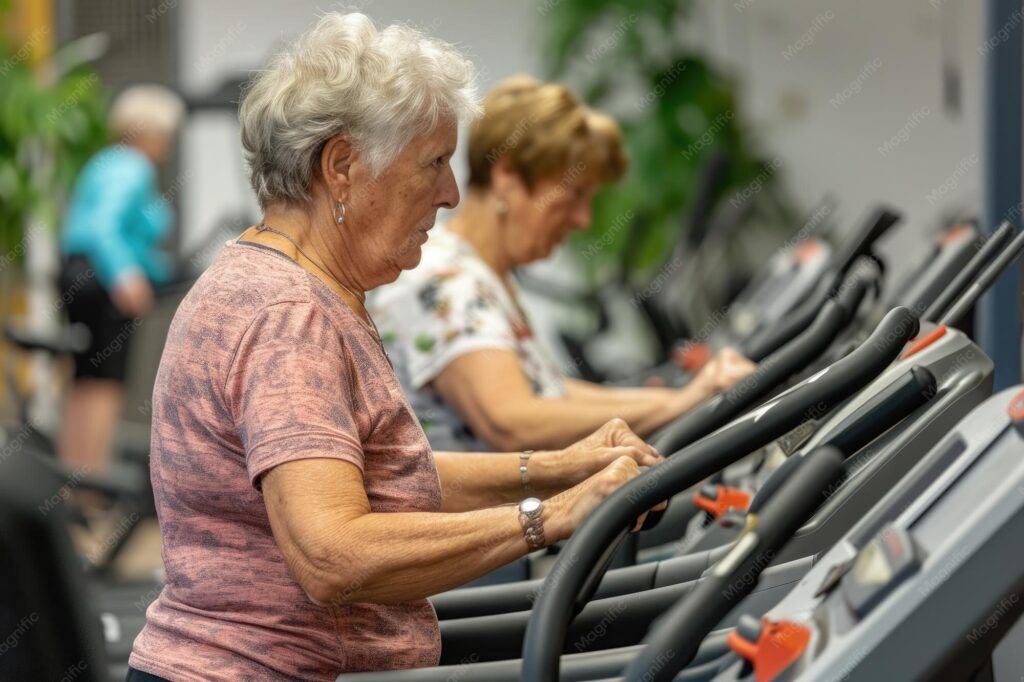
ISLAMABAD, September 22 — Healthy adults over 55 who exercised regularly for three decades showed higher vitality capacity than their inactive peers, with an average blood-oxygen saturation of 96.8% compared with 94.8% in the inactive group, according to a study published in a peer-reviewed journal. The finding suggests that long-term exercise may help preserve cardiorespiratory function with age. But the observational design means it cannot prove causation, and experts caution that other factors — diet, genetics and socioeconomic status among them — could influence the results.
Blood-oxygen saturation, measured as peripheral oxygen saturation (SpO2), reflects how well the lungs and cardiovascular system deliver oxygen to tissues. Normal resting SpO2 typically ranges from 95% to 100%, and values below 95% may indicate impaired gas exchange.
The 2-percentage-point difference between the groups is modest but clinically meaningful. Lower oxygen saturation is associated with reduced exercise capacity, fatigue, and increased risk of cardiovascular and respiratory complications in older adults. The study compared two groups: lifelong exercisers who maintained a regular routine for three decades, and inactive individuals.
Participants were healthy adults over 55. No information was provided about the sample size, the specific exercise regimens, or the duration of each exercise session.
The research was conducted by an unspecified team. The exact publication date and authors were not provided in the source material. The results were announced in a news release, but full details, including potential conflicts of interest and funding sources, were not included.
Building on earlier evidence
The findings add to a body of research linking physical activity to healthier aging, including better cardiovascular health, muscle function, and cognitive outcomes. A 2018 study in the European Heart Journal found that lifelong exercise was associated with more youthful cardiac function. The current study’s focus on blood-oxygen saturation offers a simple, non-invasive marker of respiratory and cardiovascular health.
It is consistent with previous studies showing that regular physical activity can improve oxygen utilization and cardiovascular efficiency. The World Health Organization recommends at least 150 minutes of moderate-intensity aerobic activity or 75 minutes of vigorous-intensity activity per week for adults, plus muscle-strengthening activities on two or more days per week.
Despite these guidelines, physical inactivity remains common. The US Centers for Disease Control and Prevention reports that only about half of American adults meet the aerobic activity guideline.
What to watch
Future research could explore whether the observed benefits are due to exercise itself or to other healthy lifestyle habits that often accompany regular physical activity. The clinical implications for individual patients should be interpreted with caution. Older adults considering starting an exercise program should consult their healthcare providers, especially if they have chronic conditions.
The encouraging part is that the takeaway for the public is straightforward: maintaining an active lifestyle over decades may help preserve oxygen delivery and overall vitality in later years. Consult your doctor for medical advice.




