A new-home buyer recently discovered daylight around their tankless water heater’s ventilation pipe, which the builder deemed acceptable. However, this oversight can pose significant risks, including carbon monoxide concerns, pest infestations, and drafts, highlighting the importance of proper inspection and installation of water heaters.
Understanding Water Heater Ventilation
Water heating is a heat transfer process that uses an energy source to heat water above its initial temperature. Traditional domestic water heaters include metal vessels, tanks, boilers, and heat exchangers, depending on the region and energy source. To ensure safe and efficient operation, it is crucial to properly inspect and install water heaters, particularly their ventilation systems. Unsealed ventilation pipes can present carbon monoxide concerns, as well as risks from pests and drafts, as noted by a commenter on the r/homeowners forum.
Inspecting Ventilation and Installation Points
Homeowners can take several steps to inspect their water heater’s ventilation and installation. First, they should review the installation manual for their specific model to understand how the vent penetration should be sealed. As one commenter suggested, pulling up the installation manual and quoting the manufacturer back to the builder can help resolve any disputes. Additionally, homeowners can take photos from inside and outside the vent to document any issues and create a written record for builder warranty walkthroughs.
Background and Regulatory Changes
The Bay Area Air Quality Management District has updated its rules to require residents to transition to electric water heaters, with a delayed start date of January 2028. The rule aims to reduce smog-forming emissions and prevent premature deaths and asthma cases. However, the updated rule also provides exemptions for low-income families, those with tight spaces or outdated electrical systems, and mobile homes. The upfront cost of a heat pump water heater is estimated to be roughly $3,500 more than a gas model, according to the Bay Area Air District.
What Homeowners Can Do
To ensure their water heater is safe and up to code, homeowners should inspect their ventilation systems, review the installation manual, and document any issues. They can also consider upgrading to a heat pump water heater, which can help lower energy bills. However, the higher upfront cost of these heaters may be a barrier for some homeowners. As the Bay Area Air District’s rule takes effect, it is essential for homeowners to understand their options and take steps to ensure their water heater is properly installed and maintained. As of January 2028, most Bay Area property owners replacing a gas water heater will have to install a model that emits no nitrogen oxides, typically an electric heat pump.
Sources
- New-home buyer finds daylight around a water heater vent that the builder deems 'acceptable'
- Water heating
- Bay Area delays gas water heater phaseout and lets up to half of owners skip electric
- Bay Area Air District Votes to Delay Zero-Emission Water Heater Rule | KQED
- Delayed gas water heater ban divides South Bay – San José Spotlight
- Pause put on Bay Area gas-powered water heater ban
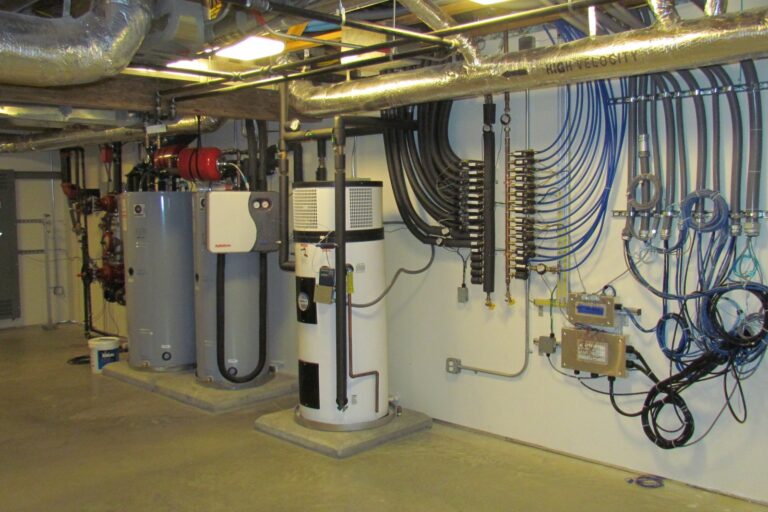
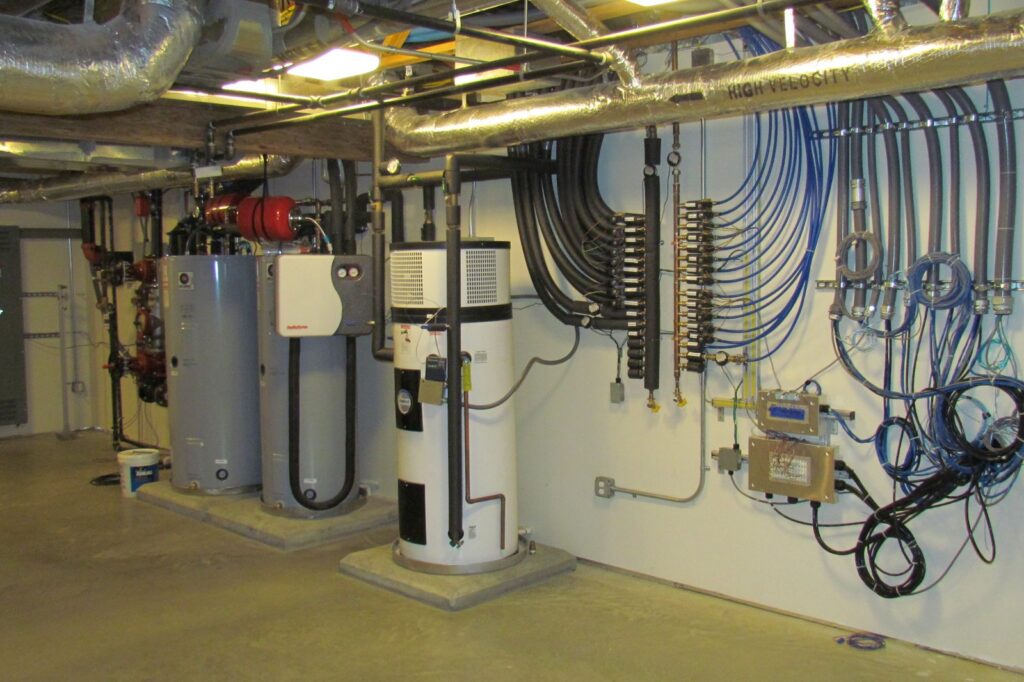
Photo: National Institute of Standards and Technology (Public domain)