Choosing DIY Insulation: Balancing Cost, Skill, and Scope
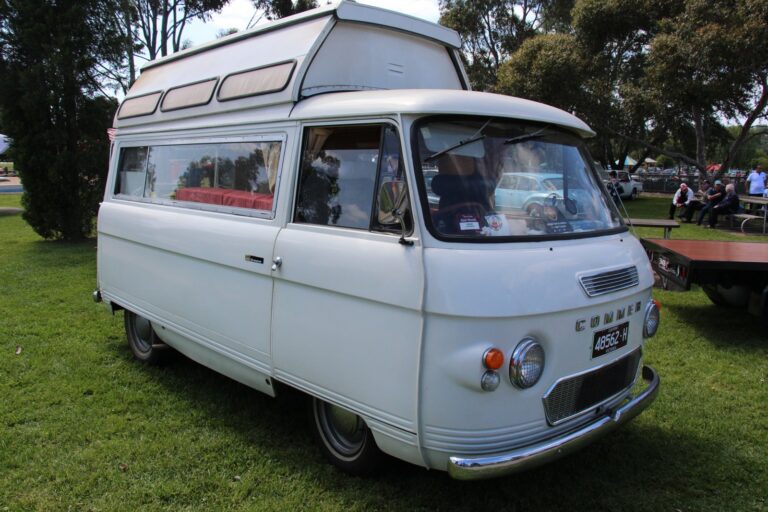
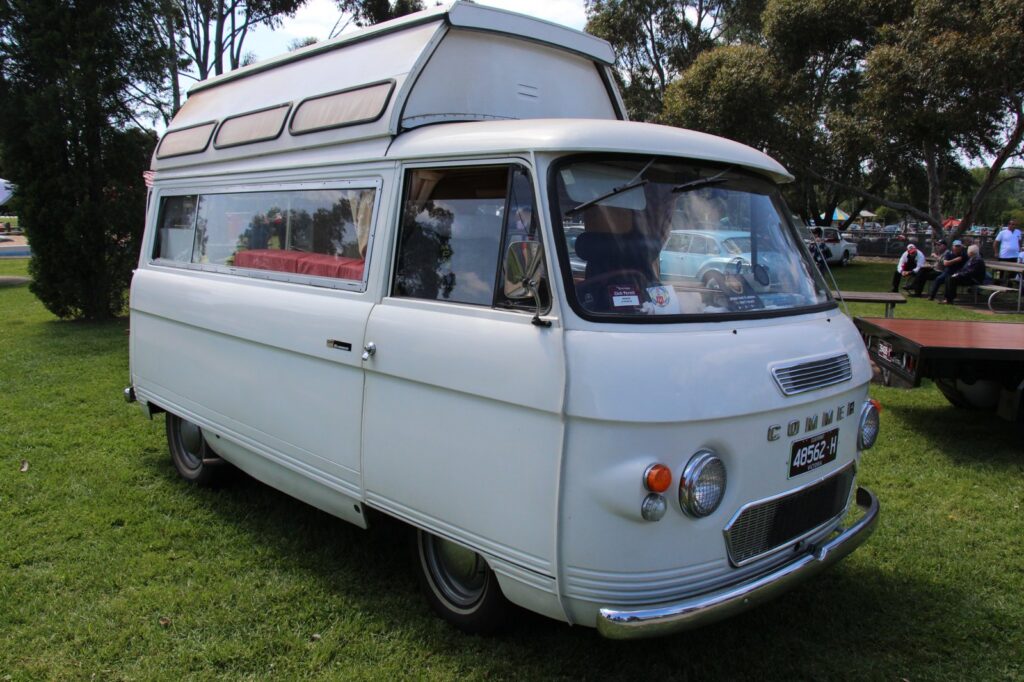
After receiving a $20,000 quote for insulation and wiring alone, one couple turned their Ram ProMaster camper van buildout into a DIY project rather than hiring a builder. This decision highlights a common dilemma for homeowners and vehicle owners facing high retrofit costs: whether to hire professionals or tackle the work themselves.
The choice between DIY and professional installation often comes down to the specific type of project, the required skill level, and the potential for error. For many, the savings from a self-install approach can be significant, but it requires careful planning and an honest assessment of one’s abilities.
Understanding the Cost Drivers
Professional quotes often include labor, materials, and overhead, which can make simple upgrades seem prohibitively expensive. In the case of the camper van, the $20,000 figure covered only insulation and wiring, not the entire build. For homeowners, similar deep energy retrofits can be costly due to prolonged site work and the need for specialized labor. According to a project led by Fraunhofer USA, the costs and prolonged site work for comprehensive deep energy retrofits often preclude implementing them at scale for the average homeowner.
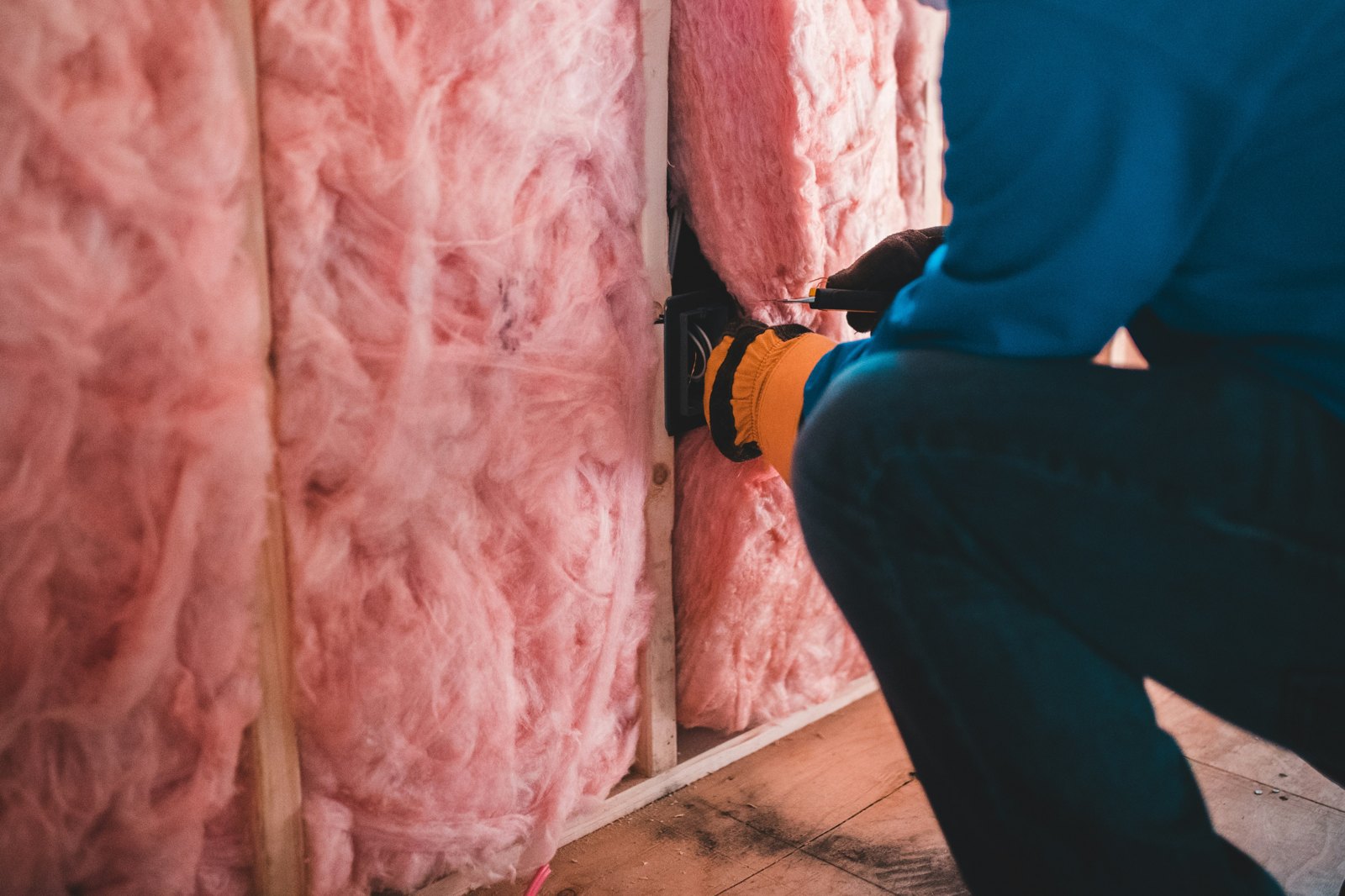
However, emerging technologies may lower these barriers. The Fraunhofer USA project focuses on developing low-cost, super-insulated external wall systems that can be installed by semiskilled labor. This approach aims to demonstrate a pathway for implementing comprehensive electrified deep energy retrofits at a cost of $30 per square foot, including recladding. By using prefabricated insulated panel blocks and augmented reality to guide installation, the project seeks to reduce the time and disruption associated with traditional retrofits.
Assessing Your DIY Capabilities
Before choosing a DIY route, it is essential to evaluate the complexity of the task. The couple in the camper van story planned their interior by watching YouTube videos, taking notes, and combining ideas from other builds. Steve, the DIY builder, noted that while the process was manageable, not every conversion task will suit every beginner. For instance, installing a ventilation fan required cutting into the new van’s roof, a step he found daunting.
For home insulation, similar caution applies. If a project involves structural changes, electrical wiring, or complex ventilation, it may be safer and more cost-effective to hire a professional. The Fraunhofer USA project emphasizes that ensuring high-quality retrofits compatible with the business model of small contractors is a key goal, suggesting that even with easier installation methods, quality control remains paramount.
Comparing DIY and Professional Outcomes
The financial savings of a DIY project can be substantial, but they must be weighed against the risk of errors that could lead to higher repair costs later. One commenter on the camper van video noted that with a DIY build, you can save a lot of money and still be just as comfortable with all the amenities you want and need, while also being self-sufficient when a problem comes up. This self-sufficiency can save money on repairs in the long run, as the owner understands the system they have built.
In terms of energy efficiency, deep energy retrofits are expected to significantly reduce HVAC and domestic hot water site energy consumption. The Fraunhofer USA project estimates an 80% reduction in energy consumption for buildings using their integrated retrofit package. For homeowners, achieving this level of efficiency through DIY methods may be more challenging than with a professional installation, but it is not impossible if the right materials and techniques are used.
Practical Steps for a DIY Insulation Project
If you decide to proceed with a DIY insulation project, start by thoroughly researching the materials and methods that suit your specific needs. For the camper van, the couple used repurposed materials to maximize space efficiency and keep weight down. They used lightweight baskets on shelves instead of installing extensive wooden cabinetry, and repurposed heavy-duty canvas flowerpot holders for storage pockets. This approach to using lightweight, repurposed materials can be applied to home insulation as well, particularly when dealing with tight spaces or weight constraints.
Another key aspect of the DIY approach is planning. For home insulation, this might involve studying building codes, understanding R-values, and learning about the different types of insulation available, such as fiberglass, cellulose, or spray foam. Each type has its own advantages and challenges, and choosing the right one depends on the specific area of the home being insulated.
The Role of Technology in DIY Insulation
Technology is playing an increasingly important role in making DIY insulation projects more accessible. The Fraunhofer USA project uses augmented reality to guide the installation process, which could be a valuable tool for homeowners attempting to install prefabricated insulated panel blocks. By digitizing the design, fabrication, and installation processes, these technologies can help ensure that even semiskilled workers can achieve high-quality results.
For homeowners, this means that the barrier to entry for deep energy retrofits is lowering. With the right tools and guidance, it may be possible to implement comprehensive electrified deep energy retrofits in less than two weeks, eliminating many of the cost, installation time, and disruption barriers that have previously impeded such projects. This could make it easier for homeowners to improve their energy efficiency and reduce their utility bills without hiring a professional.
What This Means for Homeowners
For homeowners facing high retrofit quotes, the choice between DIY and professional installation is not just about cost. It is also about the level of control and satisfaction you want to have over the project. If you are comfortable with the tools and techniques required, a DIY approach can be a rewarding and cost-effective way to improve your home’s energy efficiency. However, if the project involves complex electrical work or structural changes, it may be worth investing in a professional to ensure that the job is done safely and correctly.
Ultimately, the goal is to create a home that is comfortable, efficient, and safe. Whether you choose to DIY or hire a professional, the key is to do your research, plan carefully, and make informed decisions. By understanding the costs, benefits, and challenges of each approach, you can make the best choice for your specific situation.
Final Considerations
As the trend of DIY home and vehicle retrofits grows, more resources and tools are becoming available to help homeowners navigate the process. From online videos and guides to advanced technologies like augmented reality, the options for improving your home’s energy efficiency are expanding. The important thing is to approach the project with a clear plan and a realistic assessment of your skills and resources.
By taking the time to research and plan, you can ensure that your DIY insulation project is a success. Whether you are building a camper van or retrofitting your home, the principles of careful planning, cost-effective material selection, and attention to detail remain the same. With the right approach, you can achieve a comfortable and efficient living space without breaking the bank.
Sources
- Man builds his own camper after getting a $20,000 quote for insulation and wiring alone
- Single-Family Deep Energy Retrofits with Prefabricated Panel Block Wall Insulation
- Where to Find Insulation Roll – Best Loot Locations – Arc Raiders Guide – IGN
- Roof Repair Advice from Guardian Roofing, Gutters and Insulation
- Seattle Police Department Enjoys Unique Privileges, Insulation from Accountability
- Wanted man found hiding under insulation in Murphy, North Carolina attic: report
Photo: Sicnag (CC BY 2.0)