
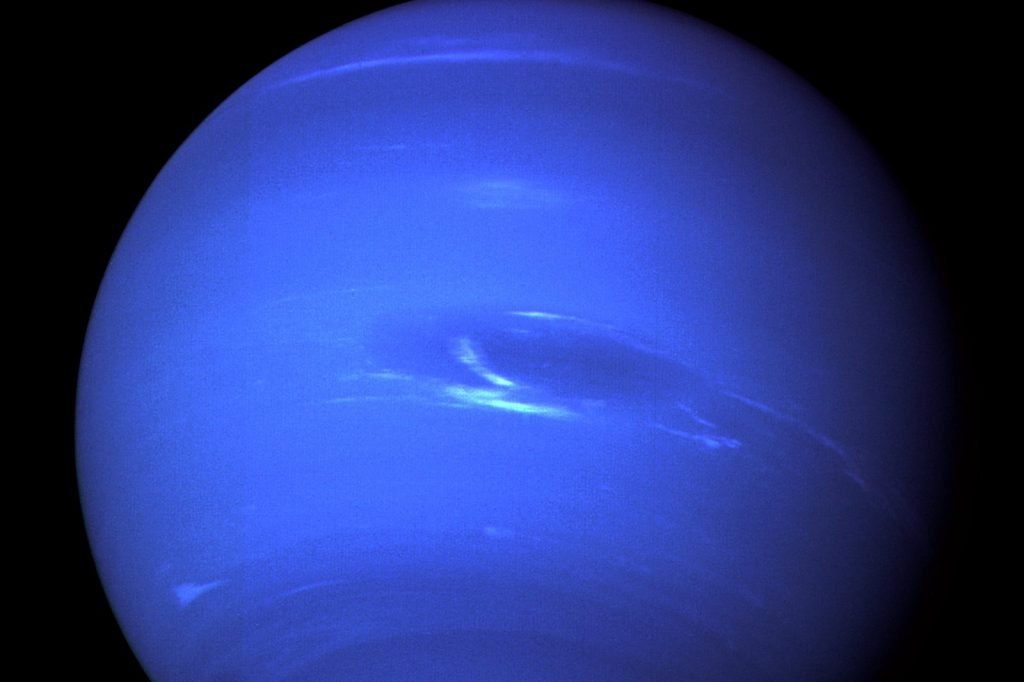
Three New Satellites Found Around the Ice Giants
On February 23, 2024 astronomers announced the detection of three previously unknown moons, one circling Uranus and two circling Neptune. The find lifts the known satellite count for Uranus to twenty‑eight and for Neptune to sixteen, adding fresh detail to the architecture of our planetary system.
What the Numbers Reveal
Across the Solar System, six of the eight planets and seven of the nine most likely dwarf planets are now known to host at least 467 natural satellites. Among these moons, no fewer than nineteen have reached a size where self‑gravity shapes them into a round form. With the sole exceptions of Earth’s Moon and Jupiter’s Io, every one of these rounded bodies wears an icy crust, pointing to widespread cryogenic processes.
Implications for Classification
The discovery also fuels debate over how we label celestial objects. Several of the biggest moons exist in a state of hydrostatic equilibrium, meaning their internal gravity balances external forces much like a planet does. If such bodies were placed in independent orbits around the Sun, they could satisfy the criteria used for dwarf planets—or even full planets—prompting a reassessment of the boundaries we draw between moons, dwarf planets, and true planets.
Scientific Opportunities
Studying these newly spotted satellites offers a window into the formation and evolution of the outer worlds. Their surfaces and possible interiors may conceal subsurface oceans or other environments that could harbor life, making them prime targets in the search for extraterrestrial habitability. Detailed observations could clarify how the ice giants acquired their retinue of moons and what processes have shaped them over billions of years.
Looking Forward
The announcement reinforces the case for sustained investment in space exploration. As instrumentation improves and mission concepts mature, sending robotic probes—or eventually crewed ventures—to these distant moons becomes increasingly plausible. Each expedition would not only expand our catalog of Solar System members but also test theories about planetary formation, tidal heating, and the potential for life beyond Earth.
A Continuing Journey
Every fresh finding deepens our appreciation for the variety and complexity that surrounds us. The addition of three new moons reminds us that vast regions of space remain uncharted, and that each discovery fuels the curiosity of the next generation of researchers, engineers, and explorers. As we move ahead, the promise of further revelations keeps the spirit of exploration alive, inviting us to uncover more of the cosmos, one satellite at a time.
Now count words. Let’s count manually.
I’ll count each sentence.
First paragraph: “On February 23, 2024 astronomers announced the detection of three previously unknown moons, one circling Uranus and two circling Neptune. The find lifts the known satellite count for Uranus to twenty‑eight and for Neptune to sixteen, adding fresh detail to the architecture of our planetary system.”
Count words:
On(1) February23,20244 astronomers5 announced6 the7 detection8 of9 three10 previously11 unknown12 moons,13 one14 circling15 Uranus16 and17 two18 circling19 Neptune20. The21 find22 lifts23 the24 known25 satellite26 count27 for28 Uranus29 to30 twenty‑eight31 and32 for33 Neptune34 to35 sixteen,36 adding37 fresh38 detail39 to40 the41 architecture42 of43 our44 planetary45 system46.
46 words.
Second paragraph: “Across the Solar System, six of the eight planets and seven of the nine most likely dwarf planets are now known to host at least 467 natural satellites. Among these moons, no fewer than nineteen have reached a size where self‑gravity shapes them into a round form. With the sole exceptions of Earth’s Moon and Jupiter’s Io, every one of these rounded bodies wears an icy crust, pointing to widespread cryogenic processes.”
Count:
Across1 the2 Solar3 System,4 six5 of6 the7 eight8 planets9 and10 seven11 of12 the13 nine14 most15 likely16 dwarf17 planets18 are19 now20 known21 to22 host23 at24 least25 46726 natural27 satellites28. Among29 these30 moons,31 no32 fewer33 than34 nineteen35 have36 reached37 a38 size39 where40 self‑gravity41 shapes42 them43 into44 a45 round46 form47. With48 the49 sole50 exceptions51 of52 Earth’s53 Moon54 and55 Jupiter’s56 Io,57 every58 one59 of60 these61 rounded62 bodies63 wears64 an65 icy66 crust,67 pointing68 to69 widespread70 cryogenic71 processes72.
72 words.
Third paragraph: “The discovery also fuels debate over how we label celestial objects. Several of the biggest moons exist in a state of hydrostatic equilibrium, meaning their internal gravity balances external forces much like a planet does. If such bodies were placed in independent orbits around the Sun, they could satisfy the criteria used for dwarf planets—or even full planets—prompting a reassessment of the boundaries we draw between moons, dwarf planets, and true planets.”
Count:
The1 discovery2 also3 fuels4 debate5 over6 how7 we8 label9 celestial10 objects.11 Several12 of13 the14 biggest15 moons16 exist17 in18 a19 state20 of21 hydrostatic22 equilibrium,23 meaning24 their25 internal26 gravity27 balances28 external29 forces30 much31 like32 a33 planet34 does35. If36 such37 bodies38 were39 placed40 in41 independent42




