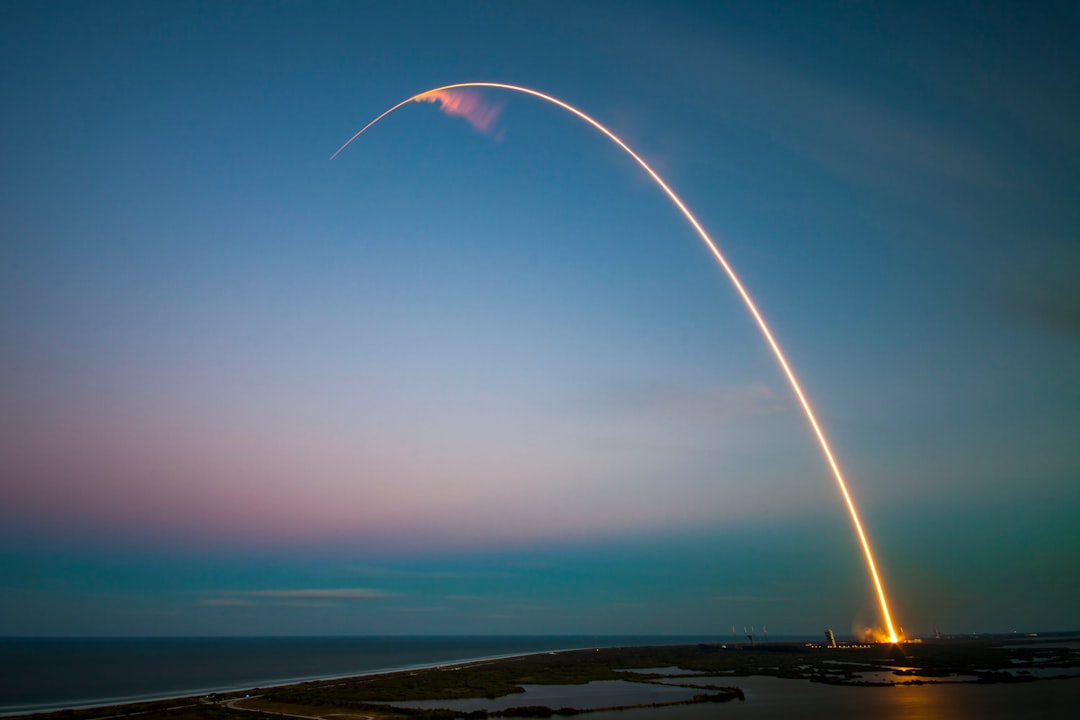
BENGALURU — The Indian Space Research Organisation launched Chandrayaan-3 on July 14, 2023. It was not a first attempt. It was a second try.
The first try, Chandrayaan-2, crashed in 2019. The lander slammed into the lunar surface just before touchdown. India fell short of becoming the fourth nation to soft-land on the Moon. The agency went back to work.
Chandrayaan-3 carries the same basic payload: a lander called Vikram and a rover named Pragyan. The mission plan is identical in outline — set down softly, roll out the rover, run experiments for two weeks. The difference is in the engineering fixes. ISRO added stronger landing legs, improved software, more fuel. They tested the landing sequence in simulation hundreds of times. They did not rush.
ISRO operates under the Prime Minister’s office. Its chairman runs both the agency and the Department of Space. The headquarters sits in Bengaluru, Karnataka. The organization has a reputation for doing a lot with a little. Chandrayaan-1, launched in 2008, confirmed water ice on the Moon. That mission cost about $80 million. By comparison, a single NASA Discovery-class mission can run four times that amount.
The agency runs a fleet of imaging and communications satellites. It operates the GAGAN and IRNSS navigation systems. It has sent probes to the Moon and Mars. The Mars Orbiter Mission, launched in 2013, cost less than the movie “Gravity.” It arrived in orbit on the first try.
Landing is harder. Only the United States, the Soviet Union, and China have done it. Israel tried in 2019 and crashed. Japan’s Hakuto-R lander crashed in April 2023. Russia’s Luna-25 is scheduled to launch later this year. The Moon’s surface is littered with failed hardware.
The landing site for Chandrayaan-3 is near the south pole. That region is of high scientific interest. It contains permanently shadowed craters that may hold water ice. Water means fuel, oxygen, drinking water — resources for a permanent base. No country has landed there. China’s Chang’e-4 landed on the far side. The U.S. Apollo missions all landed in the equatorial belt. The south pole is rougher, rockier, harder to read from orbit.
The Vikram lander carries instruments to measure lunar quakes and heat flow. The Pragyan rover will analyze soil composition. Both run on solar power. The mission is designed to last one lunar day — about 14 Earth days. When the sun sets, the batteries will drain. The hardware will freeze.
ISRO has not announced a follow-up mission. Chandrayaan-4 is not on the schedule. The agency is focused on getting this one right. A human spaceflight program, Gaganyaan, is in development but has faced delays. The first crewed launch was originally planned for 2022. It has slipped.
The stakes for Chandrayaan-3 are straightforward. A successful landing proves India can do what only three countries have done. It validates the fixes made after 2019. It opens the south pole for future exploration. A failure would mean another cycle of analysis, redesign, and waiting.
The launch went clean. The spacecraft entered Earth orbit. Over the following weeks, it will raise its orbit in stages, then slingshot toward the Moon. The landing is scheduled for late August. The whole country will watch.