
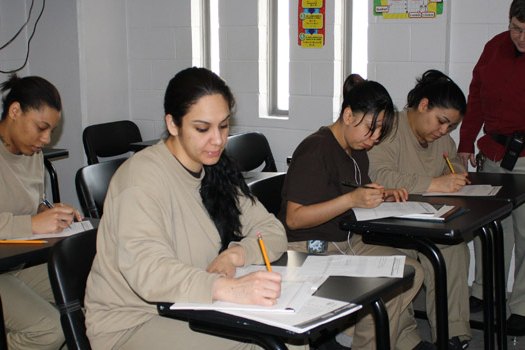
Education Behind Bars
The NACOC outreach was not about further penalizing inmates. Instead, it focused squarely on teaching the dangers of substance abuse. Both the men’s and women’s facilities received programming designed to address the specific realities of incarcerated individuals–many of whom are behind bars on drug charges or carry histories of addiction. For a group already separated from society, the message carried particular weight: understanding the consequences of substance use can alter behavior both inside and outside prison walls.
The timing of the event was no accident. World Drug Day provides an international platform for agencies like NACOC to reach populations that might otherwise be overlooked. Prisons are inherently closed environments; bringing educational materials and personnel inside requires coordination with corrections officials. The commission’s decision to target both facilities reflects a recognition that addressing drug problems cannot stop at the prison gate. Inmates at Ho Central Prisons and Ho Female Prisons are not static numbers–they are individuals who will eventually leave incarceration and re-enter their communities. What they learn during that single day of programming could shape their decisions long after release.
The Context of the Volta Region’s Prisons
Ho’s role as the region’s judicial center explains why its main correctional facilities are located here. The city’s history runs deep: situated in southeastern Ghana near the border with Togo, it was part of German Togoland until World War I, when British forces took control. After the war, Ho became the capital of British Togoland under League of Nations oversight, eventually merging with the Gold Coast colony, which later became independent Ghana. Under British rule, the city grew as an administrative center–a role it retains today as the capital of the Volta Region.
The region’s prison system operates under the Ghana Prisons Service, an agency responsible for custody, welfare, and rehabilitation. In Ghana, as in many African nations, incarceration has historically been the primary response to drug-related crime. But there has been a growing emphasis on rehabilitation through education and vocational training. Ho Central Prisons and Ho Female Prisons maintain the long-standing practice of separating male and female inmates, reflecting both security needs and international standards.
Broader Implications for Drug Policy
The NACOC outreach on June 26, 2023, represents more than a single day of programming. It signals a broader shift in how Ghana addresses substance abuse–treating it as a public health issue rather than solely a criminal one. For the Volta Region, such efforts connect national priorities with local interventions, even within the closed environment of a prison. The goal is to reduce recidivism by tackling root causes of incarceration, including addiction.
International observances like World Drug Day provide structured opportunities for agencies to reach marginalized groups, including those behind bars. The outreach at Ho Central Prisons and Ho Female Prisons underscores the idea that education and awareness, even for individuals already convicted, can change outcomes. The effects, if the lessons take hold, could last far longer than the hours of that single June day. Substance abuse does not stop at the prison gate, and through efforts like this one, neither does the effort to combat it.
{“@context”: “https://schema.org”, “@type”: “NewsArticle”, “headline”: “Prison Education Programs Target Substance Abuse Risks on World Drug Day”, “description”: “Education Behind Bars The NACOC outreach was not about further penalizing inmates. Instead, it focused squarely on teaching the dangers of substance abuse. Both the…”, “datePublished”: “2026-07-09T09:30:00+00:00”, “author”: {“@type”: “Person”, “name”: “Muhammad Asim”}, “publisher”: {“@type”: “Organization”, “name”: “InfoPulse Today”, “url”: “https://newsfeed.infopulsetoday.com/”}}




