
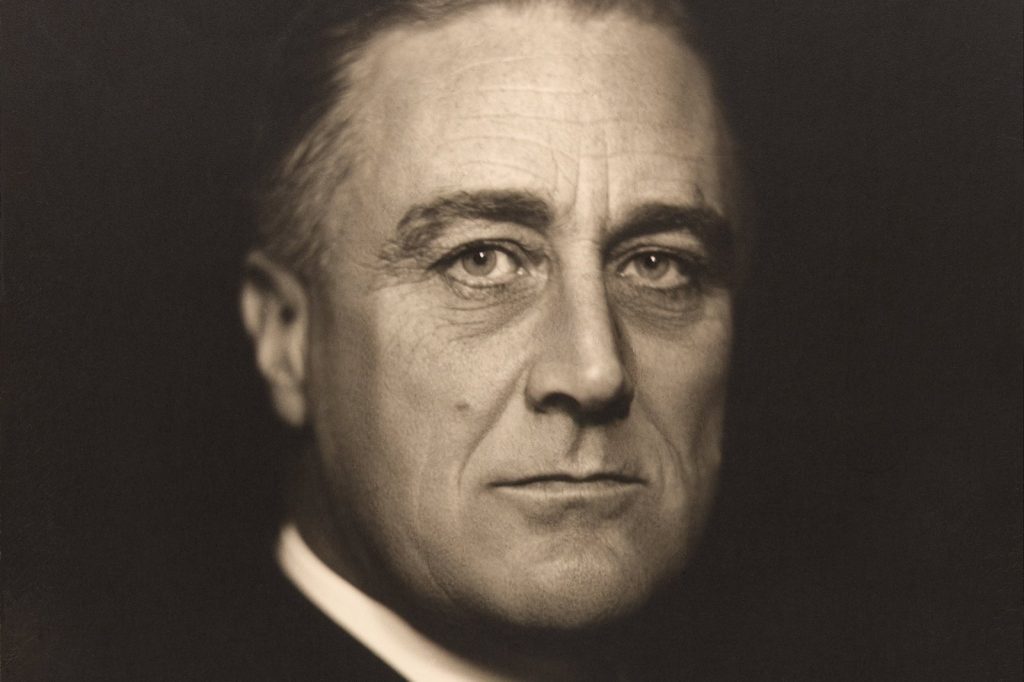
NEW YORK — The sharp retort you fire off in an argument can feel like a victory. But Franklin D. Roosevelt had a different take.
He believed swallowing those words is the smarter move. Better than eating them later, he said.
For families already stretched thin by illness or treatment, that lesson is not abstract. It is the difference between a household that holds together and one that fractures. Roosevelt’s quote, “It is better to swallow words than to have to eat them later,” is a small piece of advice with big stakes attached.
The former president understood something about human nature. Words do not vanish.
Once spoken, they settle into a room and change things. You cannot call them back. The only control you have is before they leave your mouth.
That is hard. Especially when you are tired. Especially when you are scared.
For a patient hearing a hard diagnosis, or a caregiver running on no sleep, the temptation to lash out is real. Roosevelt’s insight is that restraint is not weakness.
It is a discipline. It is choosing to hold back a cutting remark because you know the cleanup will cost more than the silence ever will. The report on his words notes that for families dealing with health challenges, this kind of emotional intelligence is a lifeline.
Think about what that means in concrete terms. A patient who feels dismissed by a doctor might snap.
A caregiver who hears one more complaint might explode. In those moments, the relationship can take a hit that takes weeks to repair. Or it can survive intact because someone paused.
Roosevelt was not telling people to stay quiet forever. He was talking about timing. Know when to speak.
Know when to hold back. That is an active choice, not a passive one.
It takes strength to bite your tongue. It takes practice to recognize the moment when a sharp reply will do more harm than good. For patients and their loved ones, the stakes are high.
A single harsh word can poison a conversation about treatment options. It can make a family member hesitate to share bad news next time.
It can turn a doctor into an adversary instead of an ally. The damage is real, and it compounds over time. Roosevelt’s quote teaches that patience is a skill.
It can be learned. It can be practiced. For someone facing a diagnosis, that skill might mean the difference between a supportive care team and one that feels hostile.
For a caregiver, it might mean preserving a relationship that already has enough pressure on it. The report highlights that Roosevelt’s words carry weight because they are simple.
No complicated theory. No jargon. Just a plain observation about how people work.
Words are powerful. They can heal or they can scar.
The choice is in the moment before you speak. For families navigating tough conversations, that moment is everything. Swallowing words in the heat of an argument can prevent a cascade of hurt feelings.
It can stop a misunderstanding before it starts. It can keep a relationship strong when everything else feels fragile. Roosevelt’s lesson is not about being silent.
It is about being smart. It is about knowing that some battles are not worth fighting with words.
The cost is too high. The damage is too hard to undo. Better to swallow them now than to eat them later.




