
ISLAMABAD, June 26 — Years from now, most children probably won’t remember the toy they got on a random Tuesday or what they had for dinner on a school night. But they often remember how bedtime felt. The voice that read one more page.
The question that made them smile. The hug that came before the lights went out.
Child development experts have long pointed out that it is the small, repeated moments, rather than grand gestures, that shape a child’s sense of security. The encouraging part for tired parents is that creating those memories does not require an hour of elaborate planning. Sometimes, five uninterrupted minutes are enough.
One simple habit that stands out is putting the phone away before entering the room. Children are remarkably good at noticing when they have only half of a parent’s attention, experts say.
Walking into bedtime without a phone instantly changes the atmosphere. It tells a child, even without saying a word, “Right now, you matter more than my notifications.” Those few distraction-free minutes often become the part of the day children look forward to most. Another approach that works well is asking one question they don’t hear during the day.
Instead of the usual “Did you finish your homework?” parents might try something that requires a bit more thought. “What made you laugh today?” “What surprised you?” or “What was the kindest thing someone did for you?” These questions invite conversation rather than one-word answers and help children end the day feeling heard instead of assessed. Reading, even if it is only one page, can also make a lasting impression.
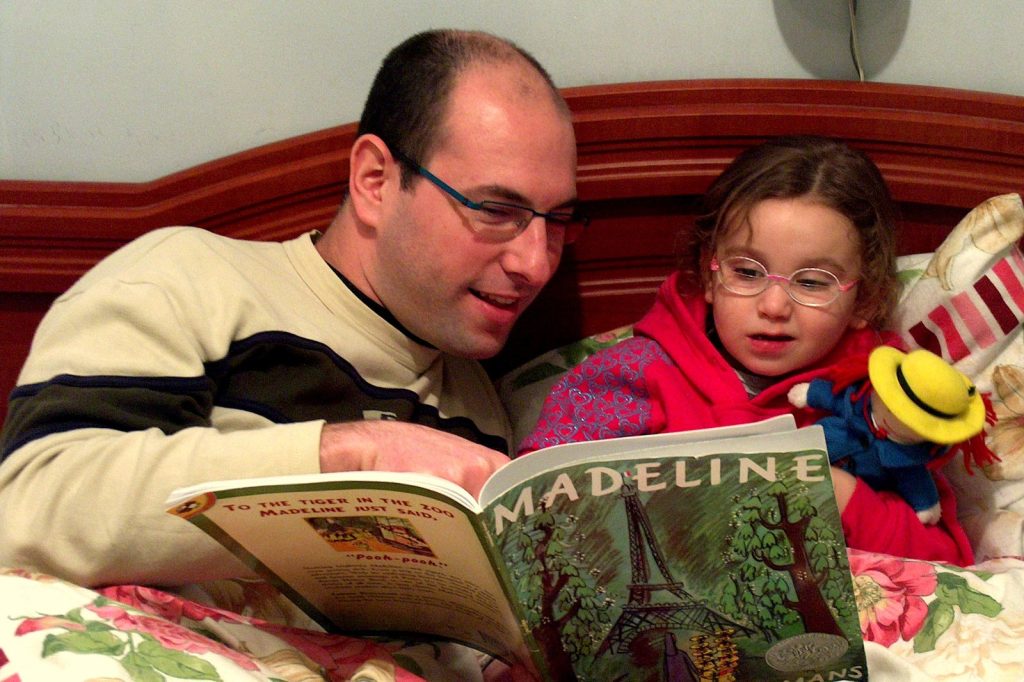
You do not have to finish a chapter every night. A single page read with expression creates a comforting rhythm.
Beyond building language skills, shared reading becomes a ritual children associate with warmth, closeness and calm. Many adults cannot recall every story they heard, but they remember the feeling of being read to. Early findings from child development research suggest that these small, repeated moments build a foundation of security that children carry with them.
The good news is that parents do not need to be perfect or have elaborate routines. Five minutes of focused attention, a thoughtful question, or a single page from a favourite book can be enough.
For parents who want to try these habits, the evidence is reassuring: consistency matters more than duration. The bedtime ritual that children remember decades later is often the one that made them feel seen, safe, and loved. As always, parents should talk to their doctor or a child development specialist if they have concerns about their child’s sleep or emotional wellbeing.




