
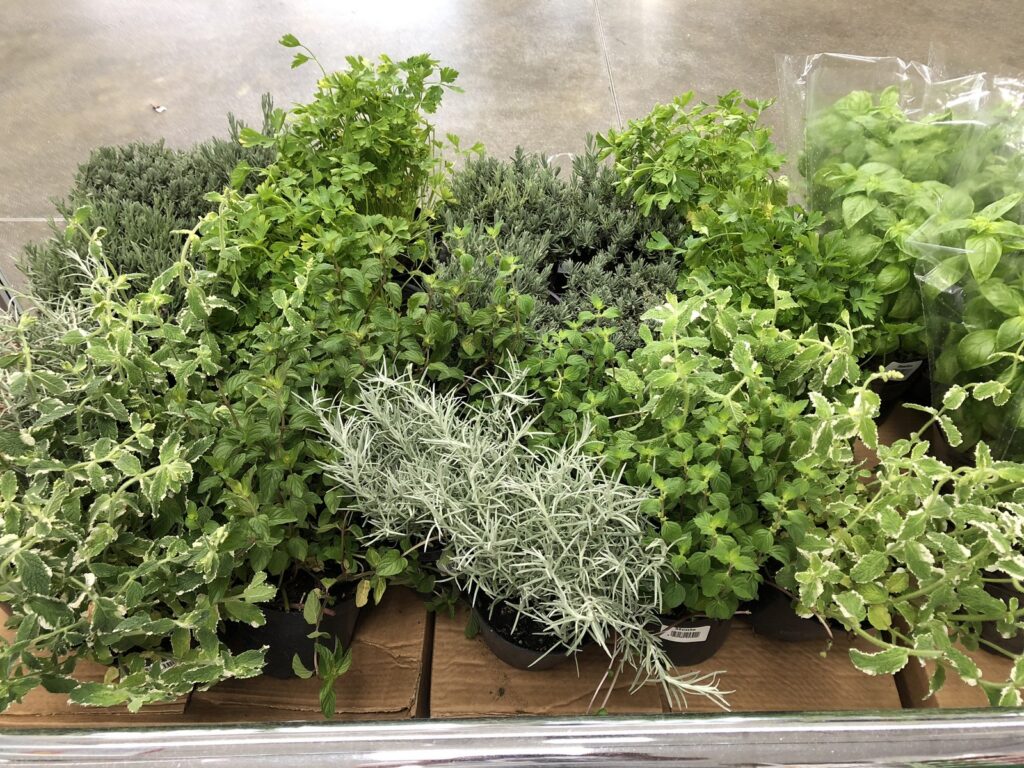
Seattle, October 4 The story begins with a simple idea: transforming everyday household items into thriving herb gardens. For those with limited space or budgets, the prospect of growing fresh herbs indoors is no longer a distant dream but a tangible reality. A detailed guide outlines how to build a budget-friendly indoor herb garden using repurposed containers, offering practical steps for those eager to bring a touch of greenery into their homes.
At its heart, the guide recommends selecting compact herb varieties such as basil, mint, parsley, thyme, and chives, which thrive in indoor conditions with adequate light and consistent moisture. These plants are well-suited for small spaces and can flourish even in apartments or offices with minimal outdoor access.
The guide details how to repurpose common household items like glass jars, tin cans, plastic bottles, and wooden crates as planters. It stresses the importance of drainage holes and appropriate sizing for root development, ensuring that the plants have the best chance of growing healthy and strong.
Lighting and Care Tips
Light requirements are addressed by suggesting placement near south-facing windows or using affordable LED grow lights. These lights are positioned to provide the necessary spectrum for plant growth, making it possible to cultivate herbs even in spaces with limited natural light. Watering instructions advise checking soil moisture regularly and avoiding overwatering.
Tips on using saucers to prevent damage to surfaces are included, ensuring that the care routine is both effective and mindful of the environment. The guide also covers fertilization, recommending diluted organic liquid fertilizer every few weeks during active growth periods.
Harvesting techniques are explained to encourage bushier growth, such as pinching off top leaves just above a node.
Benefits and Accessibility
The article highlights the benefits of indoor herb gardens, including improved access to fresh flavors, reduced food waste, and the psychological advantages of indoor gardening. It notes that these gardens can succeed in a variety of settings, making them suitable for urban dwellers and those with limited outdoor space. Looking forward, the guide serves as a valuable resource for home gardeners seeking sustainable, economical ways to grow herbs indoors throughout the year.
It emphasizes universally applicable, low-cost horticultural practices, making it an accessible and practical option for many.




