
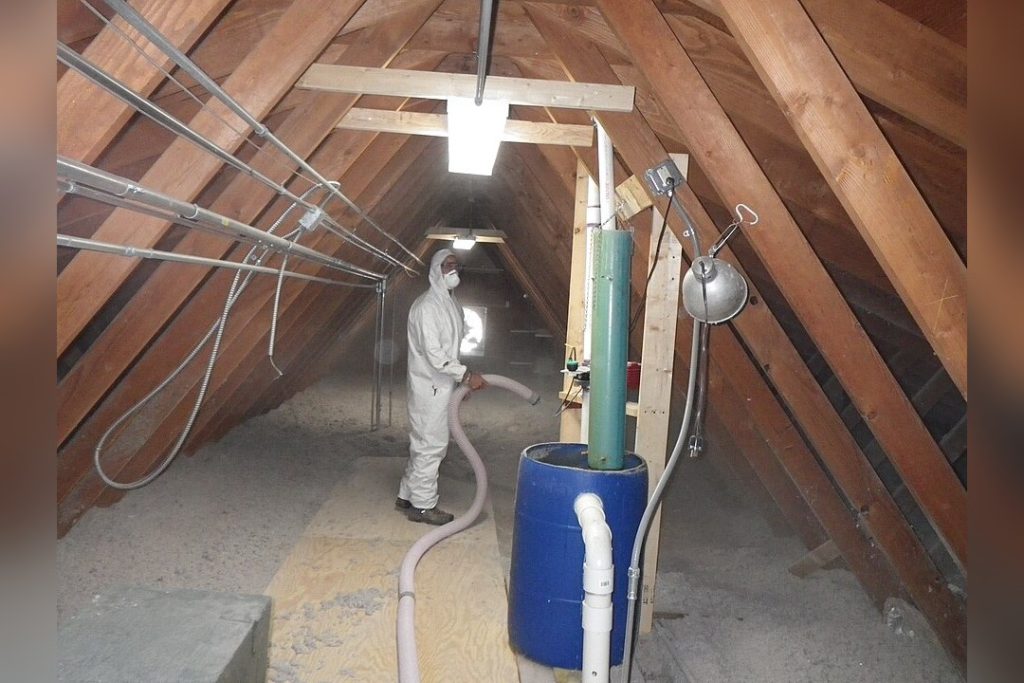
ROME, October 15 — A homeowner in Italy has found an ingenious way to combat the relentless heat of summer, transforming their living space into a haven of comfort with a do-it-yourself attic insulation project. The initiative, undertaken over several months, involved the installation of a radiant barrier and a layer of sintered expanded polystyrene within the existing roof joist depth. The effort, which came at a cost of approximately one thousand euros, was completed at the homeowner’s own pace and without the need for professional assistance.
At its heart, the project was a targeted upgrade aimed at reducing the indoor temperature without the need for expensive renovations. The results were immediate and noticeable, with the homeowner reporting a significant drop in indoor temperatures.
What unfolded was a transformation of the living environment, where the once sweltering home now offers a respite from the summer heat. For those involved, the success of the project was not just a matter of comfort, but also of practicality. The homeowner noted that the temperature inside the house dropped from a stifling level to a more comfortable one, particularly on the hottest days.
This change not only improved the overall living experience but also suggested potential long-term savings on electricity bills by reducing the need for air conditioning. The project’s success was attributed to the use of cost-effective insulation materials and the homeowner’s careful planning.
The work was completed over several months, allowing for a gradual and manageable process. The results were especially noticeable at night, with the homeowner stating that it was now possible to sleep comfortably with the air conditioner running for only a short period, a stark contrast to previous summers when it was nearly impossible to sleep with the AC on. The story highlights the effectiveness of targeted attic insulation upgrades in reducing indoor temperatures and improving energy efficiency.
It offers a practical solution for homeowners looking to stay cool during hot summers without the need for expensive renovations. As the results were shared in a post on a popular online forum, the project has sparked interest among others looking for affordable and effective ways to combat the heat. Looking ahead, the story serves as a valuable example of how small, well-planned upgrades can lead to significant improvements in energy efficiency and comfort.
It underscores the potential for homeowners to take proactive steps in managing their living environments, offering a model that others may find useful in their own efforts to stay cool and reduce energy costs.




