
SEATTLE, October 13 — Amazon announced on October 11, 2026, that it will no longer require nondisclosure agreements when negotiating data center projects with local governments, following Microsoft’s similar move earlier in the year. The decision was discussed on the TechCrunch Equity podcast by hosts Sean O’Kane, Rebecca Bellan, and Anthony Ha, who examined the broader implications for industry transparency and community relations.
Sean O’Kane pointed to historical secrecy in negotiations, citing Uber’s use of NDAs in the mid-2010s to secure tax subsidies in a city outside Orlando as an example of how confidentiality can enable companies to request additional concessions beyond original agreements. He argued that such practices have eroded public trust and fueled backlash against data center developments.
Rebecca Bellan expressed skepticism about the effectiveness of recent moratoriums on data center construction, noting that bans in places like San Francisco typically last only one or two years, while full buildouts often take two to five years due to zoning, funding, and regulatory delays. She suggested that short-term pauses may not meaningfully alter long-term industry trajectories. Anthony Ha referenced a one-year moratorium on large project permits in New York, which aligns with the state’s environmental review process expected to take approximately a year.
He observed that such moratoriums are frequently framed as temporary studies to allow for future approval, and acknowledged that ending NDAs alone is unlikely to immediately sway opponents, especially amid heightened rhetoric from public figures like Donald Trump and David Sacks.
Under the Hood: How Data Centers Operate and Why Location Matters
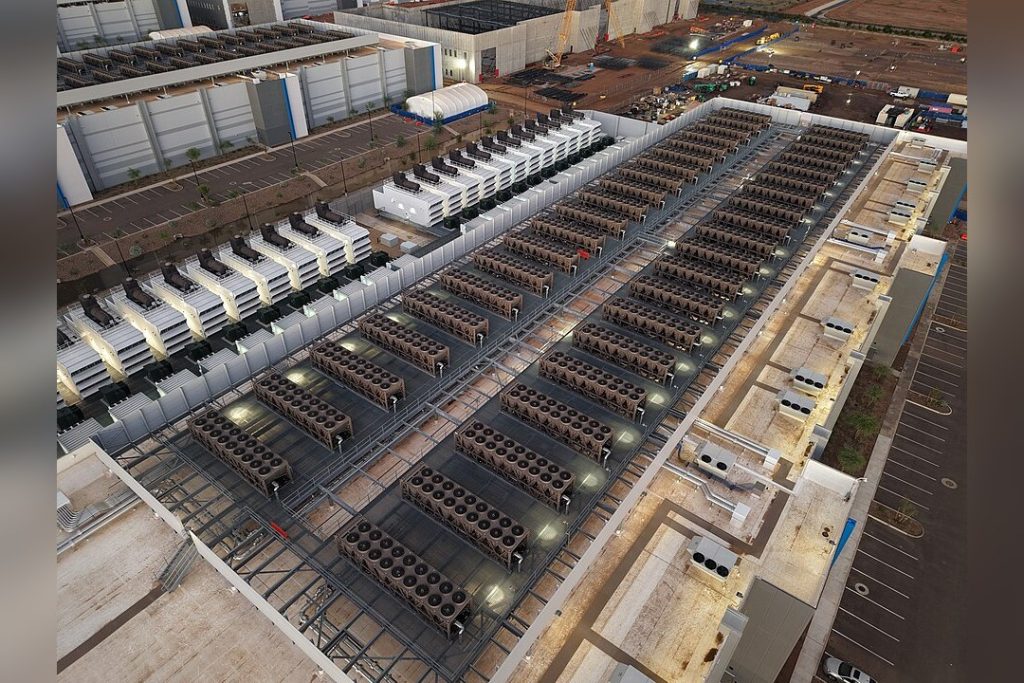
Data centers are physical facilities housing computer systems, storage, and networking equipment essential for processing, storing, and transmitting digital information. They range from enterprise-owned on-premises setups to hyperscale cloud facilities operated by providers like Amazon Web Services and Microsoft Azure, which serve global customers via internet connections. These sites require constant power, cooling, and security to maintain optimal conditions for servers and related infrastructure.
The technical reality of modern data centers includes vast arrays of servers connected by miles of high-speed fiber-optic cabling, with the largest facilities spanning millions of square feet. Their operation demands significant electricity, contributing to local grid loads and raising concerns about utility costs and resource consumption, particularly in regions where water is used for cooling systems.
As Ever, the Detail That Matters: Precedent and Public Response
Past opposition to data center projects has centered on property values, rising electricity bills, and water usage, especially in communities already strained by infrastructure demands. The podcast hosts agreed that while ending NDAs improves transparency, the industry still faces a challenge in clearly communicating the economic and technological benefits of data centers to skeptical local populations. According to established records, data centers have been a growing component of the U.S. economy, contributing an estimated $486 billion to GDP and supporting 4.2 million jobs in 2021.
Their role in enabling cloud computing, artificial intelligence training, and enterprise IT operations has expanded alongside increasing demand for digital services, making their integration into local economies a persistent point of negotiation and debate.




