
NEW DELHI — A 15-hour AI skill module is available from Class VI. NCERT textbooks for Class XI already contain artificial intelligence content. CBSE offers AI as an optional subject from Class IX through XII.
India’s National Education Policy and National Curriculum Framework have officially integrated AI into school curricula starting with Grade 9. None of that matters in a classroom with cracked plaster, a dead smart board covered in dust, and no internet.
The Ministry of Education has done the paperwork. CBSE and NCERT have written the syllabus. The policy framework is in place.
But policy does not plug a generator into a school that gets four hours of electricity a day. Curriculum does not install a fiber optic cable in a village where the nearest tower is 20 kilometers away.
This is the structural fracture at the heart of India’s education system. Two sets of children are being prepared for two entirely different futures, and the government’s own integration of AI into the national curriculum is the mechanism that makes the division official. In Tier-1 metros, the new academic year means automated personalized learning modules.
It means smart boards. It means pilot programs with global tech companies testing Large Language Models in daily teaching. Students in these schools will learn with AI, about AI, and eventually work in the industries AI is reshaping.
Cross the city limits. Go to rural India or a Tier-3 town.
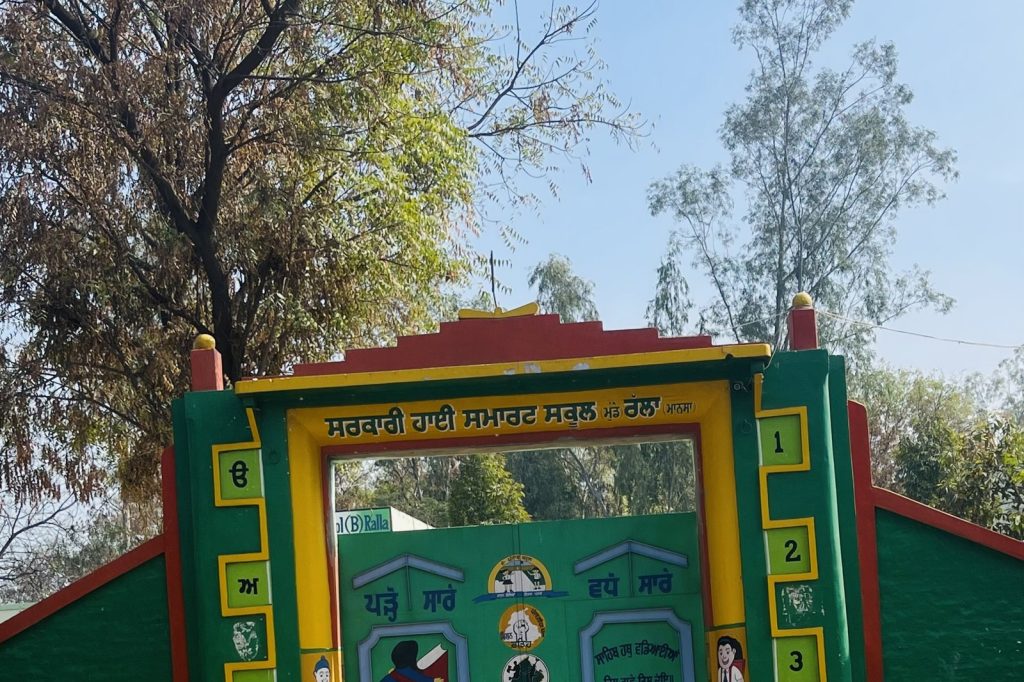
School reopening means returning to a building where the basic amenities are a struggle. Intermittent electricity. No internet connectivity.
Hardware that was installed years ago and never maintained, now gathering dust. The 15-hour AI module, the optional subject, the NCERT content — none of it reaches those desks.
The numbers tell the story. India’s macroeconomic indicators show a digital renaissance. The country is producing engineers, tech entrepreneurs, AI researchers.
The global narrative is about India’s tech rise. But the reality on the ground is a deep-seated educational disparity that the new AI curriculum does not close. It widens.
One set of children gets personalized learning algorithms. The other gets cracked plaster.
Both are in the same country. Both are supposed to be studying the same national curriculum. But the infrastructure gap means that curriculum exists in two separate realities.
The Ministry of Education has integrated AI into school curricula across India. That is the official statement.
But integration on paper is not integration in practice. A policy that assumes connectivity, electricity, and functional hardware is a policy written for one India. The other India — the one where schools struggle for basic amenities — is left to absorb the same curriculum without the tools to teach it.
This is not a temporary problem. It is a structural one. The demographic dividend that India talks about — the young population that is supposed to drive economic growth — is being split into two distinct economic castes before those children even finish school.
One caste gets AI fluency and global employability. The other gets a syllabus that assumes technology that does not exist in their classroom.
The textbooks are printed. The modules are designed. The policy is in place.
But the schools in rural and Tier-3 India lack the basic infrastructure to deliver what the curriculum demands. The gap between policy and reality is not a crack.
It is a chasm.
{“@context”: “https://schema.org”, “@type”: “NewsArticle”, “headline”: “AI curriculum exists in policy but faces barriers in poorly equipped classrooms”, “description”: “NEW DELHI — A 15-hour AI skill module is available from Class VI. NCERT textbooks for Class XI already contain artificial intelligence content. CBSE offers…”, “datePublished”: “2026-06-18T08:30:00+00:00T09:30:00+00:00”, “author”: {“@type”: “Person”, “name”: “Ethan Smith”}, “publisher”: {“@type”: “Organization”, “name”: “InfoPulse Today”, “url”: “https://newsfeed.infopulsetoday.com/”}}




