
Austin, October 7 — The story begins with a simple idea: a backyard can become a lifeline for pollinators when planted with native species. What unfolded over the past year in gardens across the United States is a quiet but growing movement rooted in science and stewardship. At its heart are homeowners choosing plants that belong to their region, not just for beauty, but for function.
Creating a pollinator-friendly garden using native plants is a proven method to support biodiversity, conserve water, and reduce yard maintenance, according to horticultural research and extension services across the United States. Native plants, which are species naturally occurring in a specific region, require less irrigation, fertilizer, and pesticide use once established, making them ideal for low-maintenance landscaping.
The process begins with site assessment: evaluating sunlight exposure, soil type, and drainage to select appropriate native species. For example, in the Midwest, purple coneflower (Echinacea purpurea), black-eyed Susan (Rudbeckia hirta), and butterfly weed (Asclepias tuberosa) are recommended for full sun and well-drained soil, while in the Pacific Northwest, Oregon grape (Mahonia aquifolium), red-flowering currant (Ribes sanguineum), and western bleeding heart (Dicentra formosa) thrive in partial shade.
Planting timelines vary by region but generally follow seasonal patterns: in USDA hardiness zones 3-5, spring planting (April to early June) is optimal for perennials to establish before winter; in zones 6-8, fall planting (September to October) allows root development during cooler months; in zones 9-11, planting can occur year-round with avoidance of peak summer heat. Cost estimates for establishing a 100-square-foot native pollinator garden range from $150 to $400 USD, depending on plant selection, soil amendments, and whether plants are purchased as seeds, plugs, or mature specimens.
Seed mixes for native pollinator gardens typically cost $20 to $50 USD per packet covering 100-200 square feet, while individual native perennial plugs average $3 to $8 USD each. Research from the University of Delaware’s Department of Entomology and Wildlife Ecology shows that gardens with 70% or more native plant cover support up to 35% more pollinator species and 2.5 times more native bee abundance compared to conventional lawns.
The Xerces Society for Invertebrate Conservation reports that native plants provide four times more pollen and nectar resources for native bees than non-native ornamentals. Water conservation benefits are significant: once established, native plant gardens require up to 50% less irrigation than traditional turf lawns, according to the Environmental Protection Agency’s WaterSense program. Additionally, these gardens reduce stormwater runoff and erosion due to deeper root systems of native species.
Maintenance after establishment is minimal: native gardens typically need only annual cutting back in late winter or early spring, occasional weeding during the first two years, and no fertilization. The National Wildlife Federation’s Certified Wildlife Habitat program has certified over 250,000 gardens nationwide as of 2023, many featuring native plantings for pollinators.
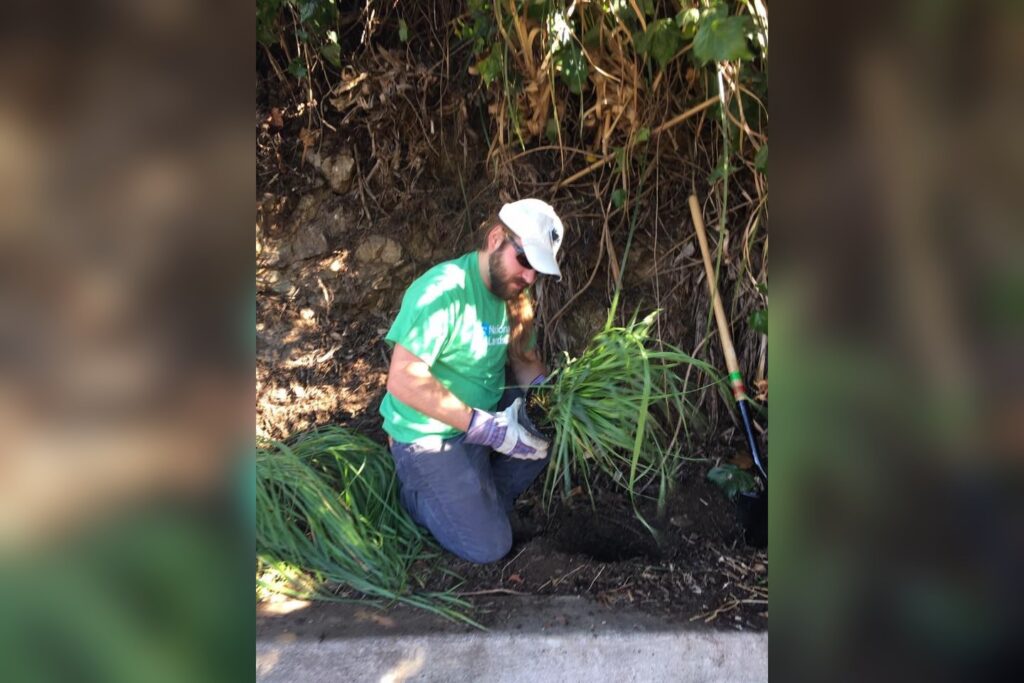
Key organizations providing region-specific native plant guides include the Lady Bird Johnson Wildflower Center in Austin, Texas, which maintains a searchable database of over 9,000 native species, and the Native Plant Society chapters in each state. The guide emphasizes avoiding cultivars labeled as ‘nativars’ when possible, as some may offer reduced ecological value compared to straight species natives. Proper planting technique includes loosening roots before planting, placing plants at the same depth as in their containers, and watering deeply after planting to eliminate air pockets.
Mulching with native leaf litter or shredded hardwood helps retain moisture and suppress weeds without inhibiting ground-nesting bees. The approach supports not only bees and butterflies but also beneficial insects like lady beetles and lacewings, which contribute to natural pest control.
By following these steps, homeowners can create ecologically functional landscapes that require less time, water, and chemical input while contributing to regional conservation efforts.




