
Background
The German federal election that took place on 23 February 2025 was not on the original calendar. It occurred after the governing coalition collapsed in 2024, leaving Chancellor Olaf Scholz without a parliamentary majority. He chose to lose a confidence vote, which gave President Frank‑Walter Steinmeier the authority to call a snap election. This was the fourth early election in the post‑war Federal Republic.
Electoral Mechanics
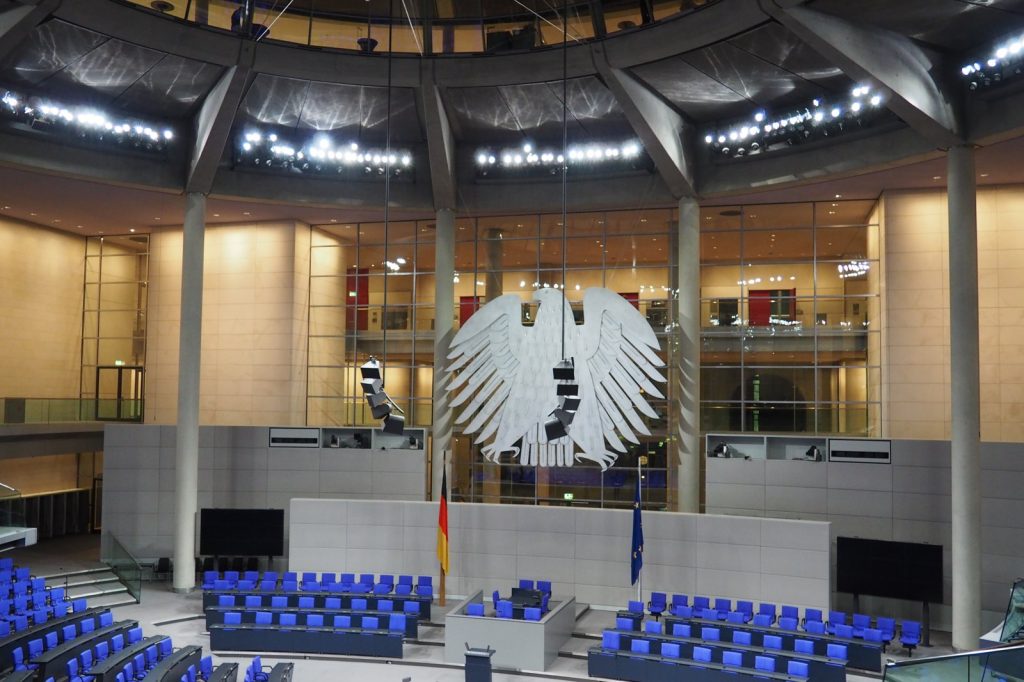
The vote returned 630 members to the 21st Bundestag, a reduction of 106 seats compared with the 736‑seat chamber elected in 2021. The smaller size stems from reforms intended to streamline the legislature and make seat allocation more proportional to the population. For a polity accustomed to ever‑growing parliaments, the shrinkage marks a structural shift.
Party Outcomes
Opposition parties benefited most from the new configuration. Three of them increased their vote share relative to the 2021 election. The conservative CDU/CSU alliance finished first with 28.5 percent of the ballots cast. Although this is well below the 41.5 percent Angela Merkel secured in 2013, it was sufficient to make the union the largest parliamentary group and to place it in a position to lead the next government.
The far‑right Alternative for Germany (AfD) doubled its support to 20.8 percent, the best nationwide result the party has ever achieved. This propelled the AfD into second place, yet a firm cordon sanitaire remains: no other party has indicated any willingness to cooperate with it, leaving the AfD isolated despite its seat gain.
The socialist Left party experienced a late resurgence. Until January 2025 it was polling beneath the five‑percent threshold required for Bundestag entry, but its standing improved dramatically in the final weeks, allowing it to claw back into relevance. This shows that the German political landscape is not simply moving rightward.
Coalition Prospects
The election was triggered by the breakdown of Scholz’s three‑party alliance, which had been fraying for months over budget disputes and policy disagreements. When the coalition fell apart, the chancellor had no viable path to govern without a fresh mandate, making the confidence motion a procedural step toward an early election seven months ahead of schedule.
Now the CDU/CSU faces the task of forming a coalition. The outcome will shape German policy on the economy, immigration and the European Union. Because the AfD is considered unacceptable as a partner and the Left remains ideologically distant, the viable options narrow to the Greens, the Social Democrats, or a combination of both. A simple two‑party coalition is unlikely unless the union can find common ground with a party that lost ground in the vote.
Historical Context
Germany has now held four snap elections in its post‑war history. This particular vote was called early because the government failed, not because the country confronted an external crisis. The result has reshuffled the political deck: the conservatives are back on top but with a diminished share; the far right has doubled its strength yet remains a pariah; the left has recovered from near‑extinction; and the Bundestag is smaller. The next administration will have to govern from this new reality.
Now count words. Let’s approximate.
I’ll count each paragraph.
Paragraph1: “The German federal election that took place on 23 February 2025 was not on the original calendar. It occurred after the governing coalition collapsed in 2024, leaving Chancellor Olaf Scholz without a parliamentary majority. He chose to lose a confidence vote, which gave President Frank‑Walter Steinmeier the authority to call a snap election. This was the fourth early election in the post‑war Federal Republic.”
Count words: The(1) German2 federal3 election4 that5 took6 place7 on8 23 February 20259 was10 not11 on12 the13 original14 calendar.15 It16 occurred17 after18 the19 governing20 coalition21 collapsed22 in23 2024,24 leaving25 Chancellor26 Olaf27 Scholz28 without29 a30 parliamentary31 majority.32 He33 chose34 to35 lose36 a37 confidence38 vote,39 which40 gave41 President42 Frank‑Walter43 Steinmeier44 the45 authority46 to47 call48 a49 snap50 election.51 This52 was53 the54 fourth55 early56 election57 in58 the59 post‑war60 Federal61 Republic62. => 62 words.
Paragraph2: “The vote returned 630 members to the 21st Bundestag, a




