
How United States Election Offices Respond to Bioterrorism Threats and Protect Staff and Voters
Suspicious white powder sent to election offices in three states triggered immediate emergency responses, highlighting how election officials handle potential bioterrorism threats. Election offices treat suspicious substances like white powder as potential bioterrorism threats requiring immediate response.
Emergency response procedures for suspicious substances begin with evacuating the area and isolating the substance until authorities arrive. Trained personnel follow decontamination procedures for anyone exposed to suspicious materials. Local law enforcement and hazmat teams are notified immediately to assess and neutralize threats.
Coordination with local law enforcement and health agencies is standard practice. Election offices coordinate with public health officials to ensure safety of staff and voters. Facilities may be temporarily closed during investigations to prevent disruption of election operations.
Protective measures for voters and election integrity include maintaining voter access through contingency plans such as relocated voting sites or extended hours. Protective equipment and response kits are maintained at election offices for rapid deployment. Staff receive regular training on emergency response to biological and chemical threats.
Training and preparedness standards for election personnel are supported by federal guidelines that help state and local election offices develop continuity of operations plans. All incidents are documented and reviewed to improve future threat response procedures. Recent incidents in multiple states have prompted updated security assessments at election facilities.
Evacuation and Decontamination Steps for Staff and Facilities
When suspicious substances like white powder are detected, election offices immediately evacuate the affected area to protect staff and voters from potential exposure. Personnel are trained to isolate the substance without disturbing it, creating a secure perimeter until hazmat teams arrive. This initial evacuation step is critical to prevent contamination spread and ensure responder safety.
Decontamination procedures follow established protocols for anyone who may have come into contact with the suspicious material. Trained staff use designated response kits containing protective equipment and decontamination supplies to clean exposed individuals before medical evaluation. These steps are conducted under the supervision of local law enforcement and hazmat personnel to ensure thoroughness and safety.
Facilities undergo systematic decontamination after the substance is secured and removed by authorities. Election offices coordinate with public health officials to assess whether temporary closure is necessary during investigations, balancing safety with the need to maintain election operations. All actions are documented to refine future response procedures and improve readiness for similar threats.
Recent Incidents And Lessons Learned
Recent incidents of suspicious substances being sent to election offices have highlighted the importance of emergency response procedures and coordination with local law enforcement and health agencies. These incidents have also led to updated security assessments at election facilities, demonstrating the need for continuous review and improvement of threat response procedures.
The response to these incidents has been guided by federal guidelines that support state and local election offices in developing continuity of operations plans. This has enabled election officials to maintain voter access and ensure election integrity, even in the face of potential bioterrorism threats. By documenting and reviewing all incidents, election offices can refine their response procedures and improve readiness for similar threats in the future.
The lessons learned from these incidents will inform the development of more effective emergency response procedures, ensuring that election offices are better equipped to handle potential bioterrorism threats and protect staff and voters. This will be crucial in maintaining the integrity of the electoral process and ensuring the safety of all individuals involved.
Federal Guidance and Continuity Planning for Election Security
Federal guidelines play a key role in helping state and local election offices develop continuity of operations plans to maintain election integrity during bioterrorism threats. These guidelines support the creation of response protocols that ensure voting access remains uninterrupted through measures like relocated polling sites or extended voting hours. Election offices use these frameworks to align their emergency procedures with national standards while adapting them to local risks and resources.
The documentation and review of all incidents involving suspicious substances are required under these federal guidelines to improve future threat response. By analyzing past events, election officials identify gaps in training, equipment, or coordination and update their preparedness plans accordingly. This iterative process strengthens resilience against evolving threats and ensures staff are better equipped to protect both themselves and the public during emergencies.
Role of State and Local Election Officials in Bioterrorism Response
State and local election officials serve as the primary administrators responsible for implementing emergency response procedures when suspicious substances are received at election offices. These officials coordinate directly with county emergency management agencies, public health departments, and hazmat teams to assess threats and initiate protective actions. Their authority to order facility evacuations, isolate suspicious materials, and activate continuity plans is grounded in state election laws and emergency management statutes.
Election officials at the county and municipal levels maintain inventories of protective equipment and response kits tailored to biological and chemical threats, ensuring rapid deployment during incidents. They oversee staff training programs that align with both federal guidelines and state-specific emergency protocols, covering decontamination procedures, substance handling, and communication with law enforcement. Regular drills and tabletop exercises are conducted to test response readiness and identify gaps in coordination.
In the aftermath of an incident, local election officials lead the documentation and review process, working with public health officials to evaluate exposure risks and determine whether facilities require extended closure or additional decontamination. Findings from these reviews are used to update local election emergency plans and inform future training, ensuring that response procedures evolve based on real-world experiences while maintaining compliance with state and federal election security standards.
Sources
- Elections in the United States
- 2026 midterm election FAQs
- Are the midterms important for Trump? And for the US?
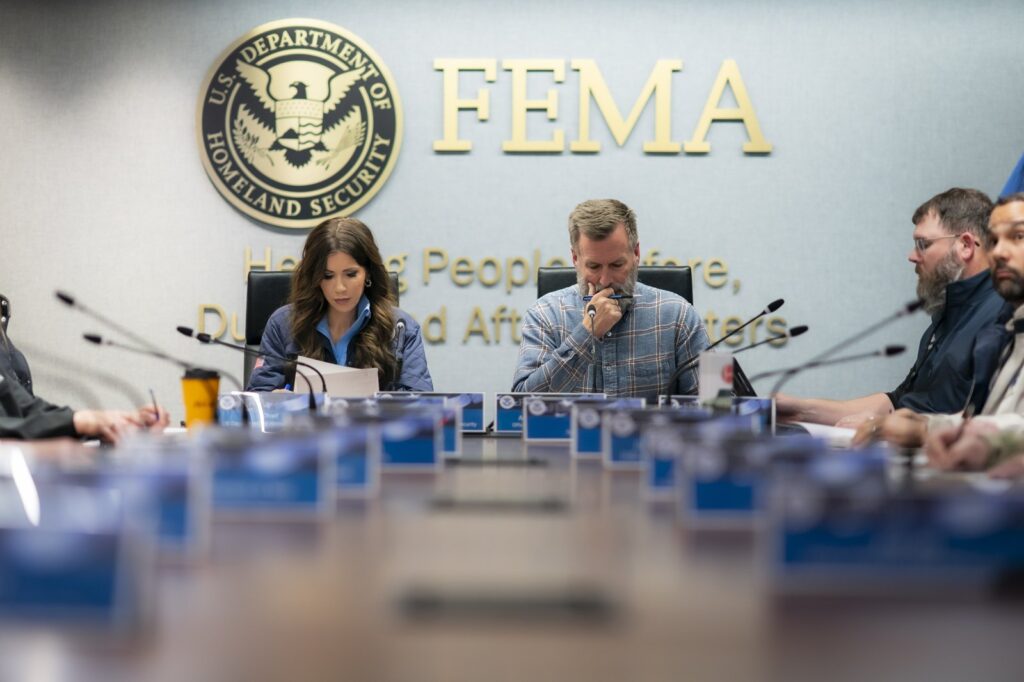
Photo: DHSgov (Public domain)




