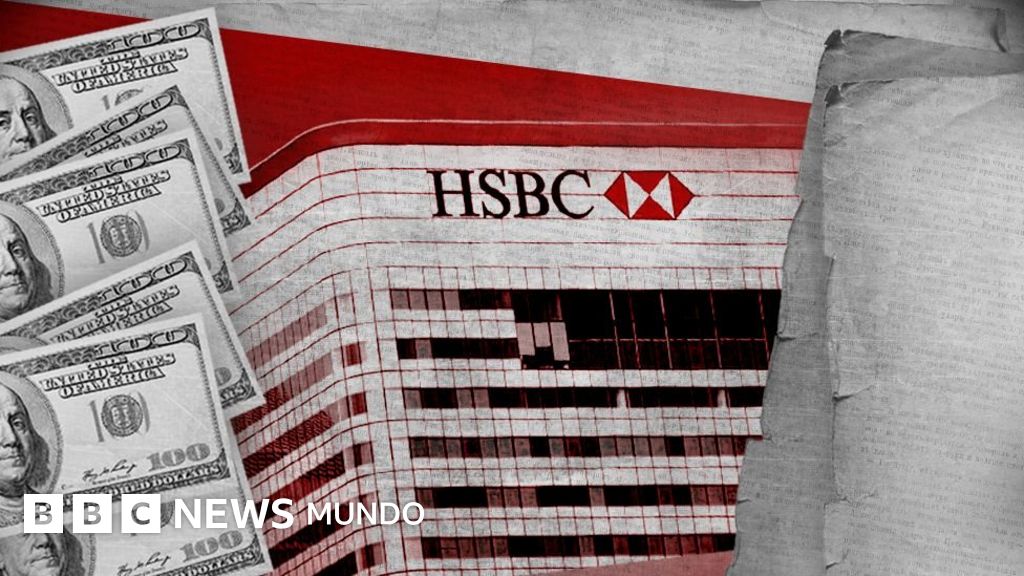
It’s been about 6 years since HSBC was caught moving suspicious money flagged in the FinCEN Files leak, a scandal that shed light on the role of global financial institutions in facilitating money laundering and other fraudulent crimes. According to the Wikipedia source, the FinCEN Files are documents from the U.S. Treasury’s Financial Crimes Enforcement Network (FinCEN) that were leaked to BuzzFeed News and then shared with the International Consortium of Investigative Journalists (ICIJ), and published globally on 20 September 2020. The leaked documents include 2,121 suspicious activity reports (SARs) covering over 200,000 suspicious financial transactions between 1999 and 2017 valued at over US$2 trillion by multiple global financial institutions.
The SARs were generated by financial institutions in more than 170 countries, including HSBC, which played a role in facilitating money laundering and other fraudulent crimes. The BuzzFeed News report concludes that the documents appear to show that both the banks that filed the SARs and FinCEN had this financial intelligence but did little to stop activities such as money laundering. Journalists around the world have criticized both the banks and the US government, with the BBC stating that it shows how the “world’s biggest banks have allowed criminals to move dirty money around the world”.
While HSBC did not receive a headline fine, the bank has faced renewed scrutiny from U.S. and UK regulators. According to Wikipedia, the bank has invested heavily in compliance and has argued that it has taken significant steps to prevent money laundering and other financial crimes. However, critics argue that these efforts have been insufficient, and that the bank’s culture and practices have not changed enough to prevent similar scandals in the future.
Remediation Efforts
In the aftermath of the FinCEN Files leak, HSBC promised to implement significant reforms to its compliance and risk management practices. The bank invested in new technology and hired additional staff to monitor and prevent suspicious transactions. However, some critics have argued that these efforts have been too little, too late, and that the bank has not done enough to address the root causes of the problem. According to Wikipedia, the bank’s remediation efforts have been subject to ongoing monitoring and evaluation by regulators, who have expressed concerns about the bank’s progress in addressing these issues.
Despite these criticisms, HSBC has argued that it has made significant progress in improving its compliance and risk management practices. The bank has pointed to investments in new technology and staff, as well as changes to its culture and practices, as evidence of its commitment to preventing money laundering and other financial crimes. However, the fact remains that the bank was caught moving suspicious money flagged in the FinCEN Files leak, and that it has faced renewed scrutiny from regulators as a result.
The FinCEN Files leak has been widely recognized as a major scandal, and one that has significant implications for the global financial system. As Wikipedia notes, the leak has shed light on the role of global financial institutions in facilitating money laundering and other fraudulent crimes, and has raised important questions about the effectiveness of regulatory oversight and the need for greater transparency and accountability in the financial sector.
In conclusion, the scandal surrounding HSBC’s involvement in moving suspicious money flagged in the FinCEN Files leak deserves to be remembered as a significant event in the history of the global financial system. While the bank has faced renewed scrutiny from regulators and has invested in compliance and risk management practices, the fact remains that it was caught engaging in behavior that facilitated money laundering and other financial crimes. As we look back on this scandal, it is clear that there is still much work to be done to prevent similar scandals in the future, and that ongoing scrutiny and oversight are necessary to ensure that global financial institutions are operating in a transparent and accountable manner.
The historical record of this scandal, as documented on Wikipedia and other sources, serves as a reminder of the importance of transparency and accountability in the financial sector. It highlights the need for ongoing scrutiny and oversight of global financial institutions, and the importance of holding these institutions to account for their actions. As we move forward, it is essential that we remember the lessons of the past and work towards creating a more transparent and accountable financial system, one that is better equipped to prevent money laundering and other financial crimes.