
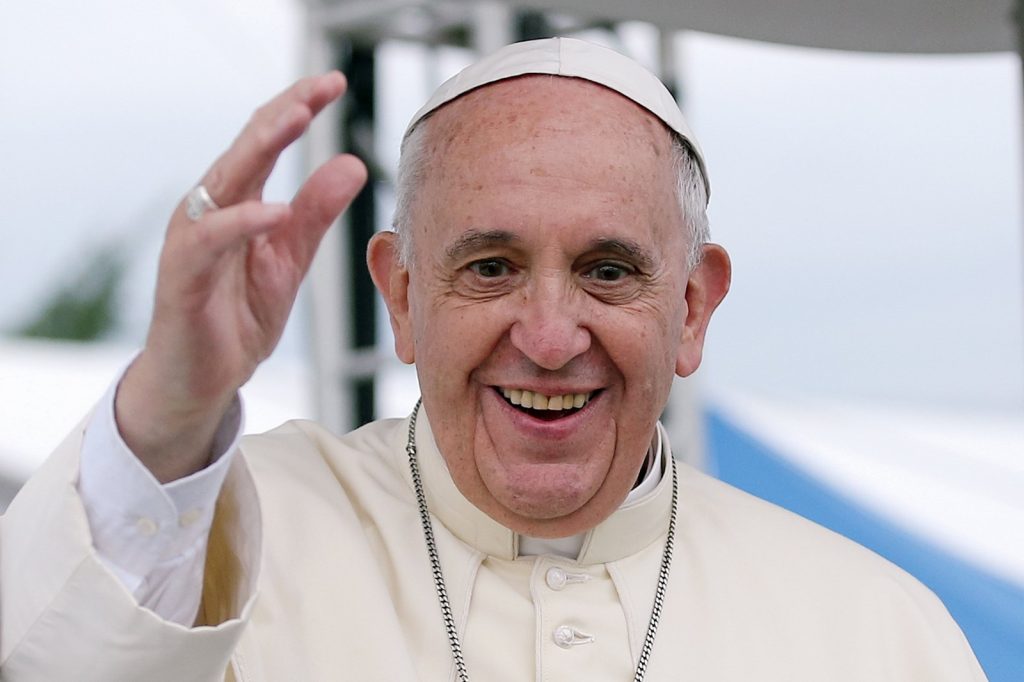
WASHINGTON, June 27 — The intersection of artificial intelligence and liberal education poses a profound challenge to how we think about learning itself, a prominent Catholic leader recently argued, warning that the rise of AI threatens to erode the very habits of mind that a liberal education is meant to cultivate. Speaking at a mid-April dinner at a D.C. think tank, the leader offered remarks on education and artificial intelligence that have drawn fresh attention in recent weeks.
He observed that constantly improving AI platforms perform wonders answering complex questions, but noted that the technology does not engage in the kind of deep, personal reflection that defines genuine learning. “The encouraging part,” the leader said, is that liberal education remains the best defense against the shallow thinking that AI can encourage.
He described the liberal arts as a tradition that “forms people who can think for themselves, who can question, who can wonder.” Early findings from educators who have studied AI in the classroom suggest that students increasingly turn to chatbots for answers rather than wrestling with difficult material themselves. The leader warned this tendency could undermine the patient, iterative process of forming a mind capable of judgment. Patients should not assume that more powerful AI tools will automatically make them better thinkers, he suggested.
The real work of education, he argued, requires the kind of struggle that no algorithm can replicate. The leader’s comments arrive at a moment when American universities are grappling with how to respond to the rapid spread of generative AI.
Some institutions have banned its use; others have embraced it as a teaching tool. The leader’s intervention tilts toward caution, though he stopped short of calling for outright prohibition. What makes his remarks notable is that they come from a figure who has consistently engaged with questions of technology and human dignity.
The leader has previously warned about the dangers of a “technocratic paradigm” that reduces human beings to data points. Talk to your doctor about the broader implications of AI for cognitive health, the leader seemed to suggest — though he was speaking metaphorically about the health of the mind itself. Liberal education, he said, is a kind of immune system against intellectual passivity.
What to watch next: whether Catholic universities in the United States will take up the leader’s challenge and reexamine their curricula in light of AI. Some already have.
Others are waiting to see how the technology evolves before making changes. For now, the leader’s message is one of hope tempered by vigilance. He did not offer easy answers, but he did remind his audience that the questions themselves matter.
Consult your own judgment — and your teachers — before outsourcing your thinking to a machine.




