
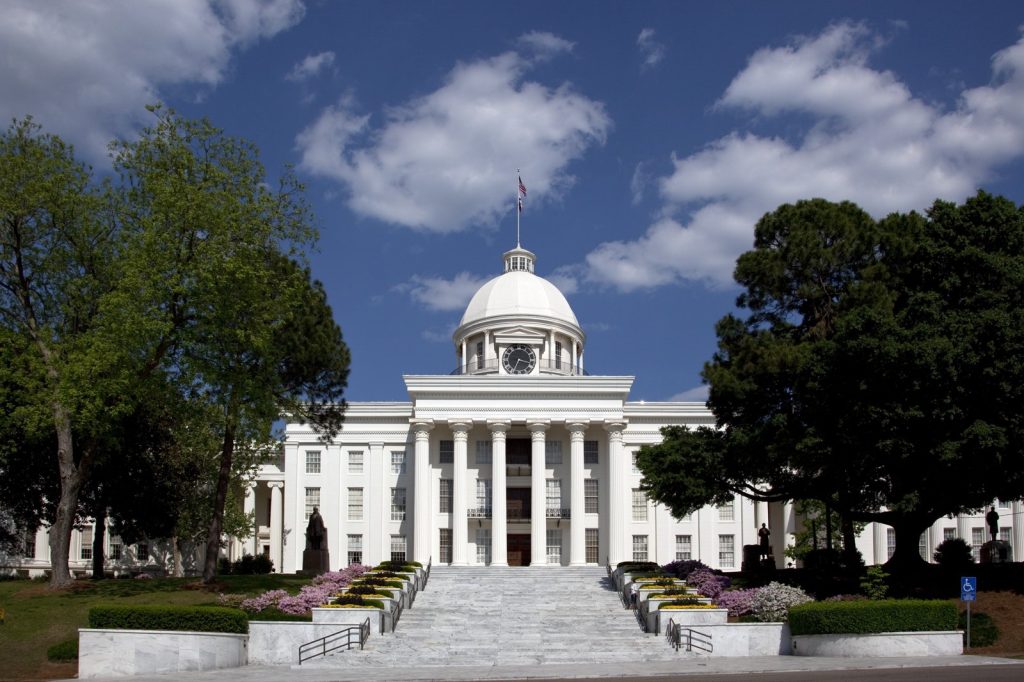
AUBURN, Ala. — Jennifer Brooks, a history professor at Auburn University, had barely unpacked from a trip when she learned that state lawmakers were pushing new legislation that would directly affect how she teaches her classes. The bill, introduced in the Alabama statehouse, is part of a growing national trend of state legislators inserting themselves into the day-to-day operations of public universities. Brooks is not alone.
Across the country, professors and administrators report a sharp rise in proposed laws and formal resolutions aimed at dictating curriculum, restricting certain research topics, and reshaping tenure policies. In plain terms, state lawmakers are increasingly acting like a second board of trustees — one with the power to write binding rules.
The practical upshot for students and faculty is uncertainty. Think of it like a homeowner suddenly finding that a neighborhood association can tell you what color to paint your living room walls. The authority that once felt local and settled now feels contested.
In Alabama, the proposed measure would require public universities to submit annual reports detailing any instruction on “controversial” subjects. Critics say the language is so broad it could apply to everything from a lecture on the Civil War to a discussion of artificial intelligence ethics.
Brooks, who specializes in the history of technology, worries the chilling effect is already underway. “You start second-guessing whether a particular source or example is worth the potential headache,” she told colleagues. The bill’s sponsors argue they are simply ensuring accountability and transparency for taxpayer-funded institutions.
This is not just a Southern story. Lawmakers in at least a dozen states have introduced similar bills this year, targeting everything from diversity programs to academic freedom policies. Some legislation has already passed, effectively giving state officials veto power over certain faculty hires and course offerings.
What to watch next: The Alabama bill is expected to face a committee vote next month. If it passes, Auburn and other public universities in the state will have to scramble to comply — or risk losing state funding.
For professors like Brooks, the question is not just about one law, but about what happens when the line between oversight and interference disappears.
{“@context”: “https://schema.org”, “@type”: “NewsArticle”, “headline”: “State lawmakers increase meddling in public university affairs”, “description”: “AUBURN, Ala. — Jennifer Brooks, a history professor at Auburn University, had barely unpacked from a trip when she learned that state lawmakers were pushing…”, “datePublished”: “2026-06-27 16:54:54T09:30:00+00:00”, “author”: {“@type”: “Person”, “name”: “Erika Johnson”}, “publisher”: {“@type”: “Organization”, “name”: “InfoPulse Today”, “url”: “https://newsfeed.infopulsetoday.com/”}}




