
A Tragic Loss for Taiwan’s Military Leadership in Northern Taipei
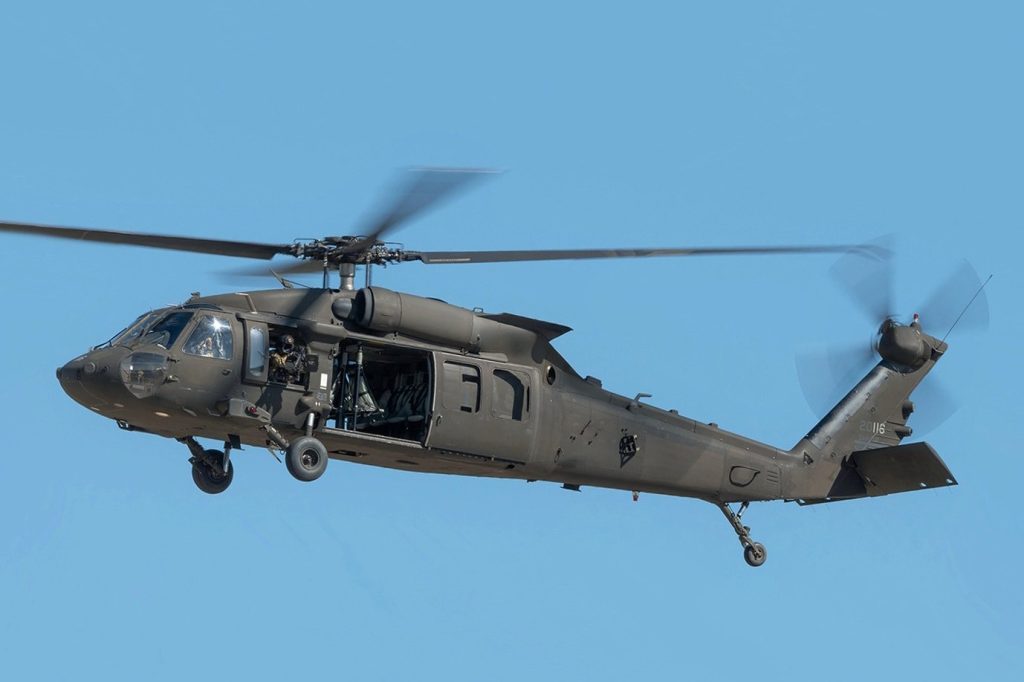
On January 3, 2020, a devastating accident occurred in the mountainous regions of northern Taiwan involving a UH-60M Black Hawk helicopter operated by the Republic of China Air Force. The aircraft, carrying Air Force General Shen Yi-ming and seven other high-ranking defense officials, suffered a crash due to deteriorating weather conditions shortly after departing for a routine mission near Yilan in preparation for the upcoming Chinese New Year. While initial reports indicated that eight individuals were missing, subsequent investigations confirmed the tragic deaths of all eight personnel on board, including General Shen, who had served as the Air Force commander and Deputy Minister of Defense since taking office just the previous year. Five other individuals associated with the mission survived the incident. The Ministry of National Defense released these grim details during a press conference later that afternoon, marking a significant blow to the military leadership of Taiwan at a time when regional tensions remain high.
Uncertainty Surrounding the Crash Site and Cause
The helicopter was reportedly heading toward Yilan when it lost contact with aviation authorities, forcing an emergency landing attempt in a rugged terrain where rescue operations proved difficult. The Ministry of National Defense stated that poor weather conditions were a primary factor contributing to the accident, though the exact cause remains officially unclear as reports were filed. This lack of immediate clarity often leaves families and military observers searching for answers regarding pilot error, mechanical failure, or environmental factors that may have compounded during the flight. In similar incidents involving military aviation, the investigation process can take weeks or even months to determine liability and prevent future occurrences. The location of the crash in a mountainous area added complexity to recovery efforts, delaying the confirmation of fatalities until rescue teams could reach the wreckage and verify the status of those on board.
Official Response from Taipei and Condolences for Families
President Tsai Ing-wen of Taiwan publicly expressed her profound sorrow over the loss of life, issuing a statement through official social media channels to convey the gravity of the situation. In a Facebook post released shortly after the confirmation of deaths, she described General Shen as an outstanding general who had dedicated his service to the nation. She extended her deepest condolences to the families of the victims, acknowledging the immense pain and disruption caused by this sudden tragedy. The President’s remarks reflected the standard protocol for such events within the Republic of China government, emphasizing unity in the face of adversity while offering support to bereaved relatives. This gesture aligns with broader efforts to maintain morale within the armed forces following unexpected losses, particularly among senior leadership whose expertise is critical during times of geopolitical uncertainty.
Impact on Military Structure and Future Operations
The death of General Shen Yi-ming represents a significant void within the command structure of the Taiwan Air Force, given his recent appointment as the 22nd commander and his role as Deputy Minister of Defense. His tenure began only last year, making him a relatively new figure in the upper echelons of military leadership. The sudden loss of such a high-ranking official necessitates a review of operational procedures and may influence future training initiatives aimed at enhancing safety protocols for flight operations in adverse weather conditions. Military Reports note that such incidents often prompt reassessments of risk management strategies, particularly when missions are conducted near mountainous regions or during seasonal weather transitions. The survival of five others involved in the incident offers some hope but also show the need for continued vigilance and technological upgrades to ensure the safety of personnel on similar missions.
Regional Context and Broader Implications
This accident occurs against a backdrop of ongoing cross-strait tensions, with Beijing frequently asserting claims over Taiwan’s sovereignty while Taipei maintains its commitment to self-defense capabilities. The timing of the crash, just ahead of the Chinese New Year holiday, adds another layer of complexity, as military activities often scale back during festive periods yet remain essential for national security. While the incident itself is a domestic tragedy, it does not directly involve cross-strait military engagements or provocations. However, the loss of experienced leadership could indirectly affect Taiwan’s ability to respond to external pressures or internal challenges in the coming months. International observers monitor such events closely, noting that stability within Taiwan’s armed forces is crucial for maintaining deterrence and protecting civilian populations from potential threats.