
Islamabad, Pakistan – October 12, 2026
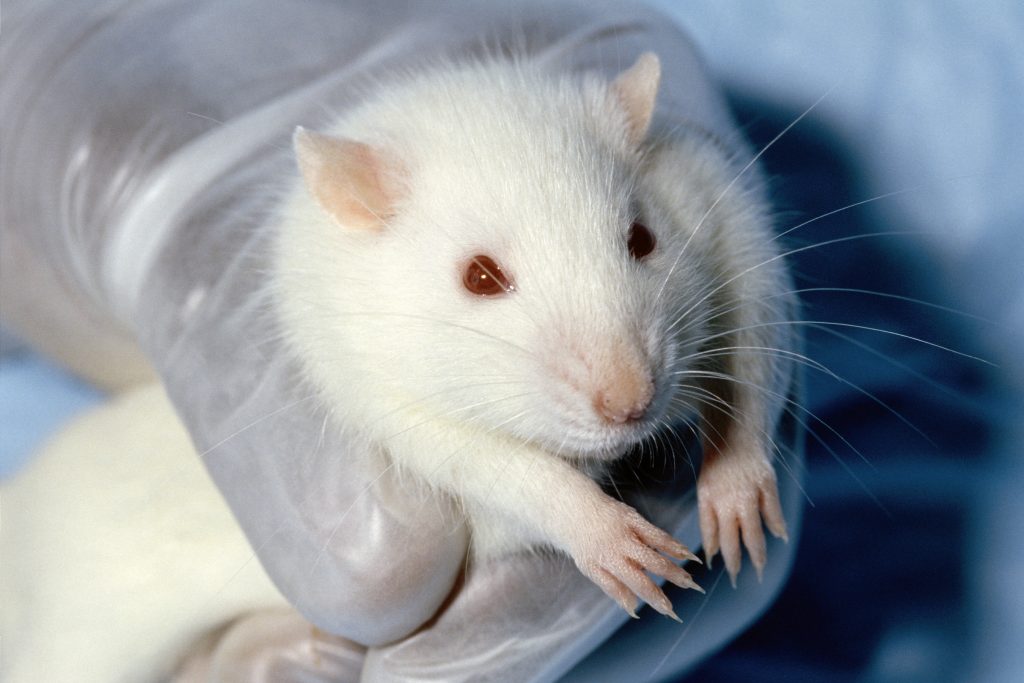
In a significant breakthrough, a recent study published in the journal Cell Metabolism has shown promising results in the realm of weight loss and fat cell management. Researchers at the University of California, Los Angeles (UCLA) conducted an experiment on obese mice, where they attached weights to the tails of the mice and had them climb stairs for seven days. The study, led by Dr. Jennifer Hecek and Dr. David Clark, revealed a substantial reduction in fat cells, belly fat, and fat-making signals, as well as a boost in fat-burning signals.
Dr. Jennifer Hecek, the senior author of the study, said, “Our findings suggest that weight training may change the composition of fat cells, potentially leading to new strategies for weight loss and fat cell management.” The encouraging part is that this occurred before any weight loss was observed on the scale.
The study involved obese mice that climbed stairs for seven days with weights attached to their tails, simulating resistance or weight training. The results showed a decrease in the number of fat cells in the belly region, known as visceral fat, a significant contributor to various health problems like heart disease and diabetes.
Moreover, the study also found a decrease in the production of molecules that promote fat storage, such as ceramides. Simultaneously, there was an increase in molecules that promote fat burning, such as adiponectin. This shift in the balance of fat-making and fat-burning signals could be a crucial step towards understanding weight loss and fat cell management.
Dr. David Clark, the first author of the study, added, “These findings open up new possibilities for developing exercise regimens that can help people lose weight and manage their weight more effectively.”
It is essential to note that this research is still in its early stages and more studies are needed to confirm these findings in humans. However, the potential implications are significant, as it could lead to new strategies for weight loss and fat cell management, potentially reducing the risk of various health problems associated with obesity.
As always, consult your doctor for medical advice before starting any new exercise regimen or weight loss program. The full study can be found in the journal Cell Metabolism.
Consult your doctor for medical advice.




