
Smart glasses raise legal questions as covert recording risks grow
As wearable cameras become harder to detect, U.S. state and federal laws on recording without consent create a patchwork of protections and risks for families.
How Smart Glasses Enable Discreet Recording
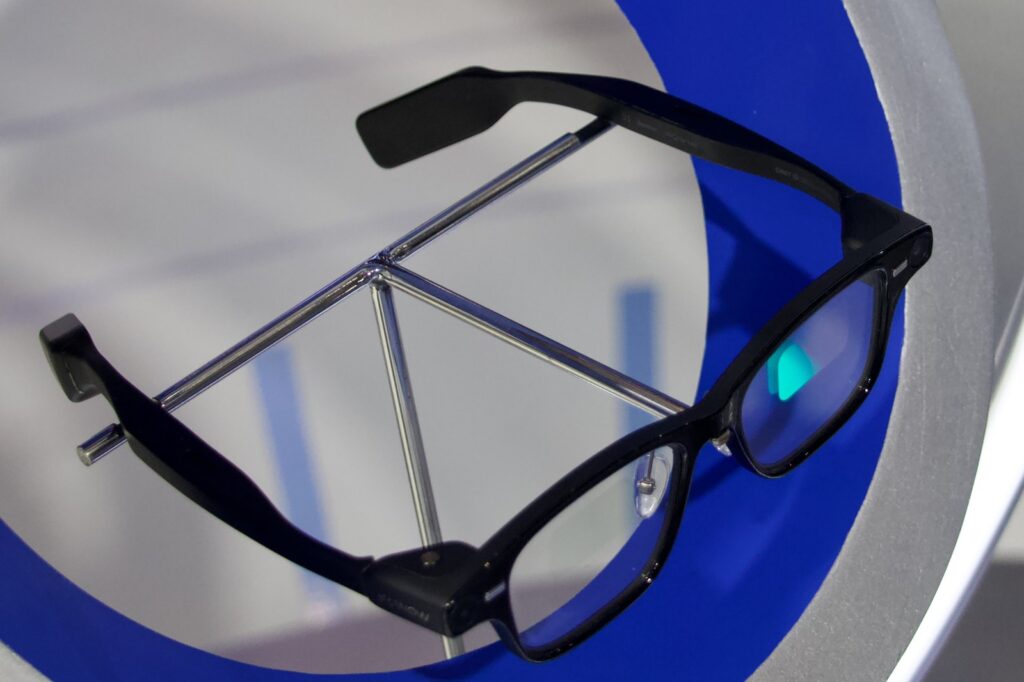
Smart glasses can record video and take photographs discreetly, with indicator lights that can be covered or disabled according to The Guardian. The technology looks like ordinary eyewear, making it difficult to tell when someone may be recording according to Click2Houston. This design allows users to capture images and video without obvious signs, raising concerns in public spaces where privacy expectations vary.
Federal Wiretap Law and Its One-Party Consent Rule
Federal wiretap law allows recording with one-party consent according to Click2Houston. This means that under federal law, a person can legally record a conversation if they are part of it or have permission from one participant. However, this baseline does not apply uniformly across the country, as individual states may impose stricter requirements.
State Variations in Consent Requirements for Recording
Some states require all-party consent for recording, meaning every person involved must agree according to Click2Houston. In Texas, secret recording is not automatically illegal, but state law prohibits certain invasive recordings depending on circumstances according to Click2Houston. These differences create a complex legal environment where the legality of recording with smart glasses depends on location and context.
Legal Risks When Recording Children in Public Spaces
Recording children in places like playgrounds or school events raises specific concerns, as even innocent images could be altered to depict a child in inappropriate or fabricated situations according to Click2Houston. Texas law enforcement received more than 234,000 CyberTipline referrals in 2025, including over 65,000 related to child sexual abuse material according to Click2Houston. While these figures are not specific to smart glasses, they reflect the broader challenges authorities face in combating child exploitation, which wearable technology could exacerbate.
What Parents Can Do If They Suspect Illegal Recording
Child safety experts advise parents to explain that some cameras can be difficult to spot, including those built into ordinary-looking glasses according to Click2Houston. Parents should encourage children to trust their instincts if a situation makes them uncomfortable and to walk away, find a trusted adult, and tell their parents if they suspect inappropriate recording. If parents believe their child has been targeted, they should contact law enforcement for guidance, and call 911 if there is immediate danger according to Click2Houston. The goal is to inform children without causing fear, ensuring they know how to seek help.
Ongoing Investigations and Policy Reviews
In response to growing concerns over covert recording, the UK Parliament is reviewing its policy on camera-equipped smart glasses and other wearable technology within the parliamentary estate, as confirmed by a spokesperson cited in The Guardian. The review aims to address risks posed by devices that can record discreetly, particularly when indicator lights are covered or disabled, which could compromise private discussions involving constituents.
Similarly, Texas Attorney General Ken Paxton has launched an investigation into Meta’s smart glasses over privacy implications, according to Click2Houston. This action reflects heightened scrutiny of wearable cameras in public and private spaces, especially where children may be vulnerable to exploitation through manipulated imagery.
These parallel efforts—one legislative and administrative in the UK, the other legal and enforcement-driven in the U.S.—highlight how governments are beginning to assess and respond to the privacy challenges posed by increasingly inconspicuous recording technologies.
Norway’s Precautionary Approach to Smart Glasses in Sensitive Settings
Norway has considered restrictions on camera-equipped smart glasses in certain public settings, including schools and daycares, according to Click2Houston. This reflects growing concern in Nordic countries about the potential for covert recording in environments involving minors. Norwegian authorities are evaluating whether the discreet nature of such devices undermines existing safeguards around children’s privacy and institutional oversight.
The consideration stems from the ability of smart glasses to capture video and images without obvious signs, particularly when indicator lights are covered or disabled. In settings like classrooms or childcare centres, where consent and supervision are paramount, the risk of unauthorized recording raises significant ethical and legal questions. Policymakers are weighing whether proactive limitations are necessary before widespread adoption increases exposure risks.
While no formal ban has yet been implemented, the discussion in Norway parallels similar scrutiny in the UK and Texas, where legislative and enforcement actions are underway. These developments indicate a broader international trend of assessing how emerging wearable technologies interact with established norms around consent, safety, and public space usage—especially where vulnerable populations are present.
Global Market Growth and Industry Competition
Sales of smart glasses in the United States doubled over the past year, with global shipments reaching 4.2 million units according to research firm Omdia. Another analysis projects the global smart glasses market will grow by more than 24% annually through 2033, driven by increasing demand for hands-free photo and video capture capabilities. This rapid expansion is intensifying competition among major technology companies seeking to establish dominance in the wearable technology space.
Samsung is preparing to launch its Galaxy Glasses in November 2026, featuring a lightweight design of just 41 grams with standard lenses—lighter than the 43-gram Meta Ray-Ban model. The glasses will include a Snapdragon AR1 Gen 1 chip, 2 GB of RAM, 64 GB of storage, a 12 MP camera capable of 3K video at 30 frames per second, and integration with Google Gemini AI on the Android XR operating system. Samsung’s offering will compete directly with Meta’s Ray-Ban smart glasses and Apple’s upcoming AI glasses, which are not expected until 2027.
To broaden appeal, Samsung has partnered with eyewear brands Gentle Monster and Warby Parker to offer six frame styles from Gentle Monster—including squared, rounder, bolder square, cat-eye, slim oval, and regular oval—and three styles from Warby Parker. Lens color options span clear, light blue, gray, brown, black, light gray, pale lilac, burgundy, and cream, with select Warby Parker models featuring pine, dark green, and reddish-brown Saddle tones. These design variations aim to position smart glasses as fashionable everyday wear while maintaining advanced recording and AI functionality.
Sources
- The eyes have it: Reform politician’s ‘smart glasses’ prompt calls for ban in Westminster
- Samsung Smart Glasses Unveiled, and They're Superlight – CNET
- Smart glasses raise child safety concerns as experts warn about hidden cameras
Photo: Xuthoria (CC BY-SA 4.0)




