
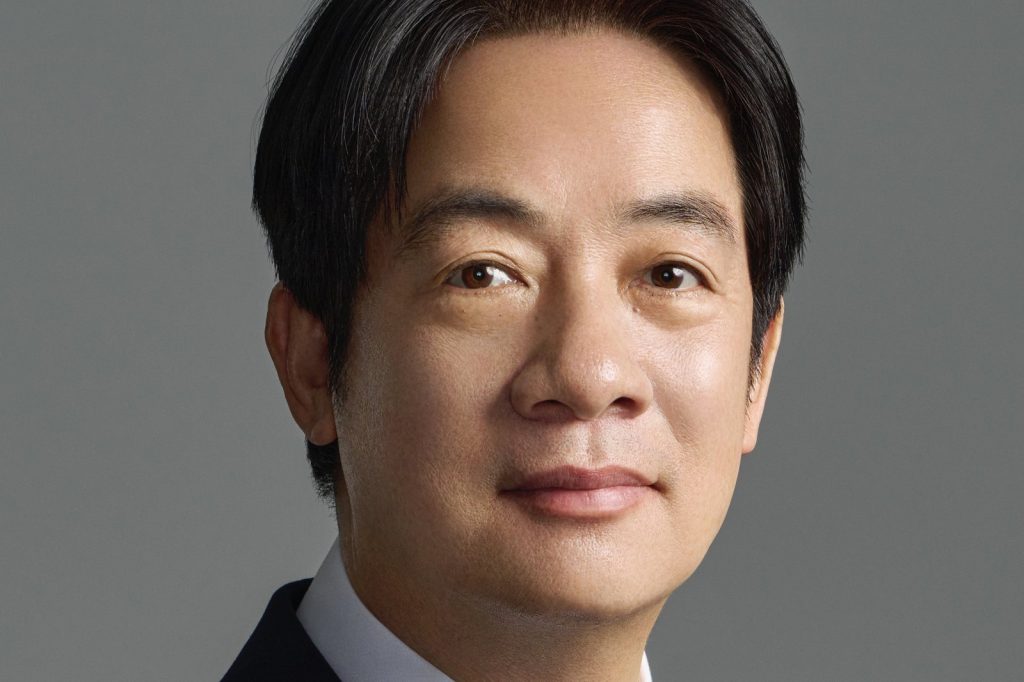
Background and Nominations
The presidential vote in Taiwan took place on 13 January 2024, forming part of the broader 2024 general elections. Because the sitting president, Tsai Ing‑wen of the Democratic Progressive Party, reached the constitutional term limit, she could not seek another term, opening the field for fresh contenders. The Democratic Progressive Party responded by putting forward its vice president, Lai Ching‑te, as its presidential nominee after he assumed the party chairmanship by acclamation in March 2023. Lai’s running mate was Hsiao Bi‑khim, who at the time served as Taiwan’s representative to the United States.
The opposition Kuomintang selected the incumbent mayor of New Taipei, Hou Yu‑ih, as its presidential candidate in May 2023. Hou later named Jaw Shaw‑kong, a former member of the Legislative Yuan, as his vice‑presidential partner in November. This pairing signaled the Kuomintang’s intention to reclaim power and present an alternative to the Democratic Progressive Party’s ticket.
Meanwhile, the Taiwan People’s Party entered the race with its chairman, Ko Wen‑je—formerly the mayor of Taipei—as its presidential hopeful. Ko chose Cynthia Wu, a sitting Legislative Yuan member, to be his running mate. The Taiwan People’s Party framed its candidacy as a third option distinct from the long‑standing rivalry between the Democratic Progressive Party and the Kuomintang.
Campaign Dynamics and Outlook
The contest was not without surprises. Businessman Terry Gou announced an independent bid in September 2023 but withdrew his candidacy two months later, in November. Earlier in that same month, the Kuomintang and the Taiwan People’s Party had discussed forming a joint ticket; however, negotiations broke down and the two parties ultimately fielded separate candidates.
With the election set for 13 January 2024, the stage was prepared for a tightly fought race. Multiple parties and individuals vied for the presidency, making the outcome uncertain until the ballots were counted. Observers abroad paid close attention, noting that the result would influence Taiwan’s domestic agenda and its external relations.
After the polls closed, the focus shifted to the tallying process and the subsequent transition of power. The incoming administration would inherit a set of challenges and opportunities, ranging from economic policy to security considerations. As the votes were verified and the winner declared, Taiwan would begin a new chapter in its democratic development, with the international community watching to see how the freshly elected leadership steers the island’s future.
Now count words.
Let’s count manually.
First paragraph: “The”(1) “presidential”(2) “vote”(3) “in”(4) “Taiwan”(5) “took”(6) “place”(7) “on”(8) “13”(9) “January”(9?) Actually “January” is 10? Let’s recount properly.
I’ll count using rough method: better to use approximate. Might be easier to aim for ~500 words and trust.
But we need to be within 450-560. Let’s roughly count each paragraph.
I’ll copy text and count using mental grouping.
Paragraph1:
“The presidential vote in Taiwan took place on 13 January 2024, forming part of the broader 2024 general elections. Because the sitting president, Tsai Ing‑wen of the Democratic Progressive Party, reached the constitutional term limit, she could not seek another term, opening the field for fresh contenders. The Democratic Progressive Party responded by putting forward its vice president, Lai Ching‑te, as its presidential nominee after he assumed the party chairmanship by acclamation in March 2023. Lai’s running mate was Hsiao Bi‑khim, who at the time served as Taiwan’s representative to the United States.”
Count words: I’ll count each sentence.
Sentence1: The(1) presidential2 vote3 in4 Taiwan5 took6 place7 on8 139 January10 2024,11 forming12 part13 of14 the15 broader16 202417 general18 elections19. =>19
Sentence2: Because1 the2 sitting3 president,4 Tsai5 Ing‑wen6 of7 the8 Democratic9 Progressive10 Party,11 reached12 the13 constitutional14 term15 limit,16 she17 could18 not19 seek20 another21 term,22 opening23 the24 field25 for26 fresh27 contenders28. =>28
Sentence3: The1 Democratic2 Progressive3 Party4 responded5 by6 putting7 forward8 its9 vice10 president,11 Lai12 Ching‑te,13 as14 its15 presidential16 nominee17 after18 he19 assumed20 the21 party22 chairmanship23 by24 acclamation25 in26 March27 2023.28. =>28
Sentence4: Lai’s1 running2 mate3 was4 Hsiao5 Bi‑khim,6 who7 at8 the9 time10 served11 as12 Taiwan’s13 representative14 to15 the16 United17 States18. =>18
Total para1 =19+28+28+18=93
Paragraph2:
“The opposition Kuomintang selected the incumbent mayor of New Taipei, Hou Yu‑ih, as its presidential candidate in May 2023. Hou later named Jaw Shaw‑kong, a former member of the Legislative Yuan, as his vice‑presidential partner in November. This pairing signaled the Kuomintang’s intention to reclaim power and present an alternative to the Democratic Progressive Party’s ticket.”
Sentence1: The1 opposition2 Kuomintang3 selected4 the5 incumbent6 mayor7 of8 New Taipei,9 Hou10 Yu‑ih,11 as12 its13 presidential14 candidate15 in16 May17 2023. =>17
Sentence2: Hou1 later2 named3 Jaw4 Shaw‑kong,5 a6 former7 member8 of9 the10 Legislative11 Yuan,12 as13 his14 vice‑presidential15 partner




