
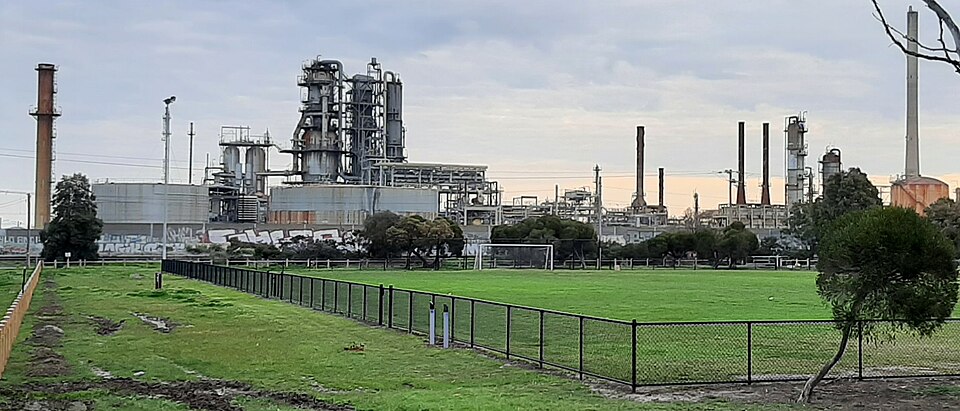
KYIV, October 3 — Ukraine has signaled plans to target Russian oil refineries in response to intensified Russian airstrikes on Ukrainian energy infrastructure, a development that could disrupt global diesel markets if carried out. The announcement comes amid escalating attacks on both sides’ energy facilities since Russia launched its full-scale invasion of Ukraine in February 2022. Ukrainian officials have not disclosed specific refinery targets or timing, but emphasized the response would be proportional to Russian strikes that have damaged power grids and heating systems across Ukraine, particularly during winter months.
Russia has repeatedly attacked Ukrainian oil depots, refineries, and fuel storage sites since 2022, aiming to cripple logistics and military mobility. In turn, Ukraine has increasingly used drones and long-range weapons to strike Russian oil facilities in regions such as Rostov, Volgograd, and Krasnodar, though these operations have been limited in scale compared to Russian offensives.
Global diesel prices are sensitive to disruptions in Russian refining capacity, as Russia is one of the world’s top exporters of diesel fuel, supplying significant volumes to Europe, Brazil, and other regions. In 2021, Russia exported approximately 60 million metric tons of diesel, accounting for nearly 20% of global seaborne diesel trade. Any sustained reduction in Russian refining output due to Ukrainian strikes could tighten global supplies, particularly affecting European markets that have sought to replace Russian pipeline gas with refined products following sanctions.
European diesel prices have already shown volatility due to refinery maintenance schedules and geopolitical risks, with benchmark prices in Northwest Europe fluctuating between $800 and $1,100 per metric ton in late 2023 and early 2024. The potential for reciprocal energy infrastructure attacks raises concerns about broader market instability, though analysts note that Ukraine’s current capabilities limit the scale of damage it can inflict on deeply buried or well-defended Russian refineries.
Both countries have accused each other of violating international norms by targeting civilian energy infrastructure, though neither is a party to treaties prohibiting such attacks in wartime. The International Energy Agency has warned that prolonged conflict in the Black Sea region could exacerbate global energy insecurity, particularly for developing nations reliant on imported diesel for transportation and power generation. As of early 2024, Ukraine has not confirmed conducting large-scale refinery strikes inside Russia, focusing instead on military logistics hubs and air defense systems.
Russian officials have warned that any attack on its energy infrastructure would provoke a severe response, potentially escalating the conflict beyond current frontlines. The situation remains fluid, with both sides continuing to adapt tactics in a war that has now entered its third year, marked by attritional fighting and periodic escalations in long-range strike capabilities.




