PLYMOUTH MEETING, PA., October 28, 2026 — The National Comprehensive Cancer Network (NCCN) has published its first-ever patient guidelines dedicated specifically to cancer caregivers. The free resource addresses the growing complexity of supporting a loved one through treatment while managing separate households, careers, and personal well-being.
The Rising Burden on Modern Cancer Caregivers
Approximately 1 in 4 Americans provided ongoing care for a loved one in the past year, according to data from the AARP and National Alliance for Caregiving cited in the guide’s release. That figure translates to roughly 63 million adults navigating a role that has expanded significantly in scope. The NCCN, an alliance of 34 leading U.S. cancer centers whose clinical guidelines inform health plan coverage globally, noted that at least 70% of these caregivers are balancing their duties with full-time jobs and other responsibilities. Furthermore, 60% live in a separate home from the person they are caring for, adding logistical strain to an already heavy load.
The release arrives just ahead of November, recognized as National Family Caregivers Month. Anthea A. Gray, PsyD, a rehabilitation psychologist at The Ohio State University Comprehensive Cancer Center – James Cancer Hospital and Solove Research Institute, participated in the guide’s development. She told The American Journal of Managed Care that shifting demographics are driving the need for structured support. People are living longer with comorbidities, she noted, while a rising number of younger patients are being diagnosed with cancers previously uncommon in their age groups. These younger patients often have caregivers who are simultaneously managing careers and raising young children, altering the calculus of daily life.
Key Strategies for Balancing Work, Life, and Caregiving
The new guide, titled NCCN Guidelines for Patients: Caregiving for People with Cancer, organizes its advice into five core domains: emotional support, finances, household tasks, legal concerns, and medical management. The medical management section covers assistance with decision-making, administering medications, and performing nursing duties. By codifying these responsibilities, the guide attempts to give caregivers a framework for the “juggling act” Gray described—managing the demands of a household and a job while stepping into a quasi-clinical role.
The structure acknowledges that caregiving is rarely a single task. It is a series of competing priorities that include maintaining a home, navigating insurance, and ensuring legal documents are in order. The guide’s authors designed it to serve as a practical reference for difficult situations, offering concrete steps rather than abstract encouragement. This approach reflects the NCCN’s broader mandate of translating complex clinical standards into actionable information for patients and their support networks.
Expert Insights on Managing Emotional and Financial Stress
Gray highlighted the financial pressure compounding the physical and emotional toll. “We just have to drive and fill up our gas tanks once a week to see that the cost of things are going up,” she said. “The increased financial strain that puts on caregivers and families certainly doesn’t help the burden that comes along, or can come along, with caregiving.” The guide addresses this directly through its dedicated chapters on finances and legal concerns, areas Gray said “often leave people reeling.”
Beyond the ledger, the psychological weight is significant. The guide incorporates “Caregiver’s Corner” features throughout its chapters, highlighting specific tips for self-care. A dedicated chapter focuses entirely on the caregiver’s own well-being, a structural choice that signals the organization views caregiver health as a prerequisite for effective patient support, not an afterthought. Heather Kopecky, PhD, MBA, PCC, a member of the NCCN Foundation Board of Directors, stated that access to clear, trustworthy information gave her the ability to understand choices and have a voice in her own care when she was a patient, a nurse, and a loved one.
How to Access the Free NCCN Digital Resources
The NCCN Guidelines for Patients: Caregiving for People with Cancer is available at no cost. Readers can access the digital version at NCCN.org/patients or through the NCCN Patient Guides for Cancer App. Funding for the project was provided by the National Comprehensive Cancer Network Foundation. The NCCN Foundation supports the library of patient guidelines, which aim to improve outcomes by empowering patients and caregivers with the same evidence-based data clinicians use.
The decision to publish a standalone caregiver guide marks a strategic expansion of the NCCN patient resource library. Previously, caregiver information was embedded within disease-specific guidelines. This dedicated volume reflects a recognition that the role of the caregiver has become a distinct clinical and social category requiring its own standard of reference. The broader stakes involve not just patient outcomes, but the sustainability of the informal care infrastructure that underpins the U.S. healthcare system.
The Importance of Prioritizing Caregiver Self-Care
The guide’s architecture reinforces a central thesis: the caregiver cannot be an effective advocate or nurse if they collapse under the weight of the role. By embedding self-care prompts in “Caregiver’s Corner” sections and devoting a full chapter to well-being, the NCCN formalizes the airline safety principle—secure your own mask first—into clinical guidance. Gray emphasized that having trusted, easy-to-find information matters most “in moments when things feel scary or uncertain—or when everything starts to feel too much.”
For an international audience, the guide offers a template for how leading cancer centers are beginning to treat caregiving as a domain of practice rather than an assumption of family duty. As treatment protocols grow more complex and outpatient, the burden shifts home. The NCCN’s move to standardize support for that shift signals a maturing understanding of where cancer care actually happens.
Sources
- How to Care for Caregivers? NCCN Debuts Essential Guide for Supporting Loved Ones with Cancer
- How to Care for Caregivers? NCCN Debuts Essential Guide for Supporting Loved Ones with Cancer
- NCCN Issues First Guidelines for Patients Devoted to Cancer Caregivers | AJMC
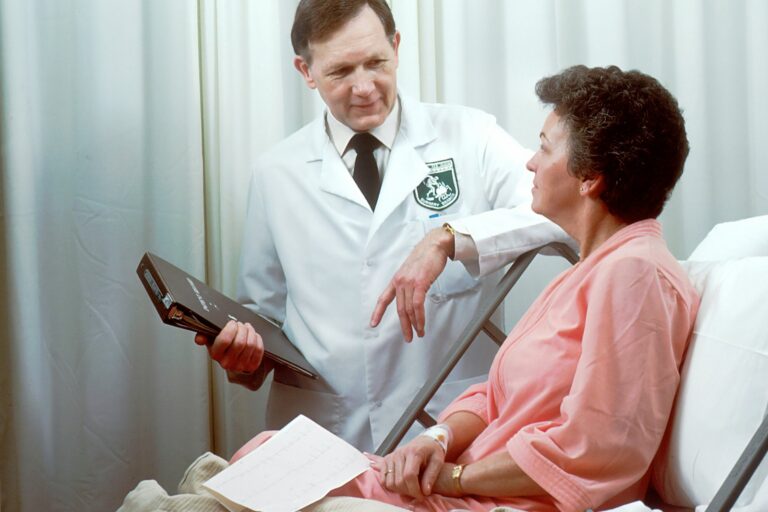
Photo: Farajacancersupport (CC BY-SA 4.0)