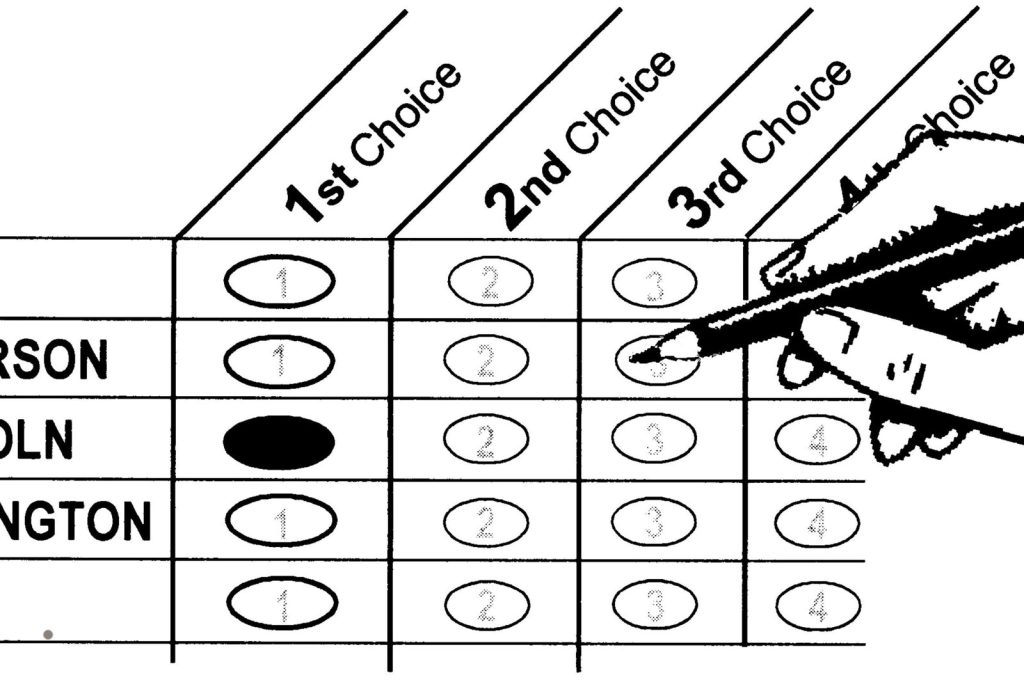
Early voting has opened in 47 states and Washington, D.C., for the 2026 midterm elections, with only Alabama, Mississippi, and New Hampshire excluding the option for all voters. According to the National Conference of State Legislatures, this broad availability allows a significant portion of the electorate to cast their ballots weeks before Election Day on Tuesday, Nov. 3. The logistical complexity of navigating these varying state systems requires voters to verify their registration and specific polling locations to ensure their participation is counted.
Verifying Registration and Accessing Key Resources
The first step in the electoral process is confirming that your voter registration is current, particularly if you have moved or changed your name since the last cycle. In 2024 alone, over 8.3 million people used Vote.org to check their registration, request mail-in ballots, and locate polling places, according to data cited by Ms. Magazine. This platform serves as a central hub for state-by-state voter ID laws and dropbox locators, reducing the friction often associated with election day preparation.
For those seeking personalized guidance, VOTE411, created by the League of Women Voters Education Fund, aggregates essential election information based on the user’s specific location. The tool provides details on ballot contents, voting hours, and early or absentee voting options. It also offers resources in both English and Spanish, including candidate responses to key issues, ensuring that language barriers do not hinder civic participation. These digital tools are strategically important for voters who need to confirm their eligibility and understand the specific requirements of their jurisdiction before heading to the polls.
Navigating Polling Place Logistics
While digital resources provide a roadmap, local election offices remain the final authority on voting locations and hours. USAGov’s directory connects voters directly to state and local election officials, which is critical because early voting locations and hours often differ from those used on Election Day. Some jurisdictions allow voters to choose among multiple voting centers, while others assign individuals to specific sites based on their address.
Voters must confirm the address, operating hours, and any location-specific requirements before leaving home. This verification step is particularly vital for early voters, as the broader stakes of missing a deadline or arriving at the wrong site can result in disenfranchisement. Election offices can also assist with questions regarding accessible voting locations and accommodations for voters with disabilities, ensuring that the physical infrastructure of the election supports all eligible citizens.
State-Specific Deadlines and Early Voting Windows
The timeline for casting a ballot varies significantly by state, requiring voters to understand the specific calculus of their local election schedule. In Texas, early voting began on Monday, Oct. 19, and runs through Oct. 30, offering a two-week window for residents to cast their ballots ahead of the Nov. 3 deadline, according to TPR. This extended period allows voters to avoid the congestion often seen on Election Day itself.
In West Virginia, the early in-person voting period starts on Oct. 21 and continues through Oct. 31. Every county in the state has at least one location, typically the county courthouse or a judicial annex, where voters can participate during this window. For those who prefer to vote by mail, West Virginia law dictates that an absentee ballot must be requested by Oct. 28, the sixth day before the election. The ballot must be postmarked by Election Day and received no later than Nov. 8 to be counted. These strict deadlines highlight the importance of planning and the strategic necessity of acting well in advance of the final day.
Rules on Devices and Voting Booth Conduct
Once inside the voting booth, voters must adhere to state laws regarding the use of electronic devices. In West Virginia, state law prohibits bringing any recording or electronic device into the booth for the purpose of recording or interfering with the voting process. This regulation effectively bans taking selfies or videos while voting, as confirmed by David Cook, general counsel for the Secretary of State’s office. However, there is no prohibition on bringing cell phones into the booth, provided they are not used to take photos, record videos, or communicate with others.
Voters are permitted to bring sample ballots and voting guides into the booth to assist in making their selections. This allowance balances the need for an independent voting process with the practical reality that voters may need reference materials to navigate complex ballots. In West Virginia, ballots include a constitutional amendment regarding citizen voting qualifications, alongside races for the U.S. Senate, House of Representatives, and local offices. Understanding these rules and the contents of the ballot is essential for a smooth voting experience. As the midterms progress, the broader stakes of these local and national races will become increasingly clear, but the initial step remains a practical one: verifying your status and knowing where to go.
Sources
- Voting Is Underway. Here’s How to Find Your Polling Place, Check Your Ballot and Get Help
- What to know before you head to the polls for 2026 early voting
- Early voting is underway in Texas. Here’s how to vote in the midterm election.
Photo: Tomruen (Public domain)