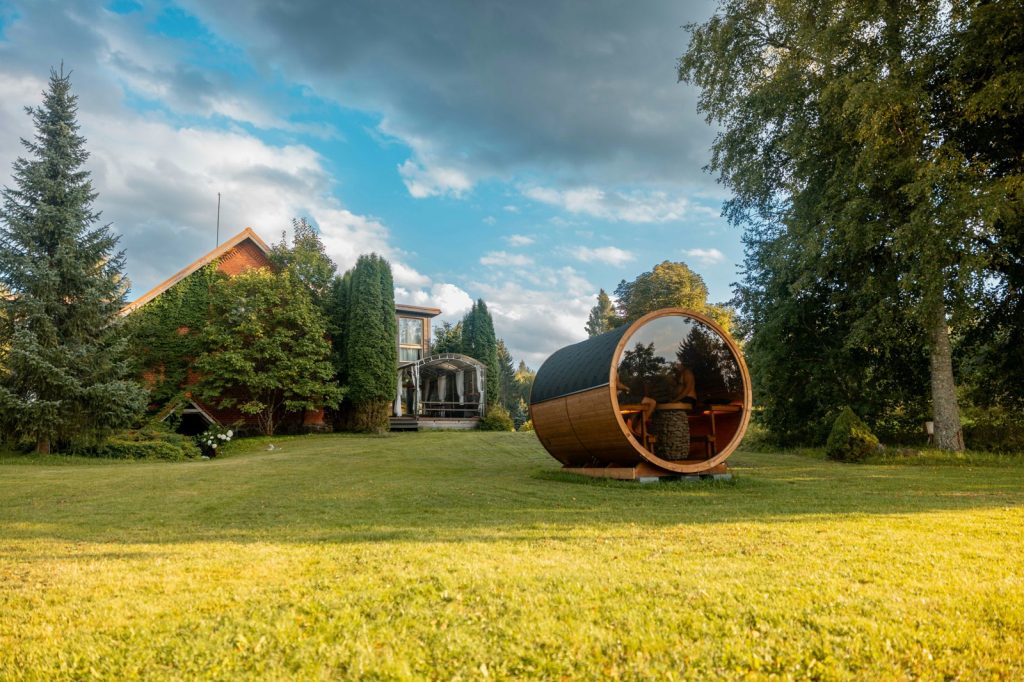
The backyard is no longer just a lawn; it has become a strategic asset for personal health. As homeowners invest in outdoor wellness infrastructure, the focus has shifted from simple aesthetics to functional recovery spaces. This trend signals a broader shift in how families approach daily maintenance and physical resilience.
The Global Wellness Institute valued the wellness industry at $6.8 trillion in 2024. The organization forecasts this figure will reach $9.8 trillion by 2029. This growth reflects a calculated decision by consumers to prioritize long-term health over short-term leisure. The backyard wellness zone is now a dedicated area built around recovery, movement, or mindfulness.
Designing the Anchor Feature
Successful outdoor spaces require a clear strategic focus. Design professionals advise that most backyards work best with one anchor feature plus one or two supporting elements. This approach prevents a scatter of unrelated add-ons that dilute the utility of the space. The anchor might be a sauna, a cold plunge, or a yoga deck.
Allison Messner, co-founder and CEO of Yardzen, notes that people want to create beautiful spaces that encourage more time spent outside. She emphasizes that these areas should include dedicated wellness elements like saunas, heated and cold plunge pools, and meditation gardens. The goal is to tap into the health benefits of being outdoors while providing specific tools for physical maintenance.
Sarah Barnard, a California-based interior designer, frames the appeal in sensory terms. She describes meditating to birdsong or soaking in an outdoor spa while watching butterflies as an incredibly grounding experience. The calculus here involves balancing visual appeal with functional utility. A space that looks good but does not serve a specific health purpose will likely be underutilized.
Sauna Formats and Installation Logistics
Outdoor saunas are available in three primary formats: barrels, cabins, and portable infrared tents. These options come at a wide range of price points, allowing homeowners to scale the investment according to their budget. Before purchasing, it is essential to pencil out the electrical needs. A sauna is a room or building designed for dry or wet heat sessions that make bathers perspire. Proper installation requires attention to these technical details.
Planning for a permanent structure involves checking HOA, landlord, or local zoning rules. Homeowners must verify regulations before installing any permanent structure, electrical work, or water feature. This step is critical to avoid legal complications or forced removal of the investment. The broader stakes include ensuring the property remains compliant with local standards while enhancing its value.
Physical placement also matters. Track sun and shade across the day to determine the best location. Morning yoga requires soft light, while an afternoon reading nook needs cover. Privacy can be managed with fencing, tall planters, bamboo screens, or outdoor curtains. Noise, drainage, and level ground are also key factors for heavy items like tubs or saunas.
The Science of Thermal Stress
The health benefits of these upgrades are rooted in physiological responses to temperature changes. Dr. Mohammed Enayat, a longevity physician and founder of HUM2N Longevity Clinic, explains that contrast therapy works by deliberately exposing the body to short, controlled doses of thermal stress. This process is not merely about comfort; it is a calculated stressor that triggers specific biological adaptations.
Heat exposure causes vasodilation, where blood vessels widen and circulation increases. In contrast, cold exposure causes vasoconstriction, narrowing blood vessels and raising stress hormones such as noradrenaline. Switching between heat and cold trains the cardiovascular and nervous systems through a process known as hormesis, or “good stress.” This mechanism helps the body build resilience against future stressors.
However, this approach requires caution. People with cardiovascular disease, uncontrolled high blood pressure, arrhythmias, or severe Raynaud’s should consult a doctor before engaging in hot and cold therapy. The response must be managed carefully to avoid adverse effects. For healthy individuals, the benefits include improved circulation and a physiological reset. A sauna typically uses thermometers and hygrometers to measure temperature and humidity levels, ensuring the environment remains within safe parameters.
Building a Balanced Recovery Zone
Creating a balanced outdoor recovery zone involves integrating the sauna with other elements. A common setup includes a wired sauna sitting a few feet from a cold plunge tub. This pairing allows for immediate contrast therapy without the need for travel between distant locations. The space should support the full cycle of relaxation and activation.
Homeowners should start by naming what the space is actually for. Is it for movement, recovery, or mindfulness? Most backyards function best when the purpose is clear. A yoga deck supports movement, while a sauna and plunge support recovery. A meditation nook supports mindfulness. By defining the primary function, the design becomes more coherent and effective.
The investment in these spaces is a long-term strategy for health. As the wellness industry continues to grow, the backyard becomes a critical site for personal maintenance. The data supports the shift, and the science backs the practice. For those considering an upgrade, the first step is to assess the site, check the regulations, and define the goal. The result is a space that serves a clear, functional purpose in daily life.
Sources
- Backyard Wellness Is Reshaping Home Upgrades, From Cold Plunges to Saunas and More
- Inside Gwyneth Paltrow’s At-Home Wellness Routine: Her Cold Plunge Habits and the Science Behind Them – AOL
- What the world's leading researchers think about saunas : Short Wave
Photo: Auroom Wellness / Unsplash (Unsplash License)