ISSAQUAH, WASHINGTON, October 23, 2026 — While open-air bazaars like the US 1 Metro Flea Market in West Columbia, South Carolina offer an eclectic mix of cowboy hats, boots, and fresh produce, millions of shoppers continue to seek out structured savings inside wholesale warehouse clubs. The ability to buy groceries and household goods at rock-bottom prices stems directly from a rigid corporate pricing strategy that limits profit margins long before items reach the sales floor.
The Margin Cap and Membership Model
The financial engine behind Costco Wholesale Corporation relies on a strict ceiling on retail markups. According to corporate data, Costco caps brand-name markups at 14 percent and private-label Kirkland Signature markups at 15 percent. These percentages sit far below the 25 to 50 percent margins typical at traditional supermarkets and big-box rivals.
Operating with such thin margins on merchandise means that retail sales alone do not generate the company’s primary earnings. Instead, membership fees provide the bulk of operating profit. Members pay either a $65 annual fee for a Gold Star membership or $130 for an Executive membership. This steady stream of subscription revenue allows the warehouse giant to price its physical goods much closer to actual wholesale cost.
Headquartered in Issaquah, Washington, the company operates 924 warehouses worldwide, with 85 percent located in North America. Just under one-third of all U.S. consumers regularly shop at these locations. Corporate history traces back to 1976 when predecessor Price Club opened in San Diego, California, targeting small businesses with bulk discounts. Brotman opened the first Costco in Seattle in September 1983, goods were initially sold to businesses at a markup of only 8 or 9 percent.
Private-Label Power and Bulk Economics
Beyond membership dues, the company drives down consumer prices through massive purchasing volume concentrated on a limited number of items. By concentrating total sales volume across fewer products, the retailer secures deeper discounts from suppliers.
The Kirkland Signature private-label brand plays a major role in this purchasing power. Kirkland Signature accounts for roughly 30 percent of total sales volume. This massive market share gives the corporation heavy leverage to negotiate lower unit costs from manufacturers. When shoppers buy private-label goods, they benefit directly from these supplier negotiations combined with the strict 15 percent markup cap.
Certain high-visibility items demonstrate how the company uses low pricing to drive foot traffic. Similarly, Costco gasoline is priced near wholesale rack rates, often sitting 20 to 40 cents below local competing stations, though access remains restricted strictly to paying members.
Contrasting With Open-Air Markets
The structure of a warehouse club differs fundamentally from traditional open-air trading spaces. At the US 1 Metro Flea Market in West Columbia, South Carolina, shoppers encounter rows of vendors selling everything from artisanal candles and power tools to cowboy hats and footwear. However, the marketplace lacks centralized margin control or standardized unit pricing.
Flea market vendors set their own prices individually on tables filled with snapbacks, cowboy boots, and athletic shoes. Because there is no markup ceiling or inventory standardization, shoppers cannot easily calculate per-unit value across different stalls. The experience prioritizes variety, browsing, and spontaneous conversation over systematic cost savings.
For shoppers, the warehouse club model does present specific limitations. The requirement to purchase items in bulk quantities, combined with the mandatory annual membership fee, can raise the effective cost for small households or individuals making single-item trips. For families and bulk purchasers willing to pay the membership fee, the strict margin caps continue to deliver lower per-unit prices than standard retail competitors.
Corporate Scale and Global Reach
Costco Wholesale Corporation has grown into a dominant global force, currently ranked 12th on the Fortune 500 list of largest United States corporations by total revenue. As of 2025, the company holds the title of the third-largest retailer in the world. Its massive inventory influence extends across several categories, as it is the world’s largest retailer of beef, poultry, organic produce, and wine as of August 2024.
This scale is supported by a vast infrastructure of 924 warehouses worldwide. While the company maintains a strong presence in North America, where 85 percent of its locations are situated, its reach is broad enough that just under one-third of all American consumers regularly shop at its warehouses. This consistent traffic is a byproduct of the original wholesale business model established by its predecessors, which focused on enrolling small business owners before eventually expanding to include individual consumers.
Sku Limitation And Bulk Pack Economics
By concentrating sales volume on a smaller number of products, Costco can secure lower unit costs, which are then passed on to customers.
The limited SKU count also enables Costco to optimize its logistics and supply chain management, reducing costs associated with inventory management and storage. Additionally, the company’s focus on bulk packaging helps to further reduce costs, as suppliers can produce and transport larger quantities of products more efficiently.
The combination of limited SKUs and bulk packaging allows Costco to maintain its low pricing strategy, making it an attractive option for customers looking for value and convenience. By leveraging its massive purchasing power and streamlined logistics, Costco can offer prices that are often significantly lower than those of its competitors.
Sources
- Bargain Hunters Agree That This Colossal South Carolina Flea Market Is Better Than Costco
- Costco
- 4 Frozen Dumplings From Costco, Ranked Worst To Best – Tasting Table
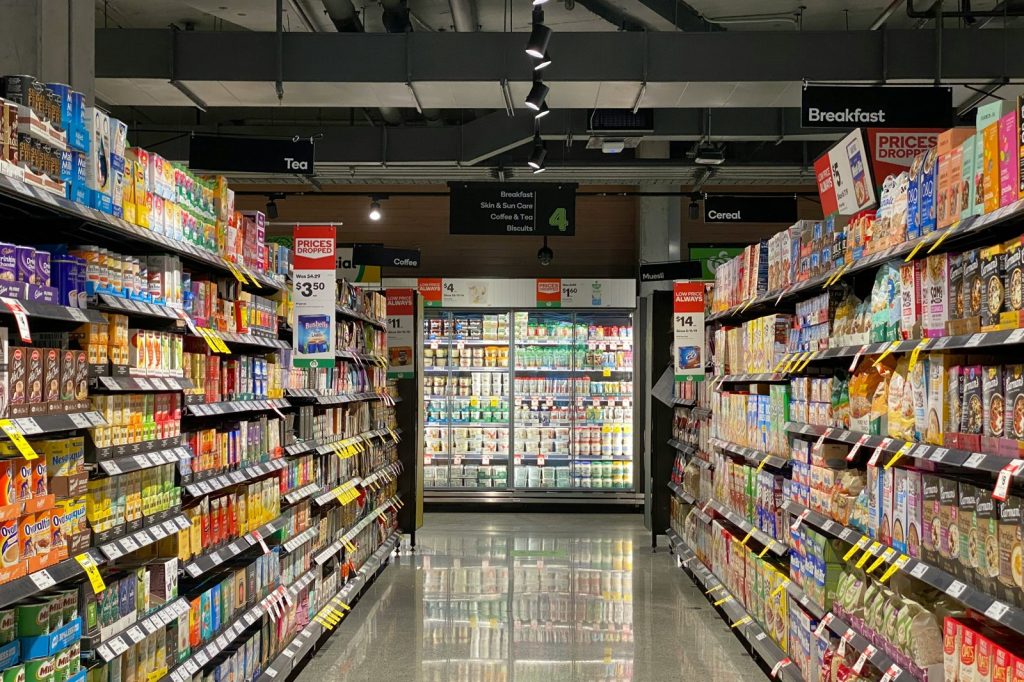
Photo: Franki Chamaki / Unsplash (Unsplash License)