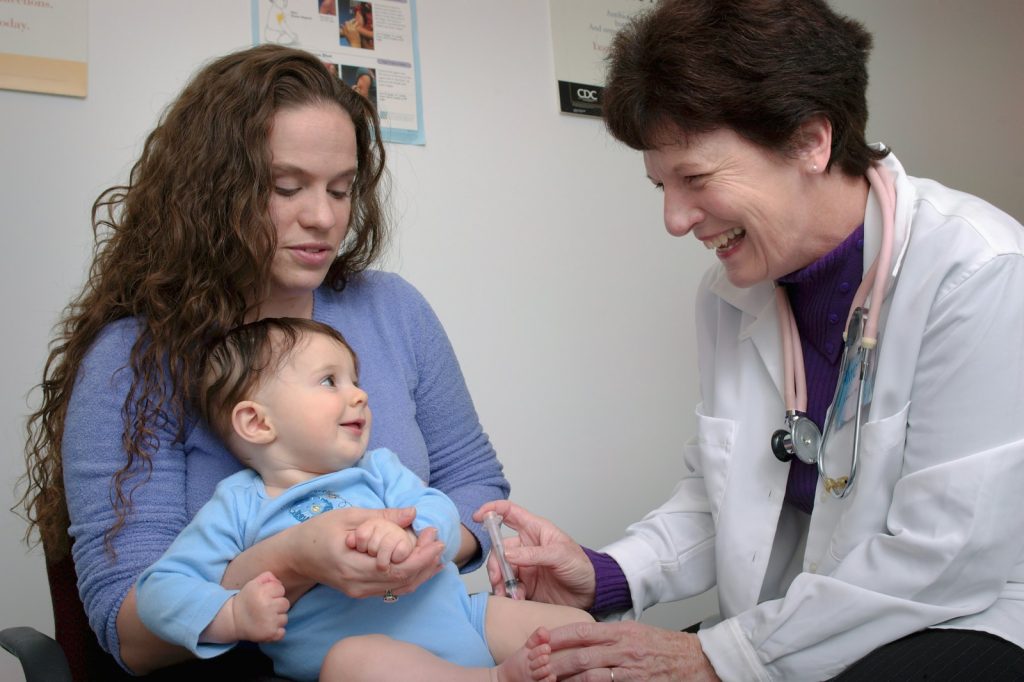
As the seasons change, parents are often left dealing with the aftermath of common childhood bugs, but according to Dr Nighat Arif, the key to navigating these illnesses lies in understanding the mechanics of how they spread. The catch is, falling temperatures and not wearing a coat are often blamed for illness, but it’s actually indoor gatherings and poor ventilation that are the real culprits.
Understanding The Surge In Seasonal Childhood Bugs
On closer reading, it becomes clear that the surge in seasonal childhood bugs is largely due to the fact that children are spending more time indoors, often in poorly ventilated rooms with large groups of other kids. According to Dr Nighat Arif, “the biggest thing is ventilation” and when we are all back together again, recongregated into classrooms that could be 30 or 40 kids, we all bring our bugs back to each other. This creates an ideal environment for bugs to spread, and not washing hands properly and proximity to other ill people can also increase the chances of spreading germs.
How Indoor Proximity And Ventilation Drive Winter Illness
The mechanics here are simple: when children are in close proximity to each other, they are more likely to spread illnesses. This is especially true in poorly ventilated rooms, where germs can linger in the air. Follow the money, or rather, follow the germs, and it becomes clear that indoor gatherings are a major contributor to the spread of childhood bugs. But what does this mean for parents who want to support their child’s immune system and navigate common seasonal illnesses?
Practical Monitoring Strategies And When To Consult A Doctor
According to Dr Nighat Arif, roughly six to eight coughs and colds are considered ‘normal’ over a year for young children. The catch is, what may seem like a lingering cold can actually be a child catching a new virus while their immune system is doing its job. To navigate this, parents can use symptom diaries and take photos of rashes to help doctors understand how symptoms change over time. Dr Nighat Arif also recommends trusting parental instincts, saying “your gut is your sixth sense” and when a parent notices unusual behavior, it’s a red flag. By following these practical monitoring strategies and consulting a doctor when necessary, parents can help support their child’s immune system and navigate common seasonal illnesses.
Supporting Household Wellness And Child Development
Child development is a complex and multifaceted process that involves biological, psychological, and emotional changes from birth through the conclusion of adolescence. Early childhood, which typically ranges from infancy to the age of 6 years old, is a period marked by significant milestones, such as first words and learning to walk. By understanding child development and taking steps to support household wellness, parents can help their children thrive and navigate common seasonal illnesses with ease.
The Normalcy of Frequent Colds in Young Children
According to Dr. Nighat Arif, it is entirely normal for young children to experience six to eight coughs and colds in a year. This frequency does not necessarily indicate any underlying health issues but rather reflects the active nature of a child’s immune system as it encounters new viruses. Parents often worry when their child seems to have a persistent cold, but Dr. Arif explains that this can simply be a result of catching a new virus while still recovering from a previous one.
Understanding this normal range of illness can help parents manage their expectations and reduce anxiety. It’s important to recognize that children’s immune systems are still developing, and exposure to various viruses is a natural part of building immunity. However, parents should remain vigilant for any unusual symptoms or behaviors that might indicate a more serious issue, as Dr. Arif emphasizes the importance of trusting parental instincts in these situations.
Role Of Child Development Centers In Promoting Healthy Development
Child development centers, such as the Ohio University’s Child Development Center, play a crucial role in promoting healthy development in young children. According to Director Kristin Barron, the center provides high-quality education and care for children ages six weeks to five years, with a capacity for up to 92 children. The center’s curriculum is based on Developmentally Appropriate Practice and is influenced by Constructivism and the Reggio Emilia Approach.
The center’s approach to learning is focused on hands-on experiences that are both spontaneous and intentional, providing important learning experiences for all of the children it serves. As Barron notes, “every part of the day can be a meaningful opportunity for learning.” The center’s teachers and staff members work together to strengthen relationships between children, families, and the community, creating a supportive environment for children to thrive.
According to Patton College of Education Dean Lisa Harrison, the center’s accreditation by the National Academy of Early Childhood Programs is a “powerful affirmation of the excellence” of the Child Development Center, and recognizes the quality and care that the center’s teachers and staff bring to children and families every day.
Public Figures And Experts Featured In The Discussion
The latest episode of Parenting Download features guest GP, Dr Nighat Arif, and Traitors star Leanne Quigley. Together, they discuss back-to-school bugs, health anxiety, and practical ways to help both children and grown-ups stay healthy and safe during the autumn and winter months.
According to the podcast discussion, the spread of illnesses often begins when children return to nurseries and schools after the summer break. As families navigate this period of increased illness, expert insights from professionals like Dr Arif help parents understand the real causes behind seasonal bugs and manage their expectations regarding how frequently children fall ill.
Sources
- âDon't be frightened of the snotâ – and other tips for dealing with childhood bugs
- Child development
- Child Development Center serves local families, plays essential role for OHIO students
Photo: CDC / Unsplash (Unsplash License)