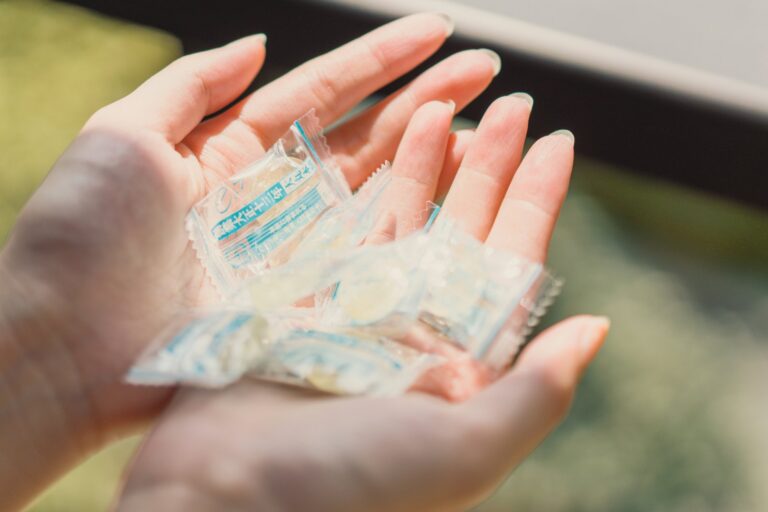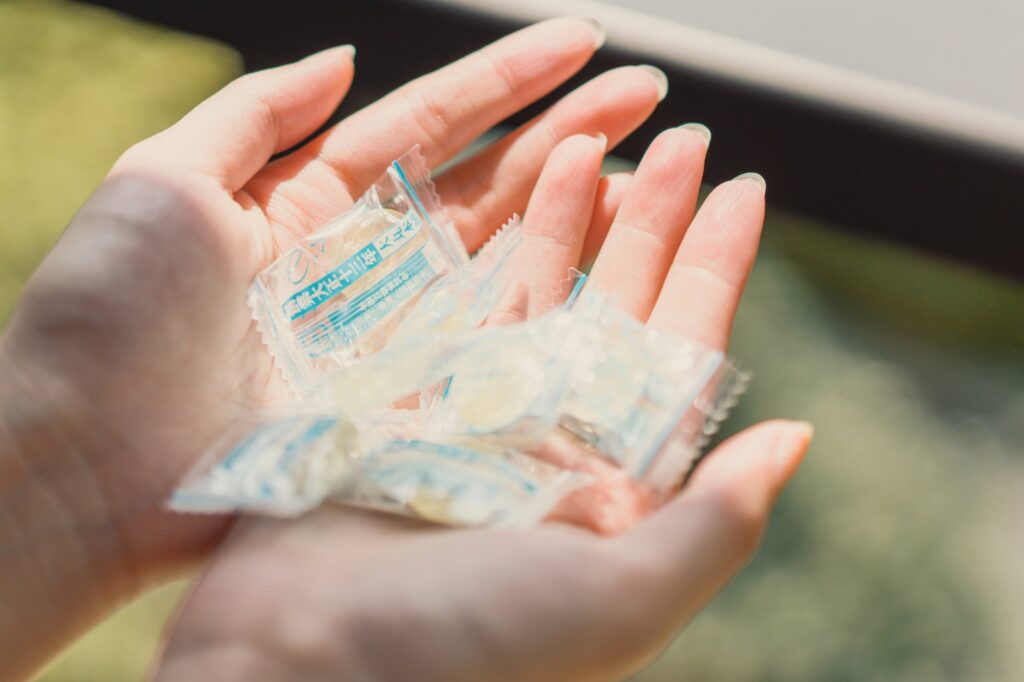
The wellness industry is shifting away from traditional gummies and pills toward thin, dissolvable oral strips. This new format promises a frictionless delivery system for daily supplements, though the actual health benefits remain unproven by clinical standards.
The Rise Of The Oral Strip
The supplement market is currently undergoing a significant transformation in how consumers ingest vitamins and active ingredients. According to the Nutrition Business Journal, the domestic supplement industry is expected to generate approximately $79 billion in sales in 2026, representing a 7% year-over-year increase. Within this expanding market, brands like Sleep or Die, Strippies, and Daps are gaining traction by offering postage-stamp-size films that dissolve on the tongue.
The appeal of these strips lies in their ease of use compared to legacy formats. Many consumers find pills difficult to swallow, powders messy to prepare, and gummies high in sugar content. For the modern wellness consumer, these strips offer a convenient alternative that avoids the bulk of traditional bottles. As noted by NuStrips founder Viraj Mohan, carrying around a standard multivitamin bottle is considered outdated by some younger demographics.
These products are increasingly appearing in trendy retail environments. Shops such as the high-end grocer Erewhon and the beauty retailer Olive Young now stock these strips alongside other wellness products. The packaging is designed to be Instagram-friendly, which has contributed to the rapid adoption of the format among social-media-savvy shoppers.
Absorption And Bioavailability Claims
The primary marketing claim for supplement strips centers on their delivery mechanism. Unlike pills or gummies, which must pass through the digestive tract, these strips are designed to be absorbed buccally in the cheek and sublingually under the tongue. Proponents argue that this method allows for better bioavailability, which refers to the proportion of a substance that enters the circulation and is effectively used by the body.
However, the actual performance of these products is subject to debate among researchers. Studies have noted that the quick-to-dissolve nature of the strips does not automatically equate to a faster physiological effect. Many of these films are dissolved by saliva and subsequently swallowed, meaning they may still undergo the same digestive processes as traditional oral supplements.
Furthermore, while brands frequently promote superior absorption rates, these claims are often made without the support of clinical trials. The FDA does not require clinical trials for dietary supplements before they reach the market. Consequently, consumers are often relying on manufacturer marketing rather than verified medical data when evaluating the efficacy of these products.
Market Growth And Investment
The financial backing for this sector suggests a strong belief in the longevity of the strip format. Sleep or Die, a company founded in 2025, received a $1 million investment from True Beauty Ventures in May 2025. This growth capital firm has previously supported other established wellness brands, indicating that institutional investors see potential in the shift toward alternative supplement delivery methods.
The variety of supplements available in strip form is also expanding rapidly. Current offerings include melatonin for sleep, biotin for hair and nail growth, and caffeine for energy. Other companies, such as StripIt and Biostrips, have introduced products containing probiotics, fiber, and blood-sugar-regulating supplements like Reducose and Chromax. Even pharmaceutical companies are entering the space, with Vybrique introducing the first FDA-approved strip for pharmaceutical use in March 2026.
The figure that matters for potential users is the lack of regulatory oversight compared to traditional pharmaceuticals. Because these items are classified as dietary supplements, they do not undergo the rigorous testing required for FDA-approved drugs. Readers interested in incorporating these strips into their daily routines should consult their doctor to determine if the products are appropriate for their specific health needs.
Practical Considerations For Consumers
For those considering a switch from gummies or pills, the decision often comes down to personal preference and the specific ingredients required. The strips provide a discreet and portable option for individuals who struggle with the physical act of swallowing tablets. The experience is described as frictionless, requiring no water or preparation.
Despite the convenience, the price point of these products can be high. Consumers at shops like Erewhon are often paying a premium for the form factor and the branding associated with these wellness items. Whether the added cost provides a genuine health advantage remains an open question, as the scientific evidence for improved absorption is not yet settled.
Ultimately, the move toward supplement strips reflects a broader trend in the wellness industry toward products that integrate easily into a modern lifestyle. While the market is growing and investment is flowing into the sector, the bottom line for the consumer is to remain cautious. Always verify the ingredients listed on the packaging and discuss any new supplement regimen with a healthcare professional before beginning use.
The Origins And Personal Experiences Of Supplement Strips
The development of these oral strips often stems from a desire for more effective or convenient wellness solutions. For example, Jean Godfrey-June, a former executive beauty director at Goop, turned to these strips to manage insomnia. While she had previously consulted specialists, she had not utilized over-the-counter sleep aids until she was introduced to strips containing melatonin, GABA, 5-HTP, and L-theanine. Godfrey-June described the experience of using the apple-red strips as similar to consuming a “minty, gel-ish Fruit Roll-Up,” noting that they helped her sleep well despite the challenges of jet lag.
The business side of this innovation is driven by founders with diverse professional backgrounds. Lauren Sudeyko, the 32-year-old founder of Sleep or Die, established her company after gaining experience in marketing and sales. Her venture is part of a broader wave of startups aiming to modernize supplement delivery. These products are positioned to offer a frictionless experience, with commentators like Jenna Movsowitz of Express Checkout noting that the format is so simple that users “don’t have to try that hard to be a wellness girlie.”
Sources
- For Wellness Fans, Gummies Are Out. The New Craze Is Supplement Strips. – tovima.com
- Wellness Strips and Baseball Drip
- Humanitarian Situation Report | 22 October 2026 | United Nations Office for the Coordination of Humanitarian Affairs – Occupied Palestinian Territory
Photo: Jue Huang / Unsplash (Unsplash License)