Building a virtual reality headset from scratch is an ambitious engineering project that requires mastering complex sensor fusion and precise optical alignment. While the allure of creating a custom device is clear for hobbyists, the practical reality is that off-the-shelf options provide a much more refined and safer experience for the average user.
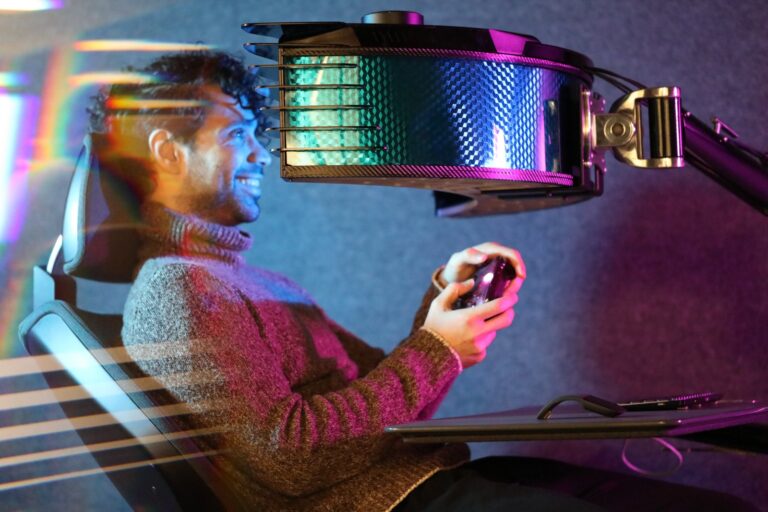
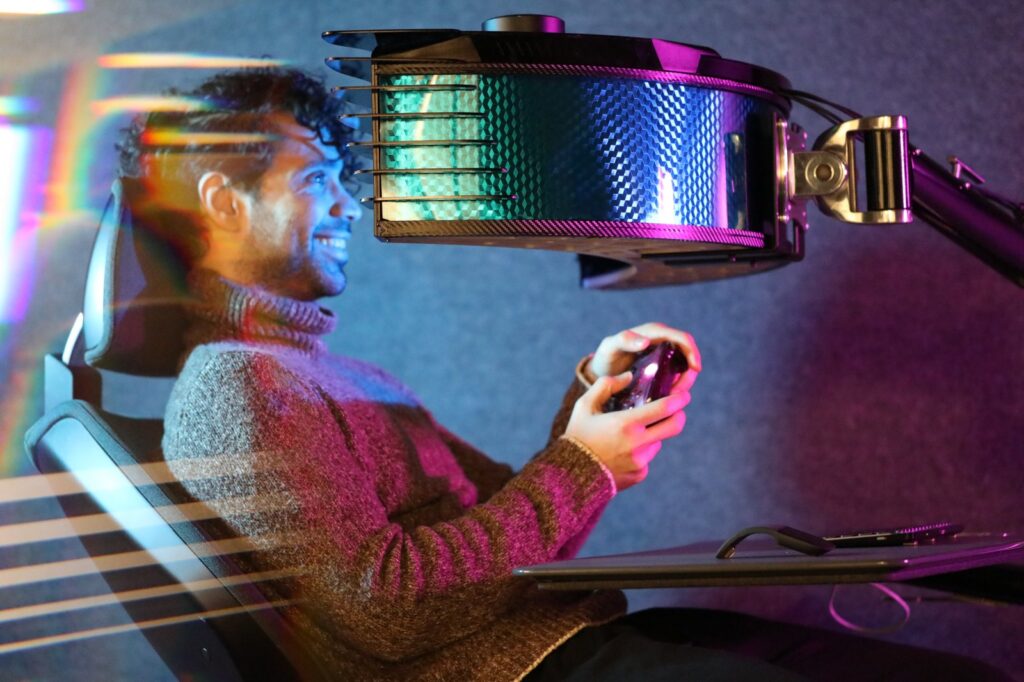
To understand the challenge, one must first look at the core components that make virtual reality possible. A headset is essentially a head-mounted device that uses stereoscopic displays to provide a virtual environment. These displays provide separate images for each eye, which, when combined with stereo sound, create the illusion of depth. Early attempts at this technology in the 1990s, such as the Sega VR or the Forte VFX1, struggled to provide a convincing experience. John Carmack famously described those early efforts as looking through toilet paper tubes, a testament to the limited technology of the time.
The complexity of modern VR lies in tracking the user’s head movement to match the orientation of the virtual camera. At a minimum, headsets use a MEMS IMU—an inertial measurement unit—to provide three degrees of freedom tracking. This allows the device to detect pitch, yaw, and roll. However, true immersion usually requires six degrees of freedom tracking, which adds the ability to track movement forward, backward, left, right, up, and down. Achieving this requires sensor fusion algorithms, often variants of a Kalman filter, to merge data from the IMU with external sensors or outward-facing cameras embedded in the headset.
Building these systems at home presents significant hurdles in hardware integration. Most modern standalone headsets operate on mobile operating systems, while others rely on a PC connection via USB or Wi-Fi to handle the heavy processing. When engineers attempt to make devices more lightweight, they often have to offload computing power to external units, such as a small processing puck. Meta, for instance, utilized this approach to reduce the weight of its upcoming VR glasses, which are significantly lighter than the Meta Quest 3.
Beyond the engineering of sensors and processors, safety and physical comfort are paramount. One of the most critical factors is the interpupillary distance, or IPD. This is the spacing between the lenses, which must match the distance between a user’s eyes. If the lens spacing is incorrect, the image will blur and cause significant eye strain. While some consumer devices like the Meta Quest 3 offer continuous IPD adjustment to fit a wide range of faces, cheaper or DIY alternatives often lack this flexibility, making them uncomfortable or even unusable for many people.
For parents considering VR for their children, safety considerations extend beyond the hardware itself. Meta recommends a minimum age of 10 for its Quest headsets, with parental controls required for children between 10 and 12. According to Meta, these controls allow parents to approve apps, set daily time limits, and restrict access to social features. The bigger risk for children in virtual reality is often social interaction with strangers in multiplayer apps rather than the headset hardware. Parents should check the settings of individual social platforms before granting access, as voice chat and contact invitations can be managed through parent-approved accounts.
The market for consumer VR has seen significant growth, with Meta having sold 20 million headsets worldwide to date. Despite this, the industry has experienced a plateau in recent years. While the Meta Quest 2 remains the most widely used device even after its discontinuation in 2024, newer models have struggled to entice users to upgrade. High-end devices like the Apple Vision Pro have also faced commercial challenges, with sales figures falling short of expectations after an initial release. This suggests that for most users, the value proposition of a VR headset is tied to ease of use, a robust library of content, and comfort.
When comparing a DIY project to a mass-produced device, the practical upshot is a matter of refinement. A standalone headset like the Meta Quest 3S, priced at $349, provides a fully integrated experience that handles sensor fusion, optical calibration, and software compatibility out of the box. It is designed to work with a massive library of games and applications, all while adhering to safety standards for eye alignment and content management. For a hobbyist, building a headset is a lesson in the difficulty of sensor fusion and optics. For everyone else, the current generation of consumer devices offers a level of stability that is difficult to replicate in a home workshop.
Ultimately, whether you are looking for a device for gaming, simulation, or media consumption, the technology has moved far beyond the limited displays of the 1990s. If you choose to explore virtual reality, ensure the device fits your physical needs by checking the IPD settings and, if you are a parent, utilize the built-in parental controls to manage social interactions. Always consult with a doctor if you experience persistent eye strain or discomfort while using VR, as the health of your eyes should always take precedence over the experience itself. The transition from bulky, experimental hardware to sleek wearables like the upcoming Meta glasses shows that the industry is still evolving, but for now, the safest and most reliable path into virtual reality is through the established consumer market.
Hardware Integration and Weight Distribution Challenges
Building a functional VR headset at home requires overcoming significant hardware integration obstacles. Most modern standalone headsets operate on mobile operating systems, while others rely on a PC connection via USB or Wi-Fi to handle heavy processing. When engineers attempt to make devices more lightweight, they often have to offload computing power to external units. Meta, for instance, utilized this approach to reduce the weight of its upcoming VR glasses, which are significantly lighter than the Meta Quest 3. The company’s engineering feat in making the new product so light has partly been accomplished by shifting some computing power into an accompanying brickette that Meta calls a “puck.” It is essentially a computing core powered by a Qualcomm Snapdragon processor, allowing the glasses themselves to remain stylish and portable while maintaining performance.
Sensor fusion presents another critical hurdle for DIY builders. At a minimum, headsets use a MEMS IMU—an inertial measurement unit—to provide three degrees of freedom tracking, allowing the device to detect pitch, yaw, and roll. True immersion usually requires six degrees of freedom tracking, which adds the ability to track movement forward, backward, left, right, up, and down. Achieving this requires sensor fusion algorithms, often variants of a Kalman filter, to merge data from the IMU with external sensors or outward-facing cameras embedded in the headset. Without sophisticated software calibration, DIY systems struggle to maintain stable tracking, often resulting in motion sickness or drift that undermines the virtual experience.
Sources
- Virtual reality headset
- Best VR Headset for Kids 2026: Safe, Age-Appropriate Picks | VR.org
- Why Meta’s new virtual reality glasses could finally take this technology primetime
Photo: Redo-sanchez (CC BY-SA 4.0)