Big Easy Roofing publishes a comprehensive guide detailing the available incentives for Louisiana residents. The FORTIFIED program provides a voluntary standard for building and retrofitting homes to withstand severe weather events. Homeowners in Louisiana can access specific financial incentives to offset the cost of upgrading to FORTIFIED roofing standards. FORTIFIED roofs require specialized engineering that goes beyond standard construction codes to resist high winds and hail. The program aims to reduce insurance premiums and repair costs after storms by preventing structural failure. Upgrading to FORTIFIED standards often involves reinforcing roof-to-wall connections and using impact-resistant materials. The standard is designed to ensure homes remain habitable and structurally sound after extreme weather events. Contractors must undergo specific training to achieve FORTIFIED certification before installing qualifying roofs.
Program Origins and Purpose
The FORTIFIED program originated as a voluntary standard developed to address the increasing frequency of severe weather events across the Gulf Coast. Engineered specifically for regions prone to high winds and hail, the standard establishes construction requirements that exceed minimum building codes. According to industry reports, the program provides a structured approach to retrofitting existing homes as well as constructing new builds to a higher resilience benchmark. The overarching goal is to reduce the economic and structural damage associated with storms, thereby protecting homeowners from the most severe impacts of extreme weather.
Engineering Standards for Resistance
FORTIFIED roofing standards focus on specific engineering upgrades designed to fortify the building envelope. Key requirements include reinforcing the connections between the roof and the walls of the structure, which are often the first point of failure during high-wind events. Additionally, the standard mandates the use of impact-resistant roofing materials capable of withstanding hail and debris. By addressing these specific structural weaknesses, FORTIFIED construction aims to keep the roof assembly intact during storms, preventing water intrusion and maintaining the habitability of the home.
Financial Incentives for Louisiana Homeowners
One of the primary drivers for adopting FORTIFIED standards in Louisiana is the availability of financial incentives. Homeowners in the state can access specific programs intended to offset the upfront costs of upgrading roofing systems. These incentives are designed to make the engineering upgrades more accessible, allowing residents to invest in resilience without bearing the full financial burden. By reducing the initial cost barrier, the program encourages broader participation in resilient building practices across the region.
Cost Versus Long-Term Savings
While upgrading to FORTIFIED standards involves specialized engineering and materials, the long-term financial outlook often favors the investment. Homeowners typically see a reduction in insurance premiums due to the reduced risk of storm-related structural failure. Furthermore, by preventing damage during extreme events, the need for costly repairs in the aftermath of a storm is significantly lowered. Industry analysis suggests that the cumulative savings on insurance and repairs can offset the initial upgrade costs over time, making FORTIFIED roofing a financially prudent choice for long-term home protection.
Implementation and Contractor Requirements
Implementing FORTIFIED roofing standards requires contractors to undergo specific training and certification. Because the engineering requirements go beyond standard construction practices, qualified installers must be trained in the precise methods for reinforcing roof-to-wall connections and installing impact-resistant materials. This ensures that the upgrades are performed correctly and meet the program’s resilience criteria. For homeowners, working with a FORTIFIED-certified contractor is essential to achieving the standard’s protective benefits and qualifying for available incentives.
Historical Context and Program Evolution
The FORTIFIED program was established to address a critical vulnerability in residential construction: the inability of standard building codes to withstand the increasing frequency and intensity of severe weather events along the Gulf Coast. Historically, minimum code requirements often prioritized cost-efficiency over structural resilience, leaving homes susceptible to catastrophic failure during high-wind storms. The program emerged as a voluntary initiative designed to bridge this gap by establishing rigorous engineering standards that exceed these baseline regulations. By creating a specific benchmark for construction and retrofitting, the initiative sought to transform how homes are built in regions prone to hurricanes and hailstorms.
According to industry reports, the development of these standards was driven by the need for a structured approach to enhancing home durability. The program recognizes that standard construction practices frequently result in weak points, particularly at roof-to-wall connections, which are often the first to fail under extreme stress. Consequently, the FORTIFIED standard mandates specific reinforcements and the use of impact-resistant materials to ensure the roof assembly remains intact. This historical shift from reactive repair to proactive fortification aims to reduce the economic devastation associated with storms by preventing structural collapse and maintaining habitability.
The evolution of the program reflects a broader understanding that resilience must be engineered into every component of a home’s envelope. Early iterations focused on new construction, but the scope quickly expanded to include retrofitting existing homes, acknowledging that many communities already face severe weather risks. By providing a clear pathway for upgrading older structures, the program ensures that financial incentives can be applied to improve the safety of established neighborhoods. This historical progression underscores the commitment to protecting homeowners from the most severe impacts of extreme weather through continuous improvement and adherence to higher resilience benchmarks.
Operational Challenges and Training Requirements
While financial incentives offset upfront costs, adopting FORTIFIED standards introduces specific operational challenges for contractors accustomed to faster roofing jobs. Solar projects, which often overlap with whole-home energy services, require additional training, financing expertise, and longer timelines for permitting and utility approvals. These complexities create hurdles for installers who have not previously managed extended project schedules or specialized regulatory requirements.
SRS Distribution notes that the residential market is adjusting to changing federal incentives as contractors navigate these new demands. Companies that can develop capabilities across multiple trades, such as combining roofing, solar, and electrical work, often find themselves most successful in this evolving landscape. However, for those pursuing FORTIFIED certification alone, the need for specialized engineering knowledge remains a distinct operational hurdle compared to standard construction practices.
Sources
- Roofing Contractors Have Three Paths Into Solar
- Racial slur found written in possible roofing tar across wall at East Bay elementary school
- DIYers Aren't Impressed By This Front Door Upgrade: 'That Was A Waste Of Time And Money'
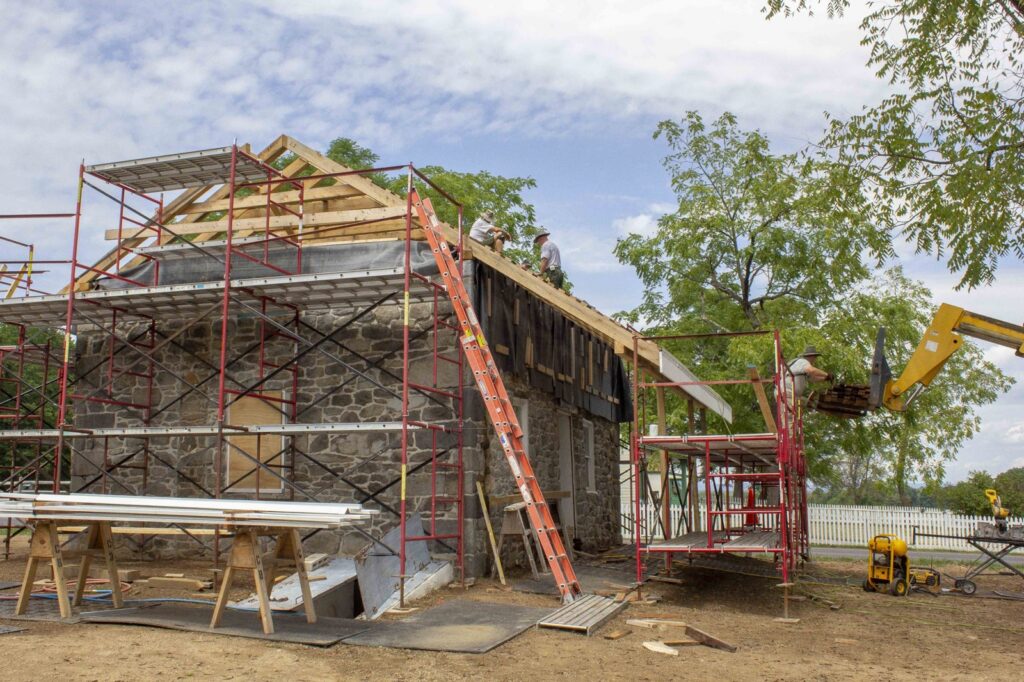
Photo: NPS photo (Public domain)