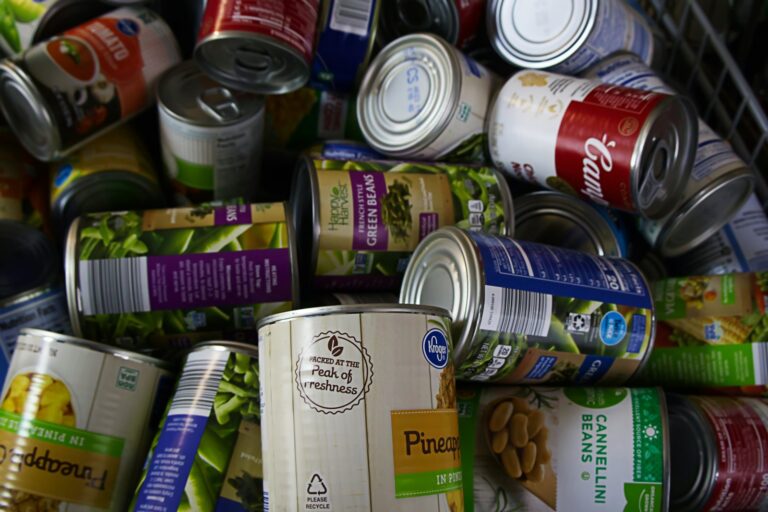
Iceland has recorded a 40 per cent jump in tinned-food sales, and Ocado ran out of Heinz soup last week. The buying followed advice to keep three days of non-perishable food in case storms, online attacks or hostile states disrupt normal supplies.
A useful reserve, however, is more than a trolley filled with random tins. It has to feed the people in the house, work without normal kitchen facilities and avoid becoming a collection of expired packets.
Start with food that needs little preparation
The Government’s Be Ready advice favors familiar foods that require neither refrigeration nor cooking. Food writer Sarah Rainey has been swapping ideas with other parents on the school run, including a baked-bean bolognese that children will eat. One friend’s grandmother recommends dried fruit to enliven curries, porridge and stews.
Nutritionist Lily Soutter suggests checking packets for products that are ready to eat immediately. Precooked rice, couscous and barley, together with pouches of lentils and chickpeas, can all be eaten cold. Her practical reminder is easy to miss: keep a can opener with the supplies.
Small households should also consider container size. Some long-life products need refrigeration once opened, so miniature portions can prevent waste.
Build meals, not just a pile of calories
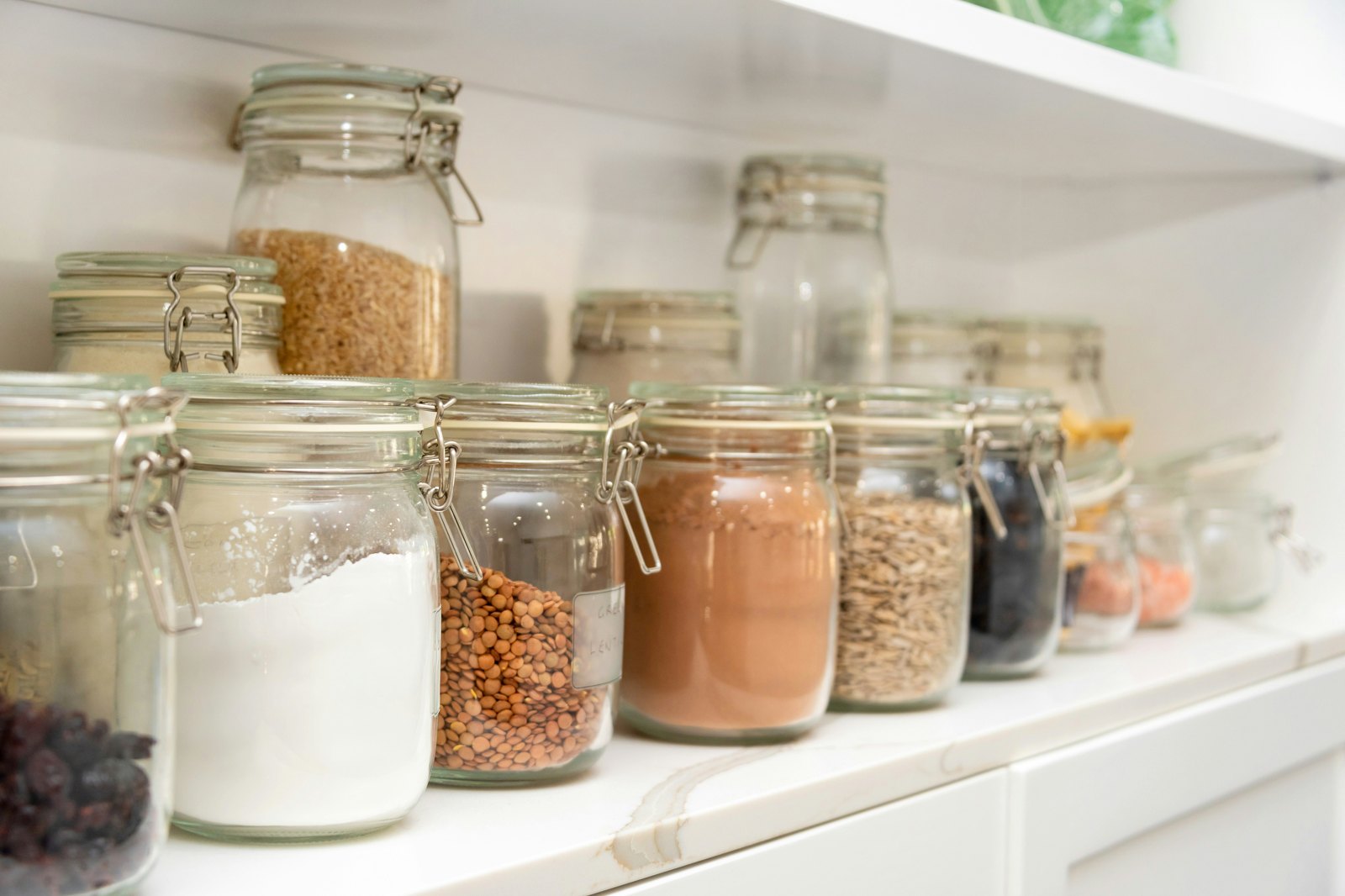
Nutritionist Kim Pearson recommends a mixture of protein, fibre, healthy fats and micronutrients. Her suggested cupboard combines animal and plant proteins with vegetables, pulses, nuts, seeds, oily fish and extra-virgin olive oil.
Tinned tomatoes supply lycopene, an antioxidant associated with reduced inflammation and lower heart-disease risk. Pulses provide plant protein, fibre, iron and magnesium. Sardines, salmon and mackerel contribute omega-3 fatty acids.
Variety matters for a simpler reason too. “This gives you more flexibility when putting meals together and makes it less likely you’ll tire of what you have available,” Pearson said.
Oats are unusually flexible. They can become porridge with water, bulk out bread or desserts, or soak in long-life milk for overnight oats. Peanut butter crosses between sweet and savory cooking, while mixed herbs, spice blends and a little Worcestershire sauce improve otherwise plain ingredients.
Cold beans need not be eaten straight from the tin. Their flavor changes with a little cinnamon, some paprika and garam masala; mashed beans also work in a wrap. Tikka and Mexican-spiced varieties offer another shortcut.
Cooking when the oven is unavailable
A camping stove or barbecue can handle boiling and frying, and even some roasting. Rainey also makes curries and chillis with jarred beans, meat-free bolognese, pasta sauce with tinned fish, and desserts from instant custard and dried fruit.
Buying versatile, better-quality basics can make those dishes more convincing. Rainey favors Mutti tomatoes and Mr Organic soups. She also recommends Merchant Gourmet pouches, plus Bold Bean Co beans and chickpeas. Plain rice or tinned vegetables can stretch the flavored products into fuller meals.
Tinned fish supplies protein and fats without demanding elaborate preparation. Tinned and jarred vegetables, tomatoes in herby sauce, dried fruit and fruit in juice or syrup add variety. Soutter advises checking added sugar and salt.
Canned potatoes can even become an emergency potato salad. Use olive oil, salt and pepper, or jarred sandwich spread with a shelf life reaching 18 months. Bag-in-box olive oil lasts up to a year after opening because the bag limits oxidation.
Some supposed long-life foods are not
Check every date. Nuts can last only a few months because of their fat content; granola and trail mix have the same limitation. Sealed bags of white rice and flour can keep for decades. Their whole-wheat counterparts generally expire within six to 12 months as the oily layer becomes rancid. Beef jerky expires after a year.
Sealed herbs and seasonings last indefinitely, although spices gradually lose potency. Sweet treats still have a place. “Emergency supplies don’t have to be all about tins of beans and vegetables,” Pearson said, recommending enjoyable snacks that also offer nutritional value.
Water requires separate space. Government guidance calls for three litres per person each day. For four people over three days, that means 36 litres before allowing anything for cooking, washing or cleaning.
Sources
- Ultimate guide to prepping: SARAH RAINEY shares her full shopping list
- Survivalism
- Harvard Is One Bus Ticket Away From School Spirit | The Harvard Crimson
- Don't panic: Columbia Sportswear is giving away a 40-foot bunker – The Portland Tribune
- Justin Hartley films 'Tracker' at Santa Monica's Bayside Hotel
- The 5 Best EDC Designs of November 2026 – Yanko Design
Photo: Jacob McGowin / Unsplash (Unsplash License)