“How do I know my cat actually ate?”
That question bothered Jason Winfield, a New Zealand-based YouTuber who travels frequently, more than the price or appearance of an automatic feeder. He tried several commercial models. His verdict was measured: “they’re fine. They do the job. Sort of.”
The weakness is the clock. Most machines release a measured serving when their timer says it is time, whether the previous serving has been eaten or not. Winfield wanted his two cats fed on a schedule without returning home to a small mountain of kibble.
A feeder that checks the bowl
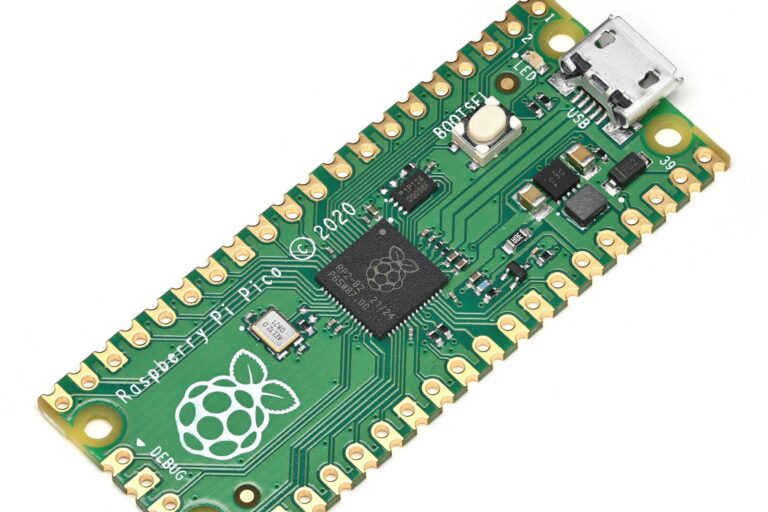
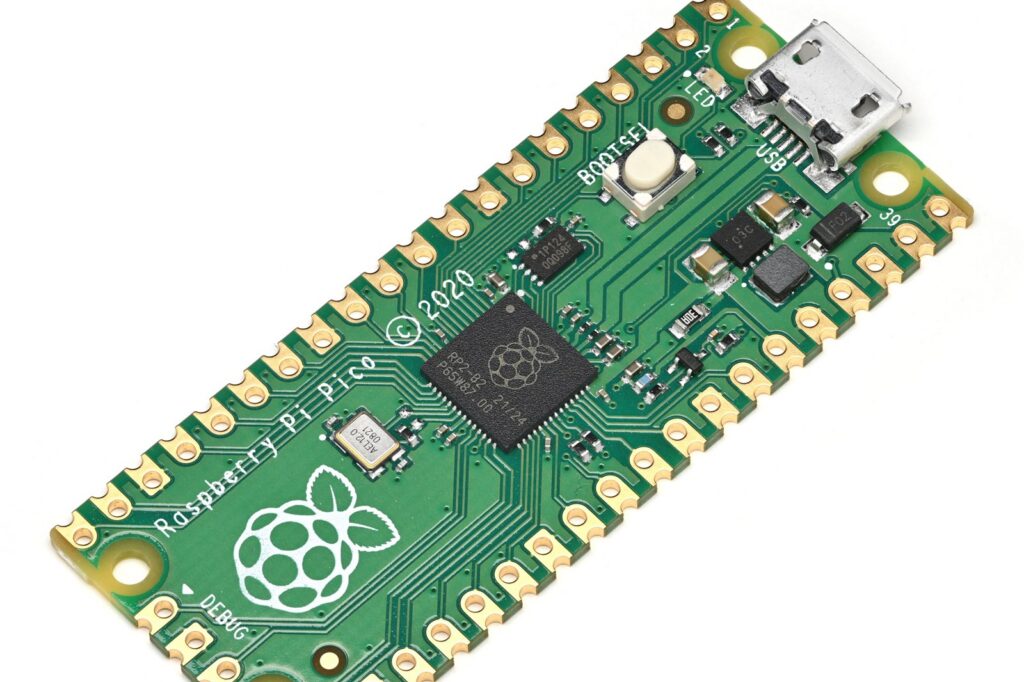
His answer is a robotic feeder built around a Raspberry Pi Pico with Wi-Fi. It dispenses a predetermined portion, then checks whether the dish is empty before supplying more. A separate ultrasonic sensor detects a cat near the machine, stopping it from dropping food onto an animal already eating.
The practical details show considerable thought. A real-time clock module preserves the feeding schedule without direct power. A small LCD screen displays the settings, which are changed using a 3D-printed toggle shaped like a cat’s head. A buzzer sounds when food arrives.
Winfield also allowed for failure. If the bowl remains full for a specified period, the feeder stops dispensing. That failsafe addresses both overfeeding and the less glamorous prospect of kibble piling up while its owner is away.
A modest domestic robot
The machine meets a useful definition of a robot: it is programmable, senses its surroundings and carries out a sequence of actions automatically. No humanoid shape is required. Most robots are built to perform a task, with function taking precedence over appearance.
Single-purpose machines have a long history in robotics. George Devol built the first commercial, digital and programmable robot, Unimate, in 1954. General Motors bought it in 1961 to lift hot metal from die-casting machines. A cat feeder sits at the other end of the industrial spectrum, but the underlying arrangement is familiar: a controller, sensors and a physical job.
Early autonomous machines were sometimes much simpler. William Grey Walter’s electronic robots, built in Bristol in 1948 and 1949, moved on three wheels and could find a recharging station when their batteries ran low. Their slow progress earned them the description of tortoises.
Home robotics and autonomous cars are now expected to drive the spread of autonomous technology. Winfield’s project applies the same feedback principle to two cats and a food dish. He is confident that they will not go hungry while he is travelling.
Sources
- Man builds robotic cat feeder that senses when dish is empty
- Robot
- Coming in 2027: Apple’s $1,000 home robot for FaceTime and switching on lights
- Apple Home Robot: Drone & Laundry Folder, 2 Leaks [2026]
- Apple is working on a robot that can fold laundry, report says
- Apple Still Thinks You Want Robots to Fold Your Clothes
Photo: Phiarc (CC BY-SA 4.0)