WASHINGTON, November 5, 2026 — Federal data released this week shows 5,070 American workers died on the job in 2024, a rate of one fatality every 104 minutes. Even as overall fatalities declined 4 percent from the prior year, the Occupational Safety and Health Administration is advancing proposals that would weaken respiratory protections for workers exposed to lead, asbestos, silica and other deadly substances.
Proposed Rollbacks Target Substance-Specific Standards
In July 2025, OSHA proposed revisions to respiratory protection provisions across more than a dozen substance-specific standards covering lead, asbestos, formaldehyde and inorganic arsenic. The agency argues the changes would allow greater flexibility in respirator selection and align requirements with its general Respiratory Protection Standard. A separate proposal would eliminate mandatory medical evaluations for employees who use filtering facepiece respirators — including N95 masks — and loose-fitting powered air-purifying respirators. OSHA says those devices place fewer physiological demands on users, so the evaluations create unnecessary regulatory burden.
Lawmakers Challenge Pace and Evidence
Twenty-seven Democratic lawmakers led by Rep. Ilhan Omar and Sen. Elizabeth Warren sent a letter to Assistant Secretary David Keeling on Oct. 29 urging withdrawal of both proposals. They wrote that most OSHA standards take years to develop, yet these respirator rules advanced through the same steps in a matter of months without required evidence or information requests. The lawmakers noted that the Advisory Committee on Construction Safety and Health, which is statutorily required to advise OSHA on construction issues, recommended against proceeding with the medical evaluation proposal. A procedural hearing was held in August during Congress’s recess, when no lawmakers were on Capitol Hill to discuss the rules.
Rising Respiratory Disease Underscores Stakes
The letter cites a grim backdrop: more than 5,000 Americans die annually from occupation-related respiratory illnesses on average. Rates of silicosis and coal workers’ pneumoconiosis — black lung — have been rising, driven by artificial stone countertop fabrication and increased silica exposure in Appalachian coal seams. National Nurses United, the American Industrial Hygiene Association and North America’s Building Trades Unions have all warned that weakening respirator programs could leave health care and construction workers exposed to airborne hazards that cause serious illness and death. Even the Associated General Contractors of America, a construction trade group, opposed the changes, arguing that quality safety regulations save contractors money over time and that any deregulatory benefits would be outweighed by future liability.
Keeling’s Background and the Broader Deregulatory Push
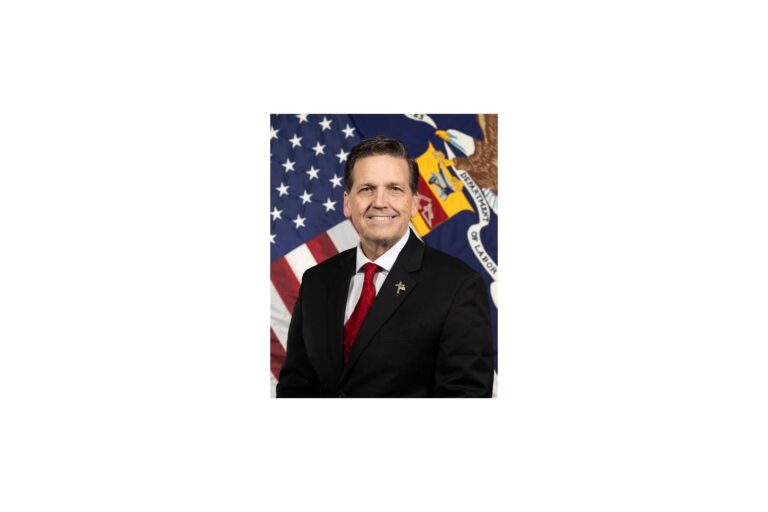
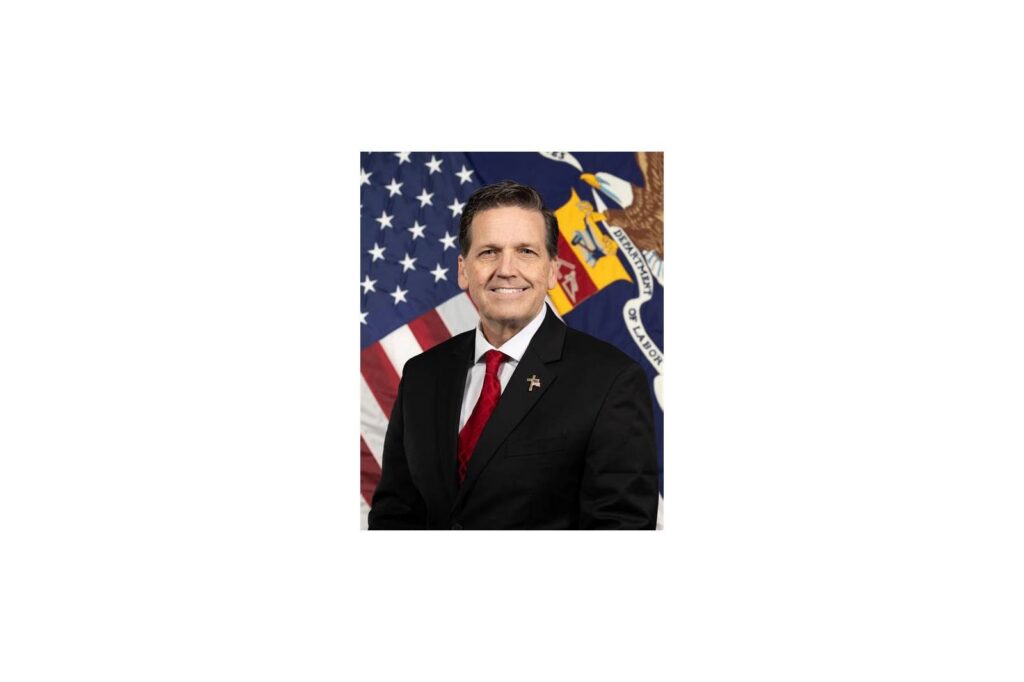
David Keeling, a former UPS and Amazon executive, serves as Assistant Secretary of Labor for Occupational Safety and Health. The respiratory protection changes are part of a broader Department of Labor effort to review existing regulations and reduce compliance burdens. The proposals have not been finalized. Until any revisions take effect, employers must continue complying with existing OSHA respiratory protection requirements.
Sources
- A Worker Died Every 104 Minutes in America, According to the Latest Federal Statistics – North American Community Hub
- Occupational Safety and Health Administration
- November 2, 2026
- Omar, Warren, Colleagues Urge Trump Administration to Abandon Rollback of Critical Worker Safety Protections
- Lawmakers Urge OSHA to Reconsider Respiratory Protection Changes — Occupational Health & Safety
- Democratic lawmakers decry Osha’s push to roll back worker respiratory protections
Photo: www.osha.gov (Public domain (government work))