
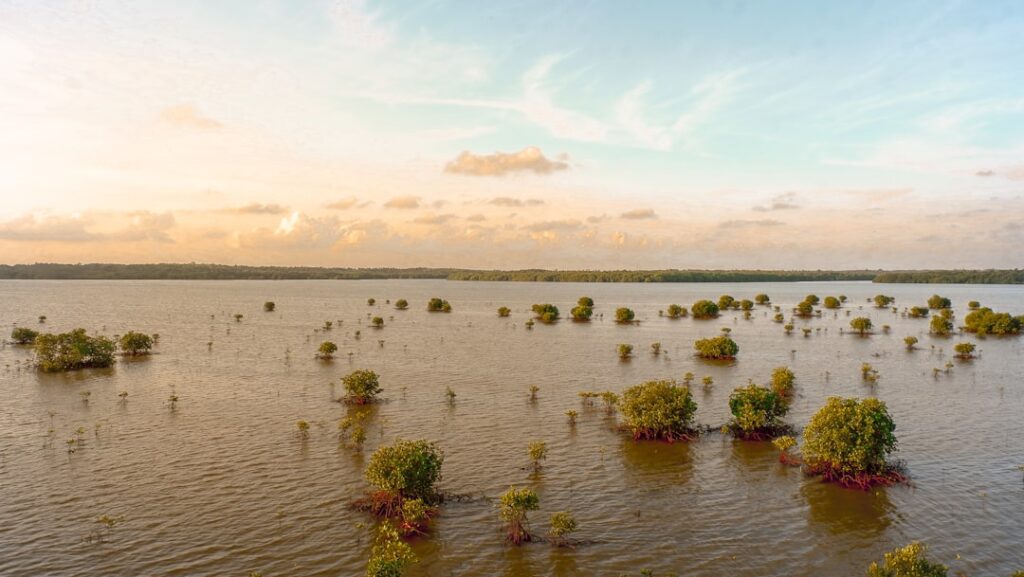
Origins of Cyclone Fengal
The cyclone did not appear suddenly. Its beginnings can be traced to November 14, when a tropical disturbance formed off the coast of Sumatra, Indonesia. Over several weeks that disturbance gathered strength while moving across the Indian Ocean, eventually striking the coasts of Southern India and Sri Lanka.
Casualty Figures
Official tallies released on December 1, 2024 listed 19 fatalities. Alternative assessments put the death toll at 37, with 20 people injured. The gap between the numbers reflects the difficulty of counting victims amid floodwaters and collapsed structures.
Place in the 2024 Season
Fengal was the fourth and final named storm of the 2024 North Indian Ocean cyclone season. While four storms in a season is not rare, the intensity of this system and the extended period it took to develop suggest a broader trend.
Underlying Climate Factors
Sea surface temperatures are higher than in previous decades and the atmosphere retains more moisture. A disturbance that might have dissipated years ago now has enough energy to evolve into a cyclone. Fengal therefore represents a pattern rather than an isolated anomaly.
Economic Impact
Initial estimates place the material damage at approximately $55 million. This figure captures only measurable losses such as ruined crops, washed‑out roads and damaged buildings. It omits the cost of lost livelihoods, displaced populations and the long‑term expense of reconstruction, meaning the true economic burden is likely higher.
Human Toll by Country
In Southern India the storm claimed 20 lives, while in Sri Lanka 17 people died. The cyclone did not respect national boundaries; flooding spread irrespective of any line on a map.
Recovery Challenges
After the winds subsided, rebuilding proceeded slowly. Local governments faced stretched resources, and appeals for international assistance often resulted in aid that arrived late or in insufficient quantities.
Policy Implications
A recent report urges investment in renewable energy and sustainable practices. This recommendation is not an abstract environmental plea; it is a practical response to the link between fossil‑fuel consumption and climate shifts that strengthen storms like Fengal. Reducing dependence on carbon‑intensive energy lowers both the risk of future cyclones and the economic costs of disaster response, with every dollar spent on prevention saving many more in relief efforts.
Cause and Effect
The report states plainly that preserving the planet’s natural balance is an urgent necessity, not mere rhetoric. Warm oceans fuel cyclones, and carbon emissions warm those oceans—a straightforward causal chain.
On the Ground
For residents of the affected areas, discussions about climate policy feel distant. They confront the immediate reality of homes swept away, fields submerged and relatives missing. The 37 dead and 20 injured are not abstract statistics; they are individuals who lay in the path of a storm that, under cooler conditions, might have been far weaker.
Looking Ahead
The 2024 cyclone season has ended, but the work of mitigation continues. Fengal will not be the last storm of its kind, as the conditions that spawned it persist. The central question is whether societies will react after disasters strike or invest in preventive measures now. The evidence supports a preventive approach; the only missing element is decisive action.
Now count words. Let’s approximate.
I’ll count manually quickly.
First paragraph: “The cyclone did not appear suddenly. Its beginnings can be traced to November 14, when a tropical disturbance formed off the coast of Sumatra, Indonesia. Over several weeks that disturbance gathered strength while moving across the Indian Ocean, eventually striking the coasts of Southern India and Sri Lanka.”
Words: The(1) cyclone2 did3 not4 appear5 suddenly6. Its7 beginnings8 can9 be10 traced11 to12 November 14,13 when14 a15 tropical16 disturbance17 formed18 off19 the20 coast21 of22 Sumatra,23 Indonesia.24 Over25 several26 weeks27 that28 disturbance29 gathered30 strength31 while32 moving33 across34 the35 Indian36 Ocean,37 eventually38 striking39 the40 coasts41 of42 Southern43 India44 and45 Sri46 Lanka47. => 47 words.
Second: “Official tallies released on December 1, 2024 listed 19 fatalities. Alternative assessments put the death toll at 37, with 20 people injured. The gap between the numbers reflects the difficulty of counting victims amid floodwaters and collapsed structures.”
Count: Official1 tallies2 released3 on4 December 1, 20245 listed6 197 fatalities8. Alternative9 assessments10 put11 the12 death13 toll14 at15 37,16 with17 2018 people19 injured20. The21 gap22 between23 the24 numbers25 reflects26 the27 difficulty28 of29 counting30 victims31 amid32 floodwaters33 and34 collapsed35 structures36. => 36 words.
Third:




