
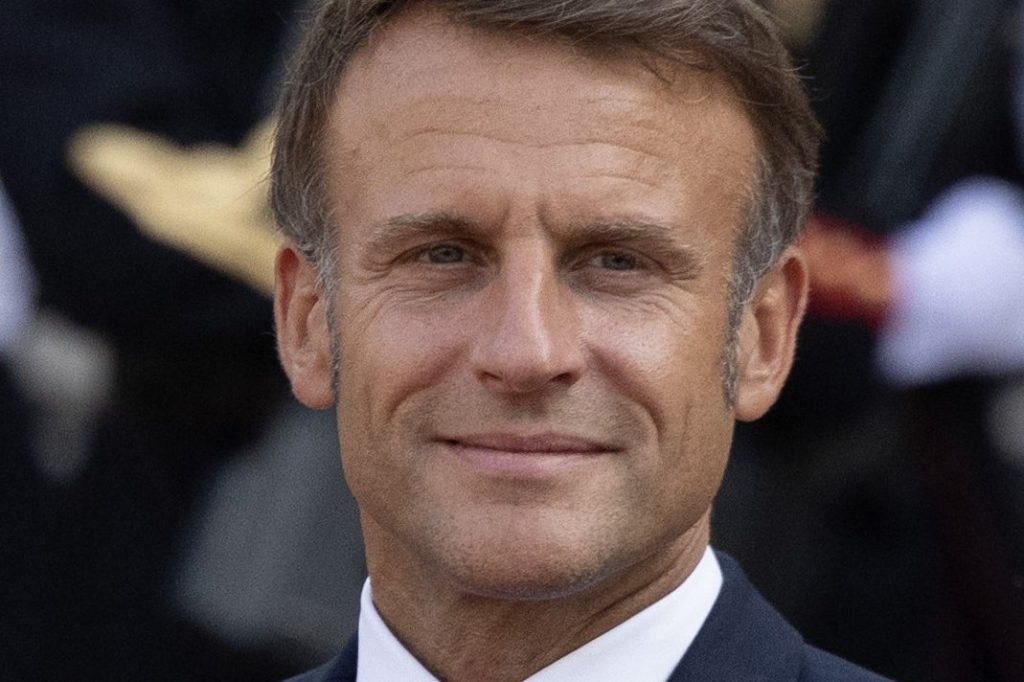
PARIS, September 18 — President Emmanuel Macron has called an emergency meeting of the Group of Seven to address soaring global energy prices and to weigh a coordinated release of strategic oil stocks, the Élysée Palace announced. The meeting will bring together leaders from the United States, the United Kingdom, Canada, France, Germany, Italy and Japan, together with the European Union. It is expected to be held virtually in the coming days.
The move underscores growing alarm among major economies over the surge in energy costs. The source of that surge is a combination of factors: the post-pandemic demand recovery, supply chain disruptions and geopolitical tensions, notably the war in Ukraine.
It would seem the G7 has been here before. The bloc coordinated on energy policy in 2022, when members agreed to release oil from their strategic petroleum reserves to stabilise markets following Russia’s invasion of Ukraine. The International Energy Agency, the Paris-based intergovernmental organisation, has also previously coordinated collective releases.
Strategic oil stocks are emergency supplies held by governments to mitigate supply shocks. The best-known example is the U.S. Strategic Petroleum Reserve, established in 1975 after the Arab oil embargo.
It currently holds approximately 350 million barrels, its lowest level since 1983, after a record 180 million barrel release in 2022. Other G7 nations, including Japan and Germany, maintain reserves of their own.
What is on the table
The meeting will likely explore coordinated actions such as releasing strategic reserves, imposing price caps on Russian oil — a measure already implemented by the G7 and the EU at $60 per barrel — and accelerating the transition to renewable energy. Disagreements may arise over the scale and timing of any release, as well as the impact on global oil markets. The meeting is also expected to address the humanitarian and economic consequences of the energy crisis on developing countries.
For all the noise around the announcement, the salient point is this: the G7’s room for manoeuvre is narrower than it was in 2022. The American reserve is at its lowest since 1983, and the political pressure to act is running in the opposite direction to the available stock.
Central banks have responded to energy-driven inflation with interest rate hikes, but the problem remains a persistent challenge. The meeting follows discussions among G7 leaders, including with the US administration, which has faced pressure to address high gasoline prices. This is a developing story.
Further details will be provided as they become available.




