
Davenport, September 29 — The story begins in a Zoom room where real estate agents logged on in hoodies against dark backgrounds, turning Halloween into a lesson in contract safety. What unfolded was the birth of a podcast that now blends true crime with industry training. My Real Estate Company CEO Sandi Lyn Burnett transformed those seasonal sessions into ‘True Crime in Real Estate,’ a show that uses actual cases — like a deadly Iowa building collapse and a cold case murder charge — to teach agents about safety procedures.
At its heart, the podcast is about turning fear into foresight. Burnett and Brian Schulz, the company’s director of information technology and concierge lead, co-host and produce the show, drawing on their shared Marine Corps background to push beyond basic safety advice.
The National Association of Realtors’ 2024 Realtors and Member Safety Residential Report found that 53 percent of residential members said their brokerage has safety procedures in place, 17 percent said it does not, and 30 percent said they don’t know. The same survey showed 22 percent of residential members experienced a situation that made them fear for their personal safety or the security of their personal information, and 86 percent showed a property alone. Burnett and Schulz believe industry safety training tends to stop at the basics.
Their podcast aims to go further by using real-world context, with each episode examining crimes, collapses, or schemes tied to real estate and ending in a safety lesson. One episode focuses on The Davenport, a six-story apartment building in Davenport, Iowa, that partially collapsed on May 28, 2023, killing three residents.
The Scott County attorney declined to file criminal charges against the building’s owner in February 2025, and survivors and families have filed civil suits against the owner and the city. Burnett’s episode follows the local agent who listed the owner’s properties after the collapse. The podcast’s description states that every name, charge, and figure comes from court filings, public records, law enforcement statements, and verified reporting.
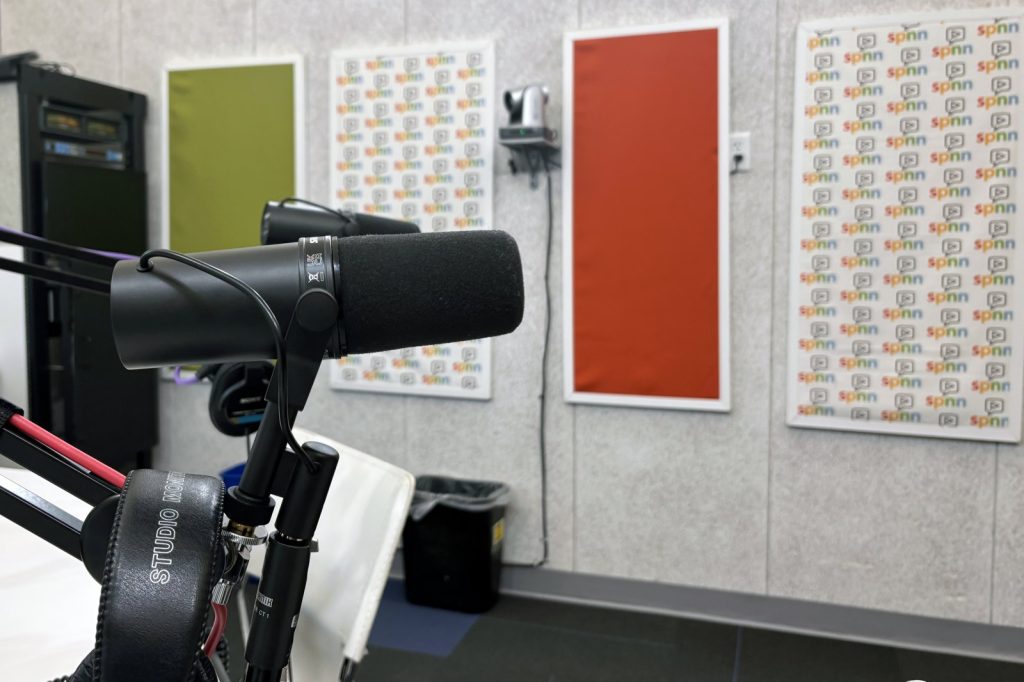
Burnett scripts the investigative episodes and stays on the script to limit legal risk. Episodes stream live, and Schulz produces an edited version that posts afterward. The show has evolved from early Zoom sessions to a professional studio format with title cards, thumbnails, and on-screen news coverage.
With about 50 episodes produced, its approach to safety training has been praised for its unconventional format and real-world context. Looking ahead, Burnett and Schulz plan to continue refining the podcast as a tool for agent preparedness, using verified cases to keep safety lessons grounded in reality.




