
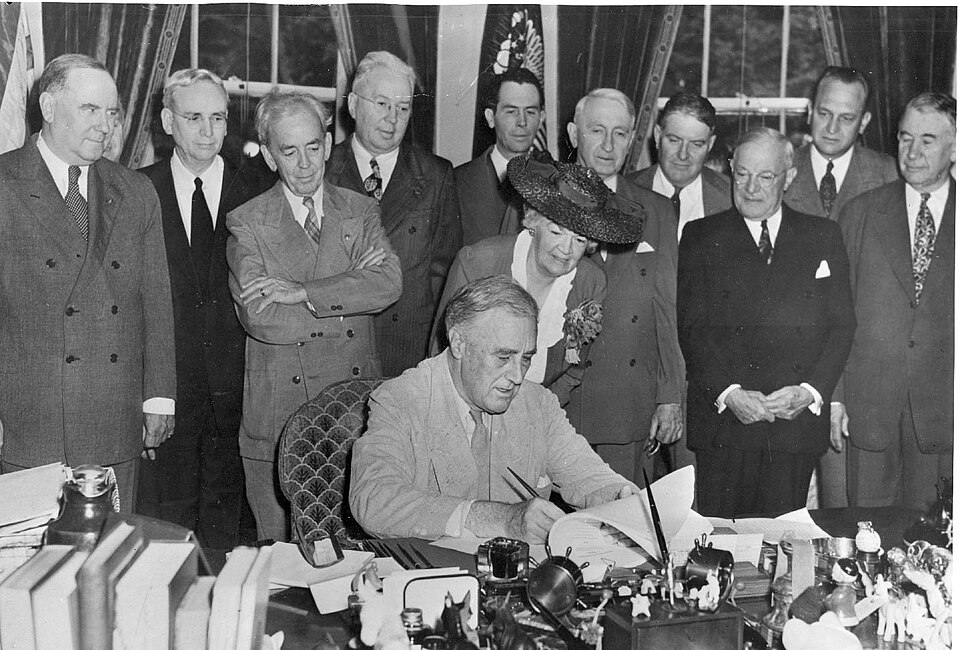
Washington, September 30, 2026 The United States Department of Veterans Affairs (VA) has a long history of providing benefits to its service members, dating back to the Servicemen’s Readjustment Act of 1944, more commonly known as the GI Bill. Over the years, the VA has introduced numerous acts and legislation to expand and improve veterans’ benefits. The GI Bill, signed into law on June 22, 1944, provided education subsidies, low-cost home loans, and unemployment compensation to World War II veterans.
By 1956, approximately 7.8 million veterans had used the education benefits, and over 2.4 million home loans were guaranteed. The Veterans’ Readjustment Assistance Act of 1952 expanded vocational rehabilitation, and the Veterans’ Pension Act of 1959 introduced needs-based pensions for wartime veterans with limited income.
During the Vietnam era, the Veterans’ Readjustment Assistance Act of 1972 restored education benefits for Vietnam-era veterans and introduced the Veterans’ Employment Program. The 1980 Veterans’ Health Care Act reformed the VA health system, establishing priority groups based on service-connected disability and income. The Gulf War era saw the passage of the Persian Gulf War Veterans’ Benefits Act of 1991, which provided disability compensation for illnesses linked to service in Southwest Asia.
The post-9/11 period brought the most significant expansion: the Veterans Educational Assistance Act of 2008, known as the Post-9/11 GI Bill, signed June 30, 2008, and effective August 1, 2009, offers tuition and fee coverage up to the most expensive in-state public undergraduate program, a monthly housing stipend, and a books-and-supplies stipend. As of fiscal year 2021, more than 800,000 veterans and service members had received Post-9/11 GI Bill benefits, with total expenditures exceeding $12 billion.
The VA MISSION Act of 2018 expanded community care, authorized $52 billion over five years for non-VA providers, and introduced an urgent care benefit. In fiscal year 2022, the Department of Veterans Affairs managed a budget of approximately $280 billion, served about 9 million enrolled veterans in its health care system, and processed disability compensation for roughly 5 million recipients, with average monthly payments near $1,300.
To claim benefits today, veterans must first obtain a DD-214 discharge document, apply through the VA’s eBenefits portal or a VA regional office, and submit supporting evidence such as service treatment records or disability claims. The VA encourages early filing, noting that the average processing time for a disability claim was about 125 days in FY2022, and that appeals can be filed under the Veterans Appeals Improvement and Modernization Act of 2017, which established a three-lane review system.
Understanding these historical milestones and current procedural steps enables veterans to access the full range of entitlements earned through their service.




