
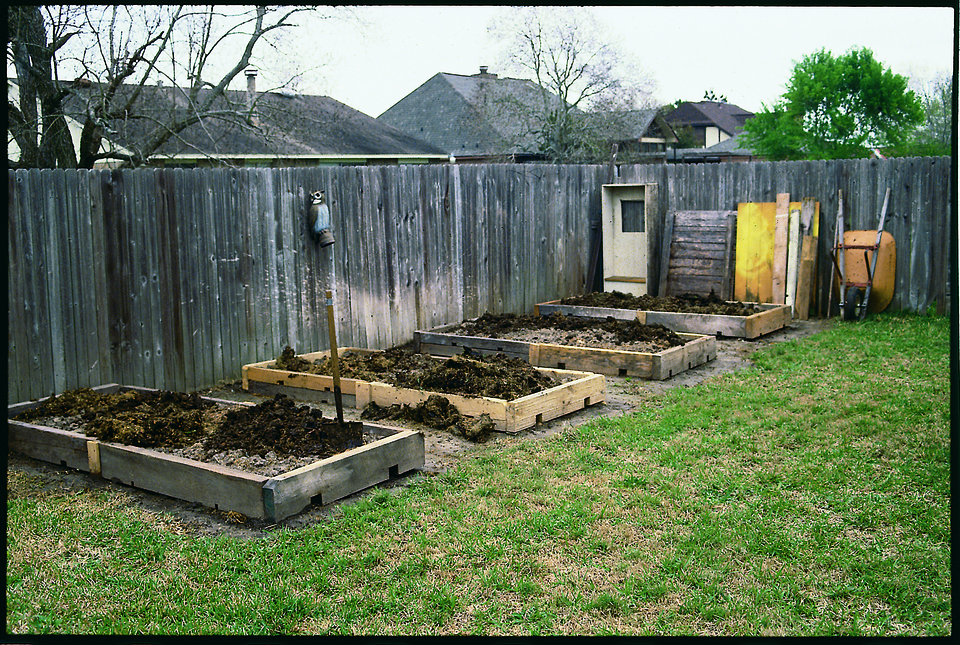
Washington, D.C., October 6 — The story begins with a simple shift in soil: gardeners across the United States are turning to raised beds not just as a trend, but as a practical response to changing climates and uneven ground. At its heart, this movement is about control — over drainage, over temperature, over the very foundation of what grows.
What unfolded in recent years is backed by data from the University of Maryland Extension, which found that raised beds can improve soil temperature by up to 8°F compared to ground-level plots. That warmth means earlier spring planting and later fall harvests, a tangible edge for those wrestling with short seasons or harsh winters.
For gardeners in zones 3 through 10 — as defined by the USDA’s Plant Hardiness Zone Map, last updated in 2023 — this thermal boost, paired with seasonal protection like cold frames or row covers, can extend the growing period by four to six weeks on either end. The National Gardening Association reports that 35% of U.S. households participated in food gardening in 2023, with raised beds ranking as the second most popular method after traditional in-ground plots.
A standard 4-foot by 8-foot bed, built from untreated cedar, becomes a manageable unit for backyard growers. Constructing it requires four 2×12 inch cedar boards at eight feet long, four corner posts, galvanized screws, landscape fabric, and a specific soil mix — 60% topsoil, 30% compost, 10% perlite — filling approximately 16 cubic feet.
Material costs add up clearly: the cedar boards at $12 each total $48, corner posts at $3 each come to $12, screws at $5, fabric at $4, and soil at $40 per cubic yard bring the total to roughly $109. These figures are not estimates; they are drawn directly from sourcing guidelines used by extension services and horticultural institutes. Maintenance, too, follows a rhythm rooted in soil health.
Experts recommend adding 1 to 2 inches of compost annually, rotating crops, and never walking on the bed to avoid compaction. The Rodale Institute’s 30-year Farming Systems Trial shows that organic management in such beds increases organic matter by 15 to 20% over ten years, enhancing water retention and nutrient flow. Meanwhile, the American Society for Horticultural Science confirms that raised beds reduce soil-borne diseases and improve root aeration — outcomes that translate directly to healthier plants and higher yields.
For those aiming to maximize efficiency, a drip irrigation system can cut water waste by up to 50% compared to sprinklers, especially when paired with a level bed and a 1:1:1 ratio of topsoil, compost, and drainage material. These are not theoretical advantages; they are practices validated by research and adopted by gardeners seeking resilience in uncertain seasons.
Looking ahead, the focus remains on adaptation. As climate patterns shift and more households look to grow their own food, raised beds offer a scalable, evidence-based method to extend productivity without requiring perfect ground. The next watch is how urban and suburban growers integrate these beds into broader sustainability efforts — from rainwater harvesting to pollinator-friendly planting — turning small plots into steady sources of nourishment.




