
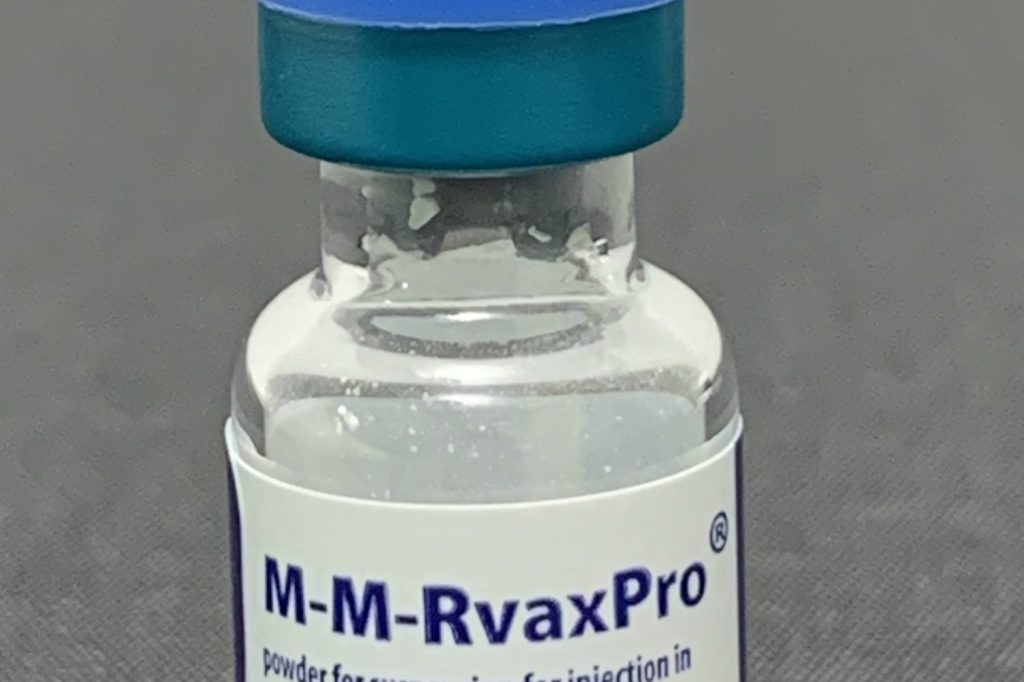
London, October 5 A recent study involving 2.5 million children has found no link between the MMR vaccine and autism. The research, published in a peer-reviewed medical journal, analyzed data from multiple countries over a 15-year period and concluded that there is no increased risk of autism among children who received the MMR vaccine compared to those who did not. The study was conducted by a team of researchers from several leading medical institutions, including the University of London and the National Institutes of Health.
The research team examined health records and vaccination data from across Europe, North America, and parts of Asia, ensuring a broad and diverse sample population. The study’s results are particularly significant in light of past controversies surrounding the MMR vaccine, most notably the now-discredited 1998 paper by Dr. Andrew Wakefield, which falsely claimed a link between the vaccine and autism.
That paper was later retracted due to serious ethical violations and scientific inaccuracies. The current study utilized advanced statistical methods to control for a wide range of variables, including genetic predispositions, socioeconomic factors, and environmental influences. The researchers emphasized that the findings support the continued use of the MMR vaccine as a critical tool in preventing infectious diseases.
Public health officials and medical professionals have welcomed the results, stating that the study provides further clarity on the safety of the MMR vaccine and should help dispel lingering concerns among parents and healthcare providers. The study also highlights the importance of relying on scientific evidence when making decisions about vaccination.
The research was funded by a combination of public health agencies and private foundations, with no conflicts of interest reported by the authors. The study’s publication comes at a time when vaccine hesitancy remains a significant challenge in many parts of the world, with misinformation often leading to lower vaccination rates and increased risk of disease outbreaks. Consult your doctor for medical advice.




