A new guide from PC Tech Magazine details the labor-intensive reality of cob construction, breaking down the budget, permitting challenges, and maintenance needs for homeowners pursuing natural building methods.
Materials and Method
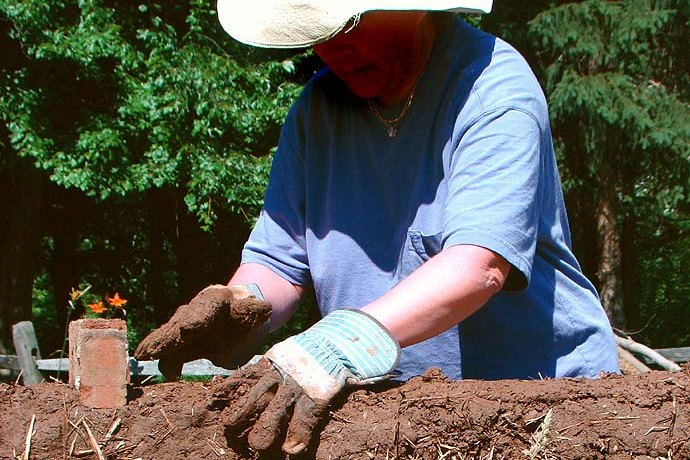
Cob is a natural building material composed of subsoil, water, fibrous organic material like straw, and sometimes lime. The construction method relies on a mixture of clay-rich soil, sand, and straw combined to create thick, workable walls shaped by hand. Builders add the mixture in manageable layers, allowing each section to partially dry before adding more. This technique creates walls that are usually thick, helping regulate indoor temperatures, and allows for artistic forms such as rounded corners and curved walls. Modern builders can combine this traditional method with contemporary plumbing and electrical systems.
Cost and Labor
The primary trade-off in cob construction sits between material expenses and human effort. The ingredients—subsoil, sand, straw, and water—are low-cost and often sourced locally, but the construction method is very labour intensive. The process demands considerable practical knowledge and patience, as structurally sound walls require careful soil testing and proportion adjustments before building begins.
Regulatory Reality
Navigating building codes presents a distinct hurdle. In technical documents like the Uniform Building Code of the western United States, cob is classified as “unburned clay masonry” when used in a structural context. This classification dictates how permitting authorities evaluate the method, often requiring builders to meet standards designed for conventional materials or navigate alternative compliance pathways.
Climate and Maintenance
Cob structures demonstrate resilience across varied environments. The material is fireproof, termite proof, and resistant to seismic activity. Cob structures can be found in a variety of climates across the globe, with the use of cob in Iran dating back more than 4000 years. European examples in Brittany have survived over 500 years and remain inhabited. However, the guide emphasizes that site selection is critical; land must have good drainage and should not be regularly exposed to flooding to protect the earthen walls from moisture damage.
Sources
- Building a Cob House: A Complete Guide to Natural Construction, Costs, Benefits, and Home Improvement – PC Tech Magazine
- Cob (material)
- Remembrance Concert Raises Over £1,600 for ALABARÉ Gloucester Homes for Veterans – Cobseo
- Needing a mantra before leaving the house | Harry Paidas
- Small And Simple Affordable Homes
Photo: Fountains of Bryn Mawr at en.wikipedia (CC BY-SA 3.0)